
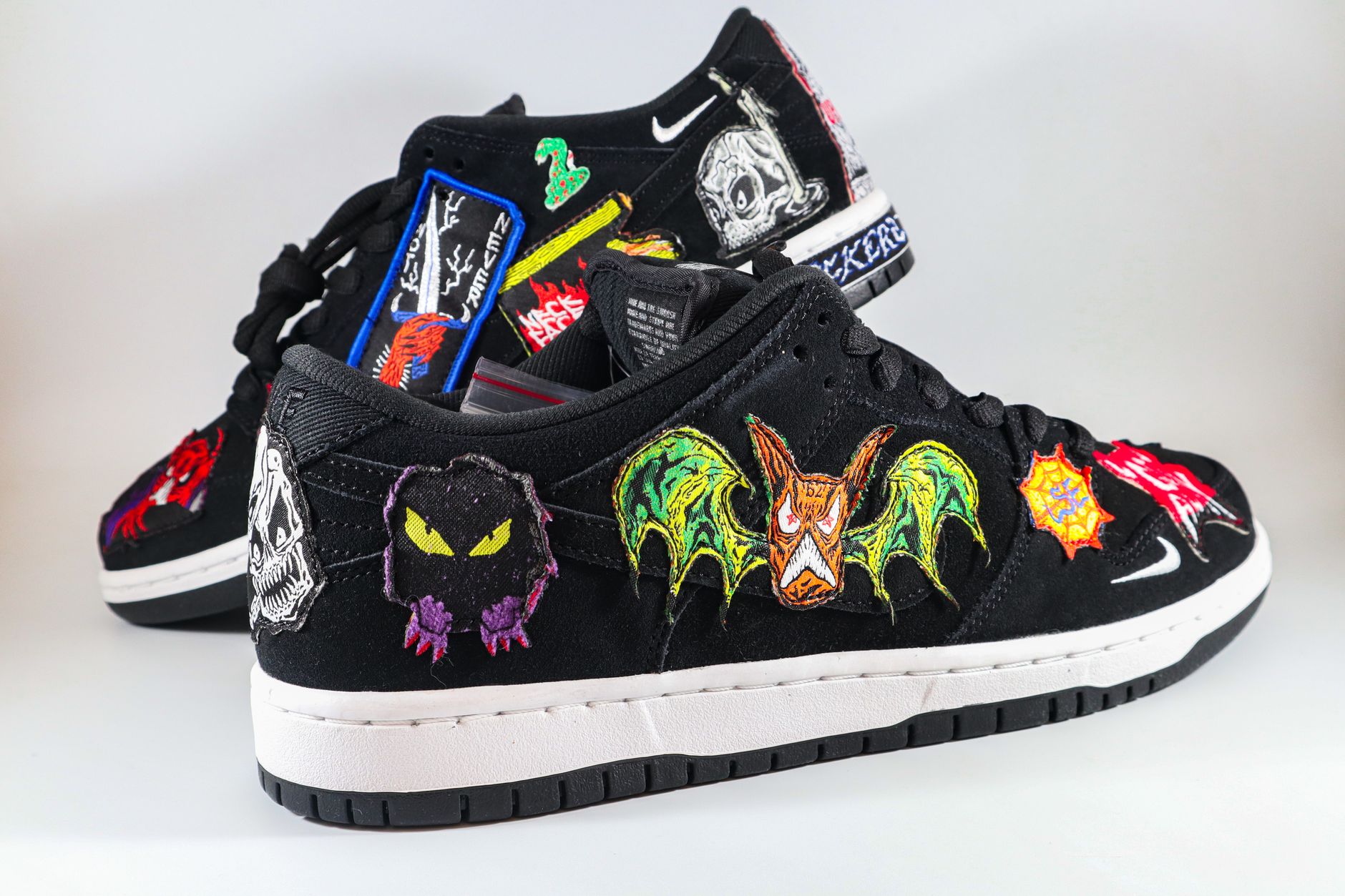
A patch is a small piece of fabric. But sewn or ironed onto the right jacket, it changes how the whole outfit reads. This isn't a trend piece. It's a breakdown of how patches actually work as a design tool, and why they've become a serious part of the apparel industry.
Table of Contents
Why Patches Work as a Styling Tool
Clothing communicates before a single word is spoken. A blank denim jacket says nothing. Add one patch and it says something specific. Patches let you control that message without buying new clothes.
The mechanism is simple. Patches add contrast in texture, color, or shine to a surface that's otherwise flat. Human eyes are drawn to contrast. That's why a single patch on a plain garment pulls focus immediately.
This is also why the decorated apparel market keeps growing. According to Grand View Research, the global decorated apparel market was valued at USD 28.98 billion in 2023 and is projected to reach USD 68.17 billion by 2030, growing at a CAGR of 13.0 percent. Patches, embroidery, and other embellishments are a core part of that growth. People aren't just buying more clothes. They're customizing the clothes they already own.
For anyone who wants shine without heavy embroidery, custom sequin patches are worth a look. Sequin patches catch light differently than thread does, which makes them useful for outfits that need to stand out under stage lighting, photography, or evening settings.
The Technical Side of Patch Construction
Not all patches are built the same way. The construction method changes how the patch looks, feels, and holds up over time.
Here's a breakdown of the main types:
- Embroidered patches. Made with thread stitched onto a base fabric. Durable and textured. Best for logos, text, and traditional designs.
- Woven patches. Thinner thread, tighter weave. Good for fine detail that embroidery can't replicate.
- Sequin patches. Sequins are stitched onto a backing in overlapping rows, often with a flip or reversible finish. High visual impact, especially under light.
- PVC patches. Molded rubber, waterproof, holds sharp edges. Common on outdoor gear and tactical wear.
- Chenille patches. Thick, raised yarn. Common on varsity jackets. Reads as bold from a distance.
Backing matters as much as the front. Iron-on backing uses heat-activated adhesive. It's fast but not permanent on fabrics that can't handle heat, like leather or technical outerwear. Sew-on backing takes longer to apply but holds through washing and wear. Velcro backing lets you swap patches out, which is common in tactical and uniform applications.
Placement Changes the Effect
Where a patch goes matters as much as what it looks like.
A patch on the chest reads as a badge or emblem. It draws attention early, since it's near eye level. A patch on the sleeve or shoulder reads as more casual, closer to streetwear. A patch on the back of a jacket becomes the main visual statement of the entire garment. Large back patches work well on denim and leather because the surface area supports bigger, more detailed designs.
Size should scale with the garment. A patch that's too small on a large jacket disappears. A patch that's too large on a fitted shirt overwhelms it. As a rule, keep chest patches under 4 inches wide and let back patches run larger, up to 10 or 12 inches depending on the jacket.
Fabric Compatibility Matters More Than People Think
Not every patch works on every fabric. Iron-on adhesive doesn't bond well to nylon, waterproof coatings, or stretch fabrics like spandex. Heat can also warp synthetic blends. For these materials, sew-on application is safer.
Denim, canvas, twill, and cotton take patches well, with either method. Leather requires sewing or specialized adhesive, since standard iron-on heat can damage the material.
A Practical Way to Start
Pick one garment you already wear often. Choose a patch style that matches the fabric and the level of durability you need. Decide on placement before you commit to application, since removal can leave marks or holes depending on the method.
A single, well-placed patch does more for an outfit than most people expect. It's a low-cost way to make something old feel intentional again.