
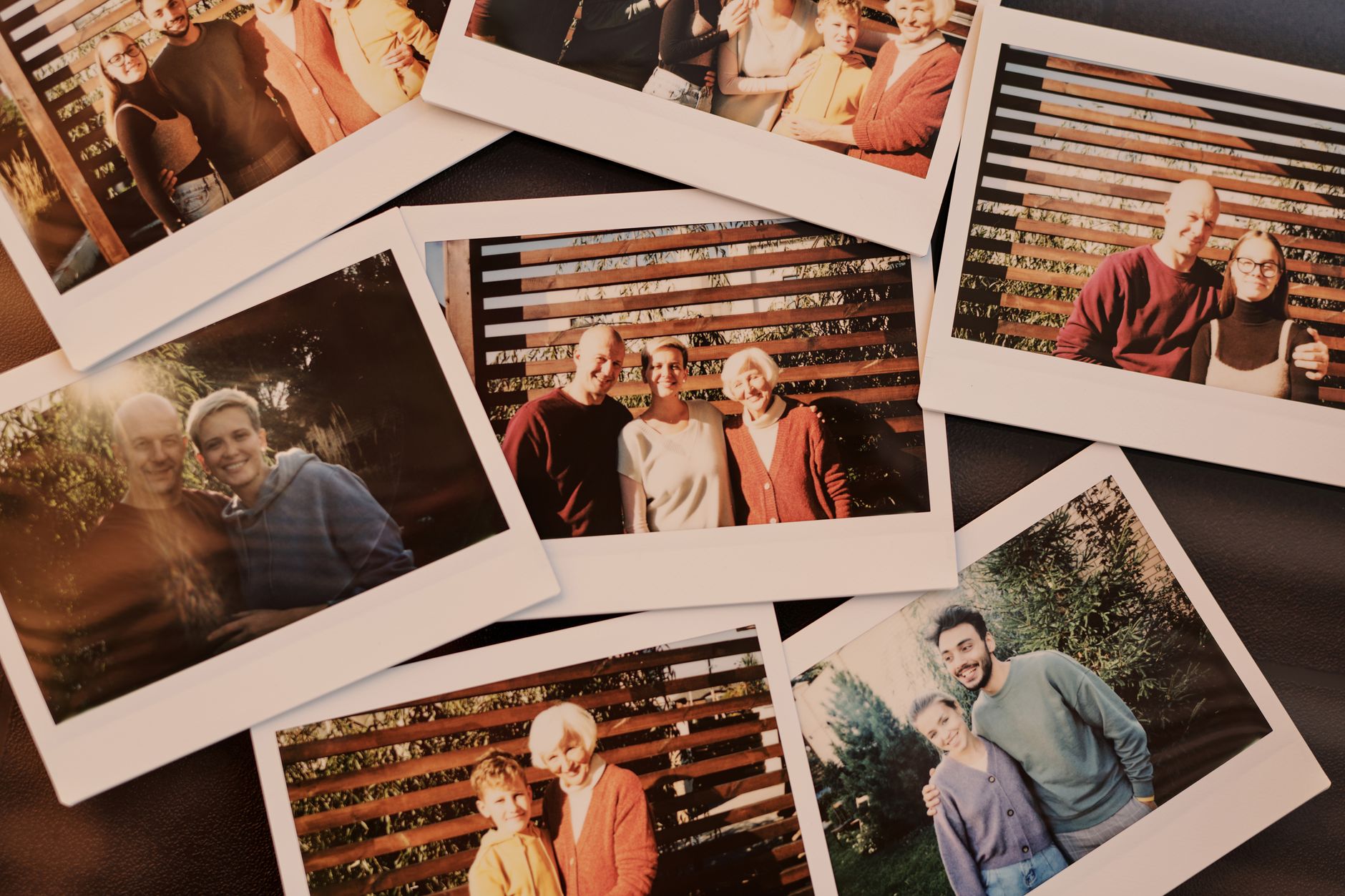
You look in the mirror, you like what you see, and then someone holds up a phone and the smile that comes back on screen belongs to a stranger. It happens in about nine out of ten group shots, and it almost never has anything to do with your teeth. I have a folder of photos where I look genuinely unhinged, and I have a theory about why that's true for most people.
Your smile is fine. Your camera habits are the problem. Shadows, angles, and the half second before the shutter clicks do more damage to a photo than any real feature on your face. Fix those and you'll see a difference in the next round of pictures you take. If you've ruled all that out and you still want to change how your teeth look on camera, a professional who understands how a smile actually reads at three feet away matters, which is why so many people in central Jersey start with a cosmetic dentist in edison for a brighter smile rather than a filter. But before you book anything, run the diagnostics below.
The short version: careful light, the right angle, and one specific pre-shutter habit will change most photos on their own. The longer version is the rest of this piece.
Table of Contents
Your teeth aren't the problem, your light is
Overhead light is a smile killer. A ceiling fixture or a midday sun directly above your head throws a hard shadow under your nose and across the top half of your teeth, and it flattens every bit of warmth in the shot. Stand in a doorway with soft light coming from the side and take the same photo. I've tested this on the same face, same day, same phone, and the second version looks like a different person. The difference wasn't cosmetic. It was physics.
The fix is boringly simple. Turn your face about forty five degrees toward a window during daylight, then twist back toward the lens. You keep the soft light across your cheek and you avoid the flat nose-shadow look. If you're shooting at night, put one lamp at eye level, not above you, and kill every other light in the room. That single change does more than any camera setting you can fiddle with.
Why flash makes it worse
A direct on-phone flash fires light straight into your face and bounces off the enamel, which is the shiny outer layer of your teeth. That creates a bright hotspot and blows out the detail, so you get a white blob where a smile should be. Turn the flash off and raise the ambient light instead. Your phone will meter fine on its own. I'd rather have a slightly grainy photo with soft light than a crisp one where my teeth glow like a headlight.
The camera angle most people get wrong
Holding the phone at chest height, pointing slightly up at your face. That's the one. It tilts the perspective so the bottom of your smile, the part closest to the lens, looks bigger and the upper teeth get lost. It also puts your chin in a weird spot. Your phone should sit at eye level or just above, angled very slightly down toward you.
Look at the lens, not the screen. On a phone, the lens and the screen sit in different places, so if you stare at your own face in the preview you end up staring at the camera, and your eyes go flat. Try it. Frame yourself looking at the little dot, not your own reflection, and the whole face livens up because your eyes have somewhere to focus.
The angle also affects how much of your teeth you show. A straight-on eye-level shot shows the whole mouth evenly. A high angle shows the front teeth, which flatters almost everyone. A low angle hides the smile entirely behind the upper lip. Pick your angle before you pick your expression. That's the order that actually works.
Your smile timing is backwards
Most people try to hold a smile for the photo. That's why it looks fake. A held smile starts stiff, tightens in the jaw, and the eyes freeze. The shutter always catches the frozen part. What works instead is a three second routine I call the Smile Rehearsal Three: look away, look back, smile on the count of two. The first second resets your face. The second second puts your eyes back on the lens. The third second catches a genuinely new smile, which is the only kind that looks real.
Try it once and you'll see. The version taken in the first instant of a fresh smile always beats the version where you've been holding it for four seconds. I've started doing this in every photo I take and it's the single habit I would pass to anyone. It costs three seconds and it fixes the stiff-jaw look that plagues most portraits.
The lip line question
Do you show teeth, keep it closed, or do that awkward half thing? Pick one and commit. A closed smile is fine. A full smile is fine. The uncomfortable middle is where most photos go wrong, because the pose reads as hesitant even if you don't feel that way. If you want more tooth showing, tilt your chin down slightly and open the lips with your jaw relaxed, not pushed forward. You'll feel it working before you see it.
What Photoshop can and can't fix
Almost everyone edits their photos now. That's legal and normal, and I have no issue with a light color adjustment. Light editing can fix exposure, warm up the white balance, and smooth out a couple of shadows. It cannot fix a bad angle, a flat expression, or a genuine tooth shape you're unhappy with. There's a hard limit to what a filter can do, and that limit is usually where people start thinking about professional options.
The same caution applies to using photos or brands you didn't create. If you build an editing style that borrows from a creator, the rules around fair use are set down by the U.S. Copyright Office, and it's worth a two minute read before you repost anyone else's work. Not the most exciting part of photography, but the honest one.
A pre-photo checklist you can actually use
- Find your light. Side window or eye-level lamp. No overheads, no direct flash.
- Set your phone at eye level or just above, angled very slightly down.
- Look at the lens, not your own face on screen.
- Run the three second reset before every shot and smile on the count of two.
- Commit to one smile. Open or closed, not in between.
Run this list twice in different conditions and you'll feel the difference in your own face before you see the photo. That's the tell that something changed. The best portraits are made in the ten seconds before the shutter fires, not the ten minutes after.
When the photo isn't the problem
Here's where I'll be direct. If you run the checklist, you stand in good light, you angle the phone right, and you still hate what you see, then you're not fighting a camera. You're looking at a feature you actually want to change. That's a different conversation, and it isn't a failing. Teeth that are chipped, uneven, or stained from years of coffee don't become photogenic with better lighting. Lighting only flatters what's already there.
What you're really after is a smile that looks the same in a photo as it does when you feel good about it. Some of that is technique, and some of it is a decision only you can make about your own teeth. If you want to know what a professional sees when they look at your smile on camera, ask. That's what they're for. And the next time someone points a phone at you, you'll have a three second trick that works on its own, whatever you decide.
It's worth checking the science behind why we smile, too. The National Institutes of Health has spent decades documenting how facial expression works, and the more you understand it, the less mysterious the whole thing becomes.