
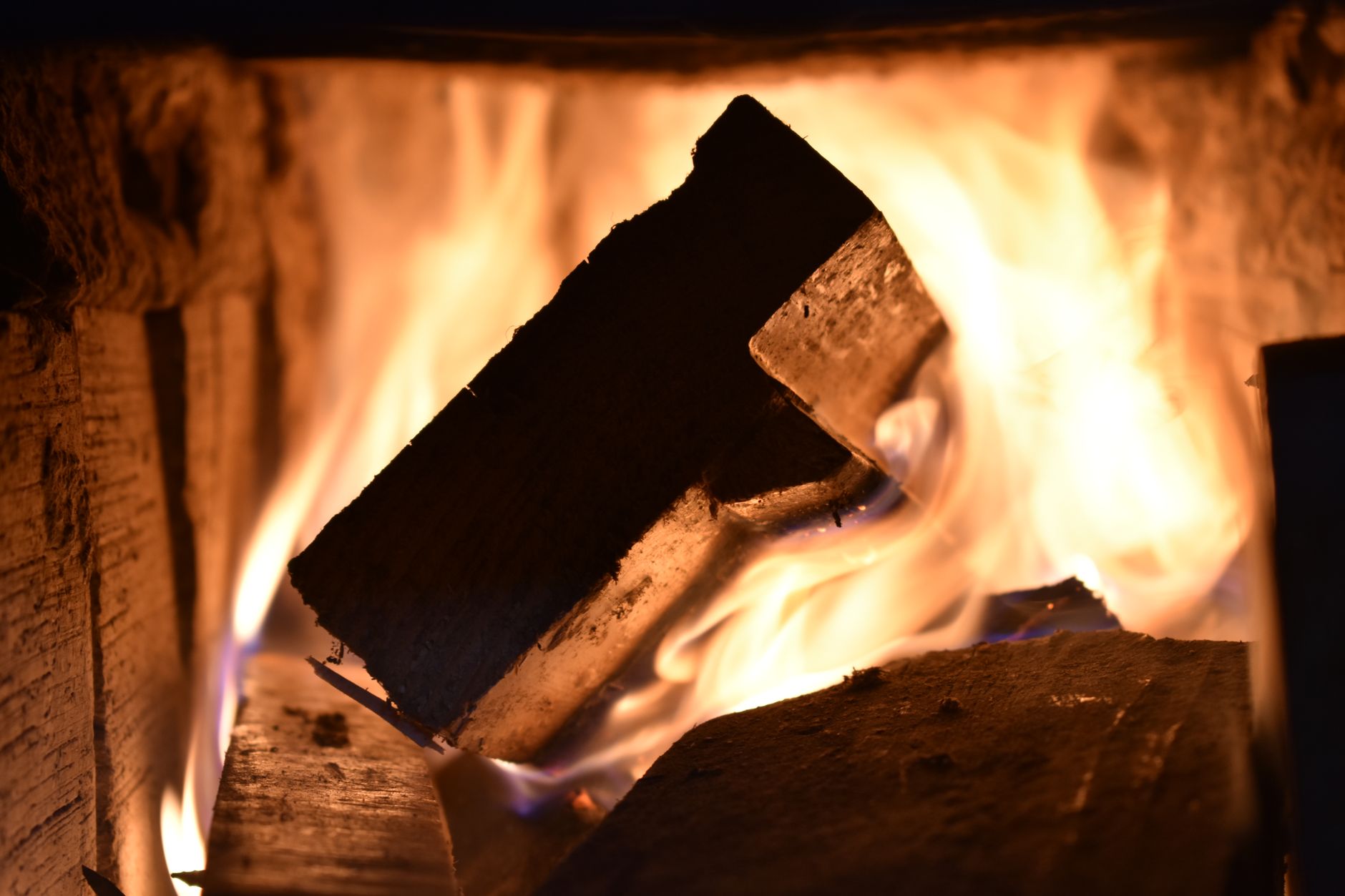
Furnace season in Picture Rocks lasts about six weeks, and most people spend the first two of them arguing with a thermostat. That's the dirty secret of desert heating. Your system sat idle since March, the temperature dropped to the forties overnight, and the thing you ignored all summer now needs to perform on command.
I've watched this cycle repeat in homes off Sanders Road and up toward Avra Valley, where the night air bites harder than the valley floor does. Folks buy property for the quiet and the dark skies, then discover their heating setup was never really debugged. When a burner refuses to catch in December, you want furnace repair Picture Rocks handled by someone who already understands how this climate treats equipment, not a crew learning the terrain on your dime.
Here's the part that surprises transplants: desert furnaces fail for opposite reasons than furnaces back east. Cold kills the East Coast unit. Dust kills yours.
Why an unused furnace is a fragile furnace
Think about what happens during the cooling season. Every air handler move, every filter cycle, every gust off the open desert pushes fine grit through the same ductwork that feeds your heater. It settles. It coats the heat exchanger, the blower wheel, the pilot assembly. Eight months of quiet accumulation, then one cold night, and the ignition sequence chokes on material that wasn't there in spring.
Seals dry out too. Gaskets that stayed flexible in a milder climate turn brittle after a long stretch of triple digit heat followed by a sudden swing. A cracked seal can trip a safety switch before you ever smell trouble, which is actually the furnace being polite. I'd rather a system refuse to fire than quietly push combustion byproducts into a hallway.
Rodents like it as well. Field mice around Picture Rocks treat a furnace cabinet like a condo, chewing insulation and nesting near the flame sensor. A nest near a burner is a genuine fire risk, so this isn't a funny anecdote about desert wildlife.
Do you actually need a tune up every fall?
Yes, but not for the reasons salespeople give you. Note that the Department of Energy treats routine heating maintenance as a baseline efficiency practice, not a luxury add on. A dirty filter or a misadjusted burner wastes fuel that a clean, calibrated system would put to work in the room instead of the flue.
Here's my stance, and it's firmer than a lot of techs will admit: in this climate, a pre-winter inspection beats any midseason emergency call by a wide margin. It's cheaper, it's scheduled at your convenience, and it catches the dust fouling and pest intruders while they're still small problems. Nobody wants to haggle over pricing at ten at night with a space heater humming in the bedroom.
The Picture Rocks winter checklist
Run this in October, when the evenings turn but before the first real cold snap. Fifteen minutes of prep saves you a very long night.
- Swap the furnace filter. This is the single highest return action on the list and the one homeowners skip most.
- Clear the area around the unit. Boxes, paint cans, and holiday decorations stacked against a furnace cabinet restrict airflow and shortcut your savings.
- Walk the visible ductwork and look for separated joints, torn flex, or a duct swinging loose from its strap. The Environmental Protection Agency ties indoor air quality to how well your ducts contain and deliver what the system produces, so a leaky run costs you twice.
- Switch the thermostat to heat and cycle it once. Confirm the fan runs, the burner lights, and warm air reaches the farthest room. That last room is your real test, not the hallway vent.
- Smell and listen. A metallic tang, clicking measured in seconds, or a greenish glow signals combustion trouble. Kill the system and call a professional.
- Note any odd noise in writing. A description like "rattle for ten seconds at startup, then a click" saves the technician a lot of guessing and you a lot of diagnostic time.
If any of that goes wrong, resist the urge to troubleshoot the gas side yourself. Opening a furnace cabinet to poke around without knowing the flame sequence exposes you to risks better left to someone covered by recognized safety standards for inspecting combustion systems.
When a repair beats a replacement
I'll commit to a position here because too many sales situations get muddy. If your system is under a dozen years old, has a documented service history, and the failure traces to one component, repair it. Heat exchangers, igniters, blower motors, flame sensors, these are parts, not verdicts. A clean replacement of a single failed part often buys another several seasons of comfortable winters.
Replacement starts to make sense when the repair bills stack up, safety items appear, or efficiency losses flatten performance across the whole house. That's a judgment call, and a technician who inspects the equipment and explains the tradeoffs deserves more trust than one who opens with a price sheet before touching the furnace.
|
What you're seeing |
What it usually means |
Your move |
|
Short cycle, lukewarm air |
Clogged filter or dirty blower |
Replace filter, call for service |
|
Burner lights then cuts out |
Flame sensor fouled by dust |
Professional cleaning |
|
Cold air at the far rooms only |
Duct leaks or blocked run |
Duct inspection |
|
Metallic smell or odd glow |
Possible combustion problem |
Shut off and call immediately |
The scenario you don't want to live through
A family moves into a house off the Saguaro National Park side in June. No heating check before signing. October arrives, the furnace fires once for about forty seconds, then dead. They call at dusk on a Friday. The tech finds a nursery inside the cabinet and a blown flame sensor. Two hundred dollars and one afternoon of scheduled diligence in the fall becomes an emergency call, a holiday weekend of borrowed space heaters, and a cold Sunday.
That's the whole argument. The problem wasn't the furnace. It was the calendar.
Get ahead of the cold
Desert living rewards people who treat heating as a fall chore, not a winter crisis. Run the checklist, book the inspection, and keep a written log of anything strange so your technician walks into your home already knowing what they're up against.
Picture Rocks is a hard place to run equipment in, and that's part of why we love it here. So book that fall tune up now, before the first cold front catches your furnace half asleep. What's the oldest thing sitting in your utility closet that's never been serviced?