
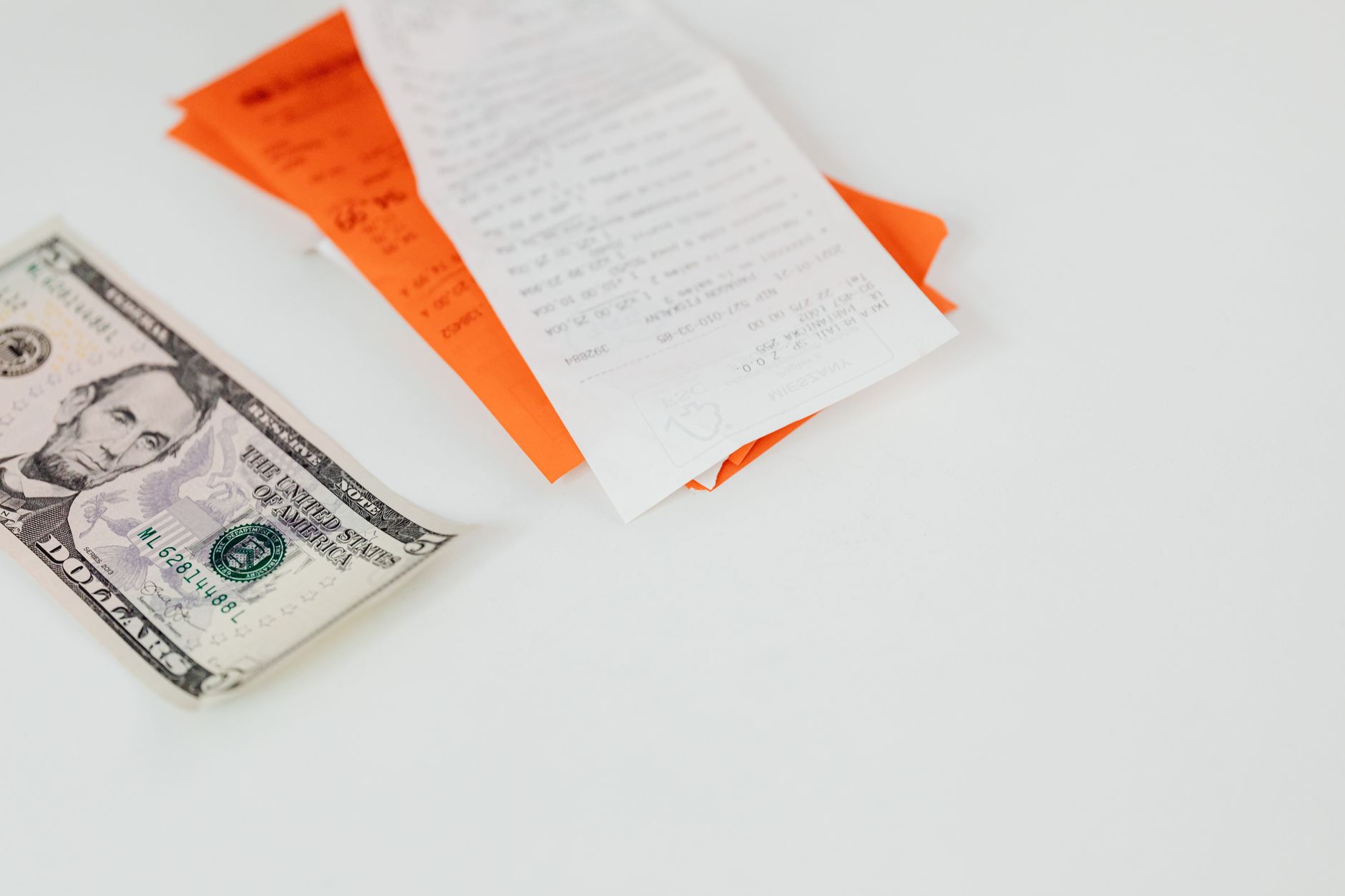
My neighbor once paid for eleven months of a leak she couldn't see. It lived in the pipe behind her kitchen wall, quietly dribbling into her crawlspace until a floorboard finally felt soft under her sock. Her water bill had been telling the story the whole time. She just never read the last page.
Your water bill is the cheapest diagnostic tool in your house. It doesn't need batteries, it doesn't need a subscription, and it's already sitting in your inbox or a drawer. Learning to read it takes maybe ten minutes the first time, and it can flag a hidden leak weeks before you'd notice a stain. If the numbers point to something serious, like water pooling where it shouldn't, that's when people reach for emergency plumbing services in Milford and let a pro trace the source. For everything before that point, you can do the detective work yourself.
What the meter is actually telling you
Start with the cheapest, most decisive test in the house. Shut off every faucet, the dishwasher, the washing machine, and the ice maker. Then go find your water meter and watch the small dial or the leak indicator for a full minute. If that dial moves, water is running somewhere you can't see it, and that's your answer. You don't need to guess anymore.
I'd argue the leak indicator is the single most underused feature in residential plumbing. People walk past that dial for years. It costs nothing to check and it settles the question instantly.
If the dial spins when everything's off, you've just skipped straight past suspicion to proof. Now the only question left is where. That's where your bill history comes in, so keep it handy.
The three-month pattern that exposes a hidden leak
Pull the last twelve months of bills if you can find them. Most utilities keep at least a year online. Then compare the same months across the past two or three years. This matters because usage swings hard with the seasons, and comparing January to July tells you nothing useful.
What you're hunting for is a stubborn floor. If your usage used to dip to a low point every spring and fall, and now it never gets below that old low, something is running continuously. A leak doesn't care what season it is. A family changing its habits still shows seasonal dips. A leaking pipe doesn't.
Use your water utility's annual notice for the baseline if you want context on typical household consumption. According to the Environmental Protection Agency, the average American family uses more than 300 gallons of water a day at home. That's a broad figure, so treat it as a rough anchor, not a target. If your numbers sit far above that year round with no pool to explain it, start hunting.
How much water different leaks silently waste
This is where the numbers get a little unsettling. A fixture dripping once per second looks trivial. Over a month, it isn't.
|
Leak type |
What it looks like |
What it costs you quietly |
|
Toilet flapper |
No puddle, faint hiss when the house is silent |
A near constant trickle that never stops |
|
Dripping faucet |
One drop per second at the spout |
Thousands of gallons over a season |
|
Underground service line |
Soft patch of yard, greener grass in a line |
Water disappearing before it reaches the house |
|
Crawlspace pipe |
Nothing visible for months, then a musty smell |
The most expensive version of "I'll check it later" |
Notice the pattern. The most expensive leaks are the ones that look like nothing. I'd rank the toilet flapper at the top of the sneaky list, and it's also the easiest fix in the house. A dye tablet or a few drops of food coloring in the tank tells you in fifteen minutes whether water is sneaking past the flapper. If the bowl water changes color without a flush, you found it.
The walkthrough you can do in ten minutes
Make this a habit every season, or at least when the bill climbs. Here's the order I'd run it in:
- Check the meter. Everything off, watch the indicator dial for a minute.
- Drop dye in every toilet tank. Wait fifteen minutes, don't flush, check the bowl.
- Look under every sink. Run a flashlight along the cabinet floor and the shutoff valves.
- Walk the yard. Scan for a strip of green grass that outshines its neighbors, or a soft spot near the meter.
- Compare this month to last year's same month. Not last month. Last year.
Write down what you find. A dated note on your phone is enough. When a plumber asks where the water might be going, that record saves both of you an hour and a lot of guessing.
Your local government's housing resources can also point you toward owner maintenance guidance, especially for older housing stock. The Department of Housing and Urban Development keeps homeowner resources worth knowing about, and if your home predates the 1980s, older supply lines are simply more likely to be at the end of their useful life.
When the bill says hire someone
Some signs mean the detective work has done its job and it's time to stop. If your meter spins with everything off and the dye test was clean, the leak is inside a wall or under the slab. That's not a weekend project. If you see standing water, hear water running behind drywall, or notice a musty smell in the crawlspace, stop poking at it and call.
The Census Bureau tracks the age of the American housing stock, and a sizable share of homes are several decades old, which explains why older neighborhoods turn up more hidden supply line failures than newer subdivisions. Age alone doesn't condemn a pipe. It just raises the odds you'll be the one who finds it.
What you take away from one page of numbers
The bill you almost threw away is a monthly readout of everything happening behind your walls. A minute at the meter plus a year of history gives you two things no app can sell you: proof of a leak and a sense of when it started. That's enough to make a smart call about whether to wait, watch, or pick up the phone.
So here's a small dare. Go check the meter right now with the house quiet. If the dial moves, you'll know something the rest of the neighborhood doesn't. If it doesn't, you just bought yourself a stretch of peace of mind. Either way, you're ahead.