
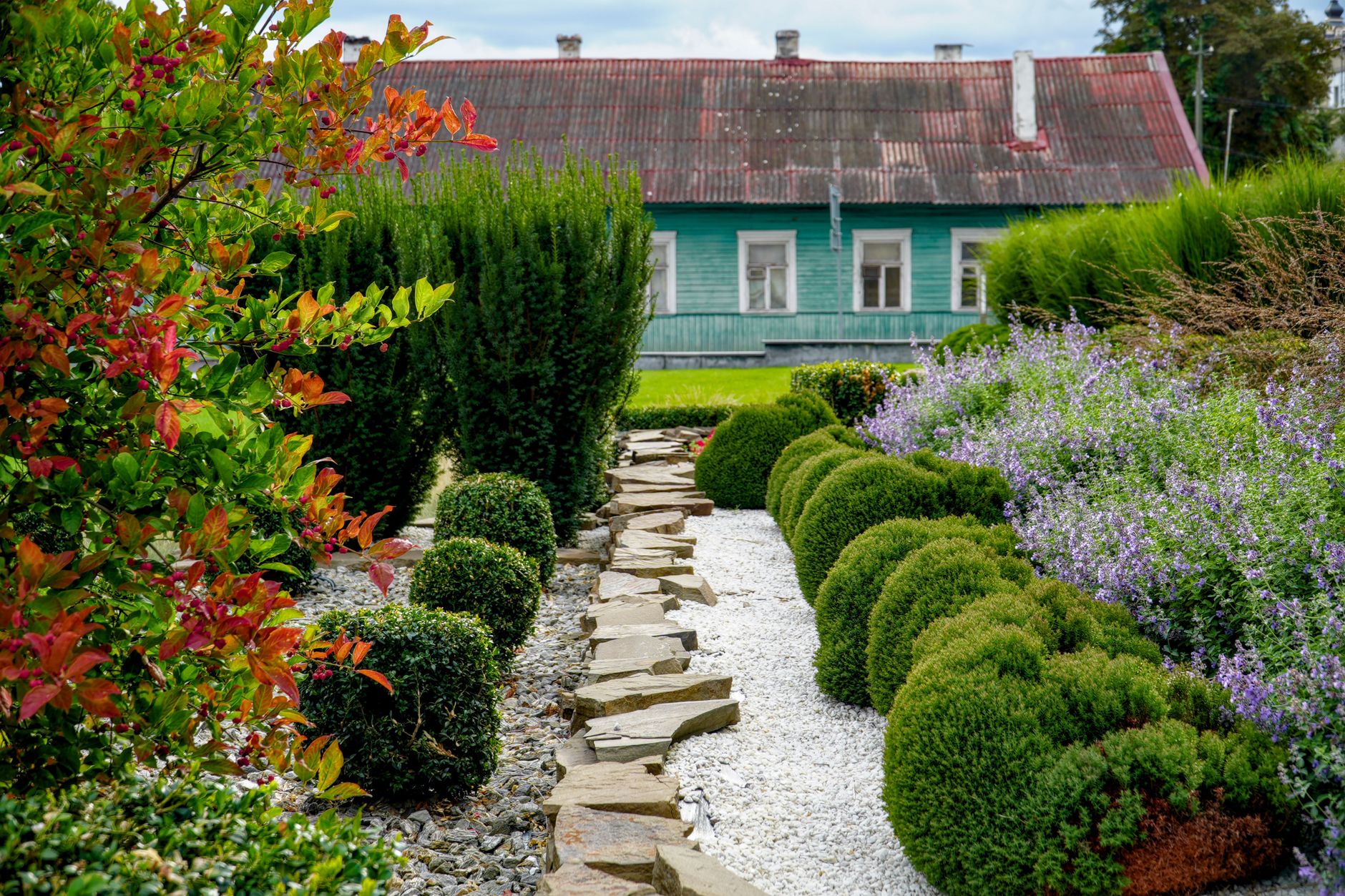
A lush garden and a stylish outdoor living space are the pride of many homeowners across Australia. Enhancing your backyard offers a wonderful way to enjoy the outdoors, entertain guests, and increase property value. However, the choices you make above ground can have devastating, unseen consequences for the infrastructure buried below. Many popular landscaping projects quietly destroy underground plumbing, turning a backyard renovation into a costly utility nightmare. Understanding the hidden relationship between your garden and your property's plumbing system is the first step toward safeguarding your home.
The Silent Threat of Root Intrusion
The most common enemy of underground plumbing is not shifting soil or old age, but nature itself. According to regional water authorities, tree root intrusion is the undisputed leading cause of blocked drains, accounting for over 70% of all major sewer blockages. Roots rarely break perfectly intact pipes on their own. Instead, they hunt for moisture vapour leaking from loose joints or micro-cracks in older terracotta plumbing. Once they enter as tiny, hair-like threads, they quickly expand into dense mats that can crush the pipe from the inside out.
Hotter Australian summers and unpredictable drought patterns are forcing residential trees to extend their roots much deeper and wider to survive. This makes aging suburban drainage infrastructure increasingly vulnerable to invasion. If you notice gurgling sounds or slow drains, particularly during the peak risk months of autumn and winter, it is highly recommended to call professional blocked drain plumbers to inspect the line. Catching a root invasion early can save you from a complete pipe collapse and a massive excavation bill.
High-Risk Trees to Keep Away from Utilities
A mature tree's underground root network typically extends two to three times the diameter of its above-ground canopy. This means a 15-metre tree can spread water-seeking roots up to 45 metres across a residential block. To mitigate the risk of severe pipe damage, official municipal guidelines strongly advise homeowners to keep all tree plantings at least 5 to 6 metres away from underground wastewater lines. Before planting, always consult local council guidelines to ensure your chosen species is safe for residential areas.
When planning your garden layout, it is essential to avoid planting species known for aggressive, pipe-seeking root systems. A localised five-year study analysing hundreds of drain blockages found that just a few specific tree types are responsible for nearly 40% of all root-related plumbing damage. Homeowners should think twice before planting the following high-risk species near sewer lines:
- Fig Trees (Ficus): Rated as an extreme risk, their highly aggressive roots are known to travel dozens of metres to breach sewer lines.
- Weeping Willows: Famous for their water-seeking tendencies, willow roots will quickly invade any leaking pipe they can find.
- Camphor Laurels and Liquidambars: Both feature expansive, dense root systems that easily crush compromised terracotta plumbing.
- Large Eucalypts: While iconic, their extensive subterranean networks can cause significant structural damage to surrounding utilities.
The Crushing Weight of Surface Hardscaping
Roots are not the only threat to your plumbing. The sheer physical weight of new landscaping materials can slowly crush the pipes underneath. A single cubic metre of moist garden topsoil can weigh between 1,200 and 1,600 kilograms, adding immense, unseen downward pressure on buried lines. Hardscaping materials like crushed rock, pavers, and road base average over 1.5 tonnes per cubic metre, heavily accelerating subsoil compaction over time.
Many property owners love the idea of upgrading their exteriors with modern yard design styles to boost curb appeal, such as heavy geometric planting beds and expansive paved outdoor living spaces. While these additions look fantastic, it is crucial to ensure they do not permanently compress the soil above aging sewer lines. Adding literal tonnes of material directly over old pipes is a recipe for structural disaster.
The construction process itself is equally dangerous for your property's hidden infrastructure. According to research from the UF/IFAS Extension, the heavy equipment used to install new landscaping can severely compress urban soils more than a foot below the surface, altering natural drainage and putting intense pressure on buried utilities. This compacted soil loses its pore space, making future pipe repairs incredibly difficult and restricting healthy water movement in your garden.
Smart Planning for a Beautiful, Safe Yard
Before breaking ground on a major yard renovation, always map out your underground utilities. You can often request plans from your local water authority or hire a specialist to locate the pipes using ground-penetrating radar. Thoughtful planting distances and careful material placement will ensure your beautiful new landscape does not compromise the vital plumbing systems running right beneath your feet. Protecting your pipes now ensures you can simply relax and enjoy your garden for years to come.