
Nine months. That was the number I kept hearing from friends who finally got their teeth straightened in their thirties, and it was also the number that made me stop putting it off. What I didn't expect was how much the bracket choice would shape those nine months. Not the orthodontist's skill, not the price tag, the actual hardware on your teeth changes how you talk in meetings, how you eat lunch, and whether you dread the mirror some days.
Here's the good news. You have real options now, and none of them require guessing. Around South Surrey and White Rock, people weighing ceramic against metal brackets often start by looking at what clear braces in south surrey at Dream Orthodontics actually involve, because seeing the material up close answers more than any brochure. But that's one piece. The bigger question is which setup fits the life you're already living.
Table of Contents
What Are You Actually Choosing Between?
Most adults don't realize they're deciding on three separate things at once: the bracket material, the wire system, and the person doing the work.
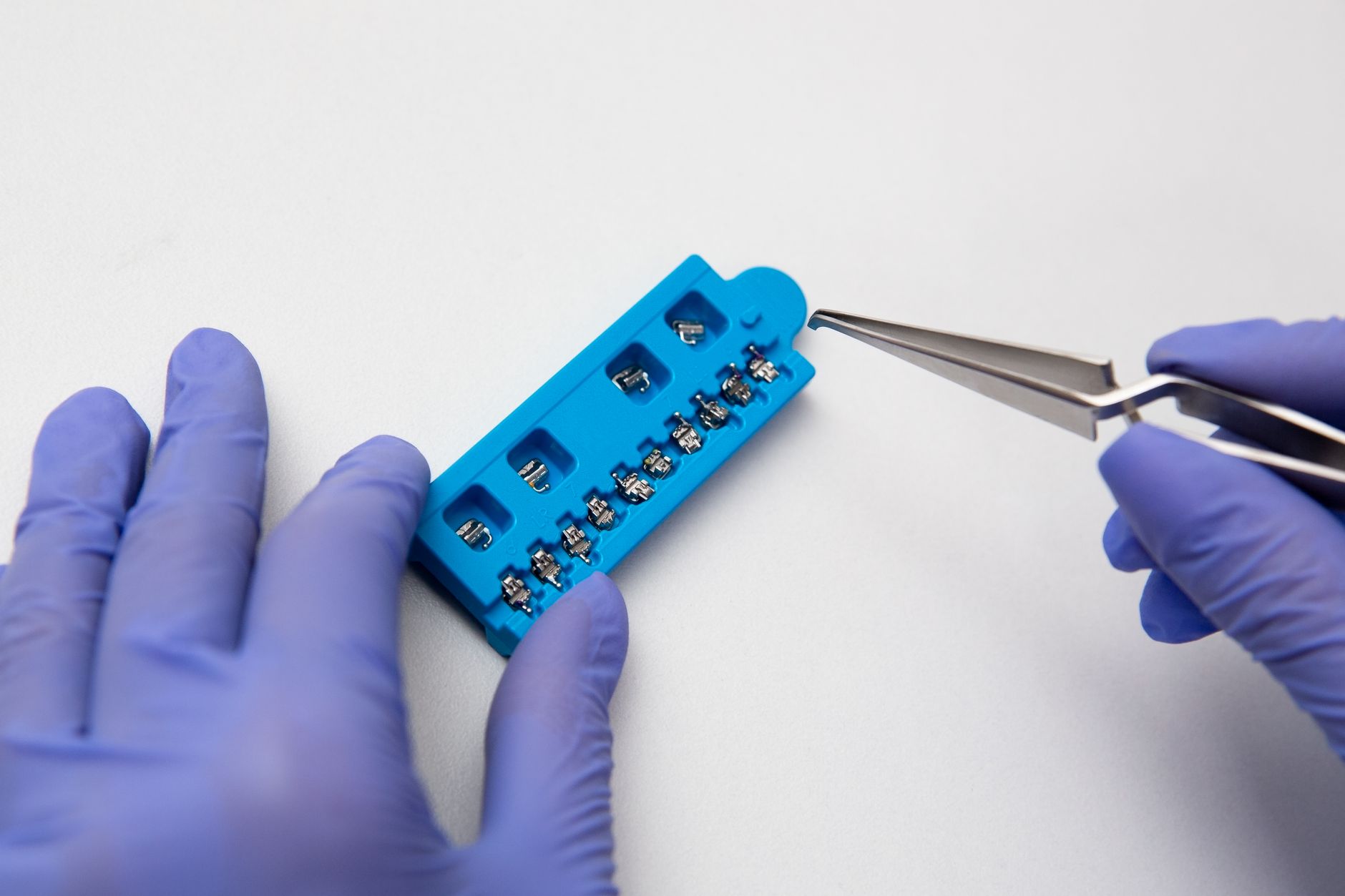
Metal brackets come in two flavors, traditional brackets tied with elastic ligatures and self-ligating brackets with a built-in clip. Ceramic brackets use tooth-colored polycrystalline material, which blends in far better than metal, though the wire running through them is still visible. Clear aligner trays are a third path entirely, and they work best on cases that fit their limits.
My take: bracket material matters less than the plan behind it. A well-planned set of metal braces beats a rushed ceramic case every time. Pick the clinician first, the hardware second.
A Quick Framework for Deciding
I call this the Three Question Filter, and it cuts through most of the paralysis.
Question one: how often does your face need to be neutral? If you spend your days on video calls, in classrooms, or in front of clients, ceramic brackets buy you something real. If you work from home and see the same five people all week, metal saves you money you can spend elsewhere.
Question two: how patient are you with maintenance? Ceramic brackets need a little more care around staining. Coffee, red wine, turmeric, and dark sodas will tint the elastic ties that hold ceramic brackets in place, which is why many practices use self-ligating ceramic designs. Metal doesn't care about any of that.
Question three: what does your case actually require? Crowding, bite correction, and jaw alignment all push toward specific systems. According to the American Dental Association, orthodontists are the specialists trained to plan tooth movement, and a specialist's assessment of your bite should outrank any preference you brought in the door.
Rank your answers honestly and the choice usually makes itself.
Does Ceramic Cost More, and Is It Worth It?
Yes, ceramic brackets typically run higher than metal, partly because the material costs more and partly because ceramic brackets can be more fragile and need careful handling. Whether that premium is worth it depends entirely on the first question above.
If you're self-conscious, and plenty of adults are, the money buys confidence during a stretch of life you only get once. If you're not, put the savings toward retained care or a nice vacation. There's no virtue in spending more for a look nobody in your house will notice.
The Things Nobody Warns You About
Let me save you a few surprises, because these caught me off guard.
Ceramic brackets are slightly larger than metal ones on average. That's not a dealbreaker, but on small teeth or a crowded lower arch, they can feel bulkier for the first couple of weeks. Your lips adapt. Your tongue adapts. Honestly, your speech adapts faster than you'd think, usually within days.
Flossing takes longer no matter what material you pick. A water flosser helps, but it doesn't replace string floss, and anyone who tells you otherwise hasn't tried to clean around a bonded wire. Budget an extra three or four minutes each night.
Color choices matter more than you'd expect with metal brackets. Clear, light gray, and silver ligatures hide staining well. White looks great on day one and disappoints by week two.
If food jams into a bracket and you can't clear it, it can create real problems over time. The National Institutes of Health documents how oral bacteria feeds on trapped food residue, which is one more reason the boring nightly routine is the one that matters.
Questions Worth Asking Before You Commit
Walk into any consult with these ready and you'll leave with a clearer picture than most patients get.
- How many cases like mine have you finished in the last year?
- What's the plan if a bracket breaks, and how fast can I get in?
- Does the quote cover retainers, or is that a separate bill?
- Who handles after-hours emergencies, you or a partner practice?
- Can I see before-and-after photos of adult cases specifically?
One more, and this one matters: ask what happens if you move mid-treatment. Transfers are possible but bumpy, and a clear answer tells you the practice has thought about real life.
Reading the Fine Print on Cost Claims
Every practice advertises financing, and the terms vary wildly. Fixed monthly payments, in-house plans, and third-party lenders all exist, and reading the contract fully before you sign is not optional. The Federal Trade Commission publishes plain-language guidance on consumer credit agreements, and it's worth ten minutes before you put your name on anything.
Here's my opinion: a practice that hands you a written breakdown, without being asked, is usually a practice that runs a tight ship. Vague answers about money tend to predict vague answers about everything else.
What the First Two Weeks Feel Like
Mild soreness. Teeth that feel loose in a way that's normal and expected. A mouth that suddenly notices every bracket with your tongue. Soft food for a few days, then back to most things, minus hard pretzels and crusty bread.
By week two, most people forget the brackets are there until they catch themselves in a window. That's the honest timeline. The parts that bother you on day one rarely bother you on day twenty.
The Decision That Sticks
Choose the specialist who explains your case clearly. Choose material based on how much visibility actually costs you. Keep the maintenance routine boring and consistent. Do those three things and the brackets become background noise instead of a daily worry.
The best read on any practice is the consult itself, and those are usually free. Book one, bring your questions, and see whether they answer straight. What's actually stopping you from making that call this month?