
Traumatic events leave behind physical mess and emotional stress. Professional technicians remove dangerous materials with care and respect, so property owners gain peace of mind during difficult moments.
Table of Contents
What Biohazard Removal Means
Biohazardous materials present serious health risks to people nearby. Harmful substances include blood, bodily fluids, and toxic chemical residues. Standard household cleaning supplies cannot neutralize these biological hazards. Professional teams handle crime scene cleanup to restore safety to homes and businesses.
Property restoration requires the full removal of unsafe organic matter. Even small traces of body fluids can create health risks over time. Mold, bacteria, and viruses can spread through walls, floors, and other porous materials. Trained workers remove affected drywall, flooring, and personal items to reduce further exposure.
Deep cleaning helps protect residents from harmful particles and hidden waste. Workers seal affected rooms with plastic sheets and controlled air systems. These barriers stop unsafe particles from reaching clean areas.
Safety Standards For Property Owners
Local regulations dictate strict protocols for handling biological waste. Standard trash disposal services refuse items soaked with biological fluids. Cleanup crews follow strict laws regarding storage, transport, and disposal. Every piece of hazardous waste goes into labeled, leakproof containers.
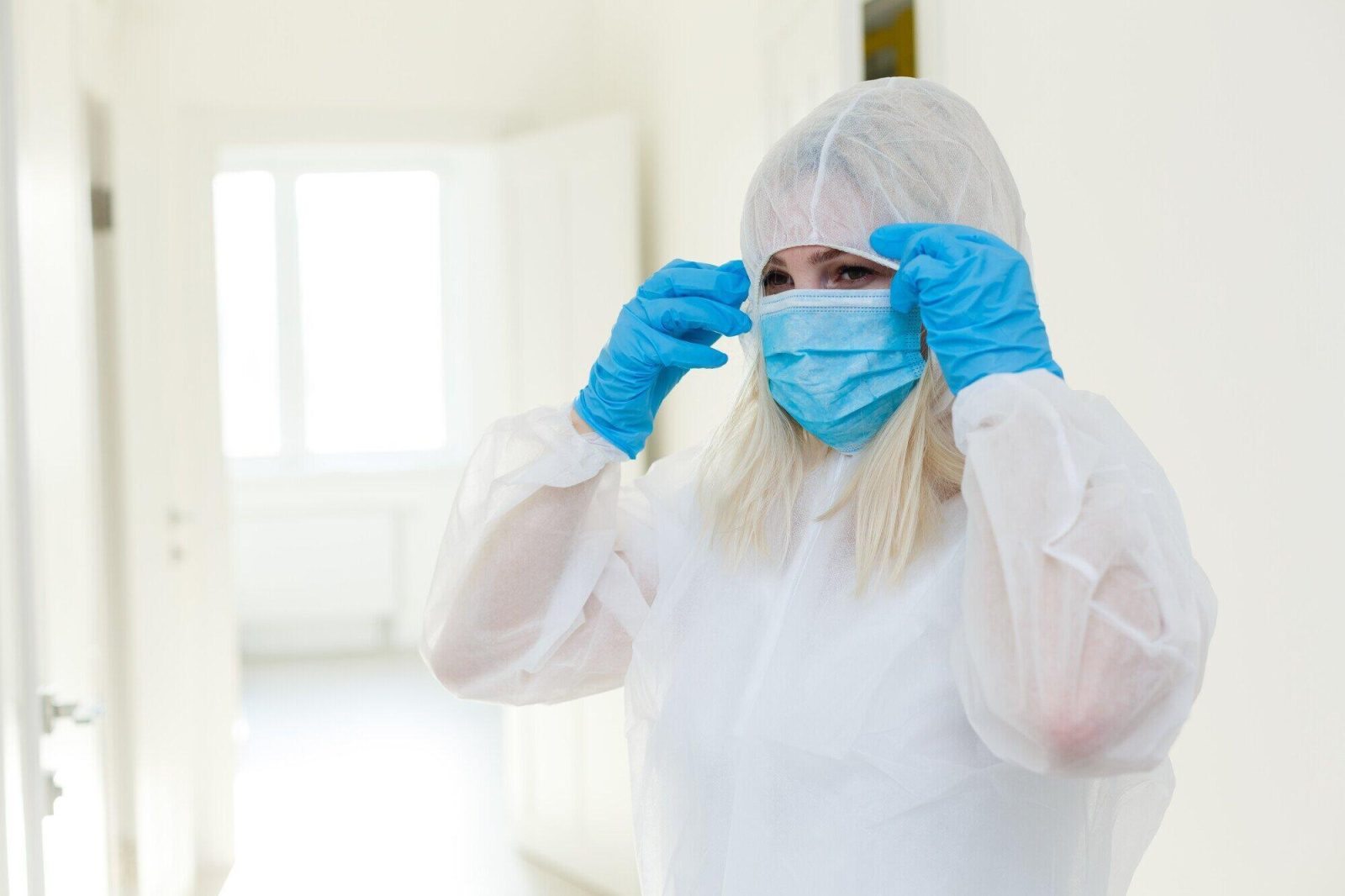
Trained technicians follow detailed steps to keep everyone safe. They wear full-body protective gear from head to toe. This gear prevents direct skin contact with harmful pathogens. Strict protocols keep workers and property owners safe during deep sanitation projects.
Decontamination Steps After An Incident
Technicians inspect the scene before beginning any physical labor. They map out the affected area to plan their remediation approach. Clear planning keeps work swift, accurate, and safe for everyone.
Workers apply hospital-grade disinfectants to non-porous surfaces. These chemicals break down biological matter quickly and safely. Teams scrub surfaces multiple times to guarantee complete sanitation. Steam treatments penetrate deep into tight crevices to kill hidden bacteria.
Odor removal requires advanced equipment rather than masking sprays. Technicians use machines that generate hydroxyl molecules to break down odor molecules. These systems clean the air without leaving harsh chemical smells behind. Fresh air returns to the home after remediation ends.
Specialized Gear Used By Crews
Cleanup crews use special tools to complete their work safely:
- Protective masks and suits
- Strong disinfectant cleaning products
- Air scrubbers and filters
- Heavy-duty plastic bags
- Approved biohazard waste containers
The right equipment helps crews handle serious property damage safely. Industrial vacuums remove liquid waste from carpets and floors. Special lights can reveal small traces of body fluids that are hard to see. These tools help workers clean affected rooms more thoroughly.
How Teams Protect Human Health
Dangerous pathogens remain active on surfaces long after an event occurs. Viruses and bacteria survive without treatment. Professional intervention protects future occupants from severe illness and health problems. Safe living spaces allow families to heal without worrying about hidden dangers.
Discreet service respects the privacy of affected individuals. Unmarked vehicles arrive quietly to prevent unwanted attention from neighbors. Technicians work quickly to return properties to normal condition. Compassionate care forms the foundation of every remediation job.
Learn More About Property Care
Restoring a property requires skill, care, and proper safety equipment. Professional teams restore peace of mind when unexpected events disrupt daily life. Looking for more tips and ideas? We've got you covered. Check out some of our other posts now.