
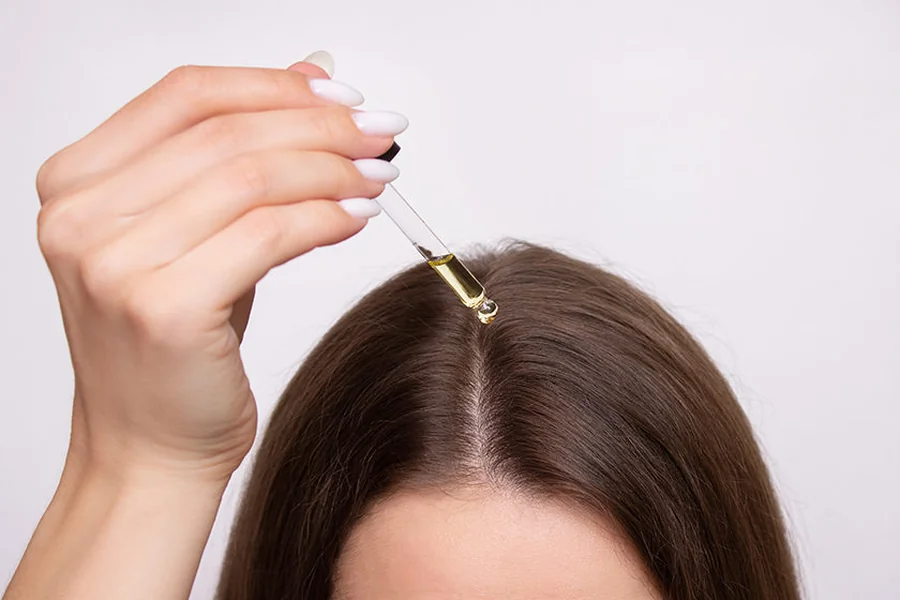
You may already oil your hair regularly but still notice thinning near the parting, extra strands on your comb or dry, frizzy lengths. Adding a hair growth serum to your routine might seem like the next step, but these products serve different purposes. Hair oils mainly condition the scalp or strands, depending on the formula, while serums target specific concerns based on their ingredients. Knowing how they differ can help you choose what suits your scalp, hair texture, and hair care goals.
Table of Contents
What Is a Hair Growth Serum?
A hair growth serum is a lightweight product applied to the scalp or hair, depending on its formulation. Scalp serums may contain ingredients such as Redensyl, Baicapil, or other actives intended to support scalp health or address specific hair concerns.
Benefits of a suitable serum are:
- Targets specific scalp concerns with active ingredients.
- May help reduce hair breakage and improve the appearance of thinning.
- Can smooth frizz and make strands easier to manage.
- Leave-on formulas allow scalp-focused ingredients to remain in contact with the skin.
- Lightweight formulas may suit people who dislike heavy products.
Choosing a serum that matches your hair goals can make your routine more effective, while the right formula can help keep your scalp comfortable and your hair easier to manage.
What Is Hair Oil?
Hair oil is used to condition the hair, reduce friction, and improve softness. Depending on the ingredients, it may be applied to the lengths, scalp, or both. Rosemary, coconut, argan, and almond oils are common examples, although their benefits and suitability vary.
Benefits of using hair oil include:
- Helps soften dry, rough hair and improve shine.
- Reduces friction during combing, which may limit breakage.
- Helps protect hair lengths from some forms of damage.
- Makes thick, coarse, or frizzy hair easier to manage.
- Can provide a relaxing scalp massage when applied gently.
Oils can improve hair condition, but persistent shedding or thinning may need a targeted treatment.
Hair Growth Serum vs Hair Oil: Key Differences
| Feature | Hair growth serum | Hair oil |
| Main purpose | Depends on the formula; may target scalp concerns or hair thinning | Conditions hair and reduces dryness or friction |
| Texture | Usually lightweight and less greasy | Usually richer and oilier |
| Application | Scalp or lengths, as directed | Scalp, lengths or ends, depending on the oil |
| Best suited for | Specific scalp concerns or lightweight conditioning | Dryness, roughness, frizz and breakage |
| Frequency | Based on product instructions | Based on hair type and personal preference |
Neither product automatically works better for everyone. A serum containing a suitable, evidence-backed active may help with a particular scalp concern, while a hair growth oil can improve softness and reduce damage-related breakage. Neither should be assumed to treat medical hair loss.
Which Is Better for Your Hair Type and Concern?
Your main concern and hair type should guide your choice more than the product label.
According to hair concern:
- Hair fall: First identify whether the issue is shedding from the roots or breakage along the strands. A serum may help only if its ingredients address the underlying concern.
- Thinning hair: Consider a hair serum with targeted ingredients such as Rosemary, Anagain, and Redensyl, which may help support visible hair growth. However, some types of hair loss need proven treatments rather than cosmetic products.
- Dryness and frizz: A hair oil for hair growth may still be useful for conditioning, but choose it for its effect on dry lengths rather than expecting it to stimulate new growth.
According to hair type:
- Oily scalp: A lightweight, non-greasy hair growth serum that does not make your scalp greasy would be a better choice. Apply oil sparingly, especially if heavy products leave your scalp greasy.
- Fine hair: Lightweight serums or a small amount of oil at the ends will make your hair more manageable.
- Thick or coarse hair: Oil can help soften lengths, improve manageability and reduce friction while detangling.
How to Use Hair Serum and Hair Oil Together
Hair oil and a growth serum can fit into the same routine, but apply them at different stages to avoid buildup and allow the serum to reach a clean scalp.
- Apply oil before washing: Massage a small amount into your scalp if suitable, or apply it to your hair lengths. Leave it on for around 30 minutes to a few hours, then shampoo your hair.
- Apply serum after washing: On a clean, towel-dried scalp, apply the growth serum according to its instructions. Leave it on rather than washing it out, unless the product directions say otherwise.
- Follow different schedules: Oil is often used once or twice a week, while some scalp serums are applied daily. Always follow the specific product instructions.
- Avoid layering them together: Applying a growth serum over an oily scalp may interfere with even application and leave the scalp greasy. Use the serum on a clean scalp instead.
If you have a very oily scalp or fine hair that gets weighed down easily, using both may be unnecessary. Choose the product that addresses your main concern rather than adding extra steps.
How Long Does It Take to See Results?
The timeline can depend on your specific concern and which ingredients you use.
- After 1-3 uses
Hair oil may make dry lengths feel softer and look shinier. A smoothing serum may also help control frizz after the first application.
- Within 2-4 weeks
With regular use and gentle handling, you may notice fewer strands breaking during combing and less roughness along the lengths. The improvement depends on your hair’s condition and how you use the products.
- Within 8-12 weeks
You may begin to assess whether a scalp treatment is helping with shedding, provided its ingredients are suitable for your concern. New hair growth often takes longer to become noticeable.
- After 3-6 months
You may notice more noticeable changes, such as short new hairs or less visible scalp in thinning areas.
Follow product directions consistently, and avoid switching between several new products at once. If shedding is sudden, patchy, or persistent, consult a dermatologist for proper medical assessment and treatment.
Conclusion
Hair oil and hair growth serum can both have a place in your hair care routine, but they do different jobs. Hair oils can help provide softer, smoother lengths, while a scalp serum could be beneficial because of its targeted ingredients that may help support healthy hair growth. There is no need to apply both of them at once, so it’s important not to overload your scalp. Start with your main concern, choose products that match it, and give your routine enough time to show whether it is helping.
1 thought on “Hair Growth Serum vs Hair Oil: Which One Should You Use?”