
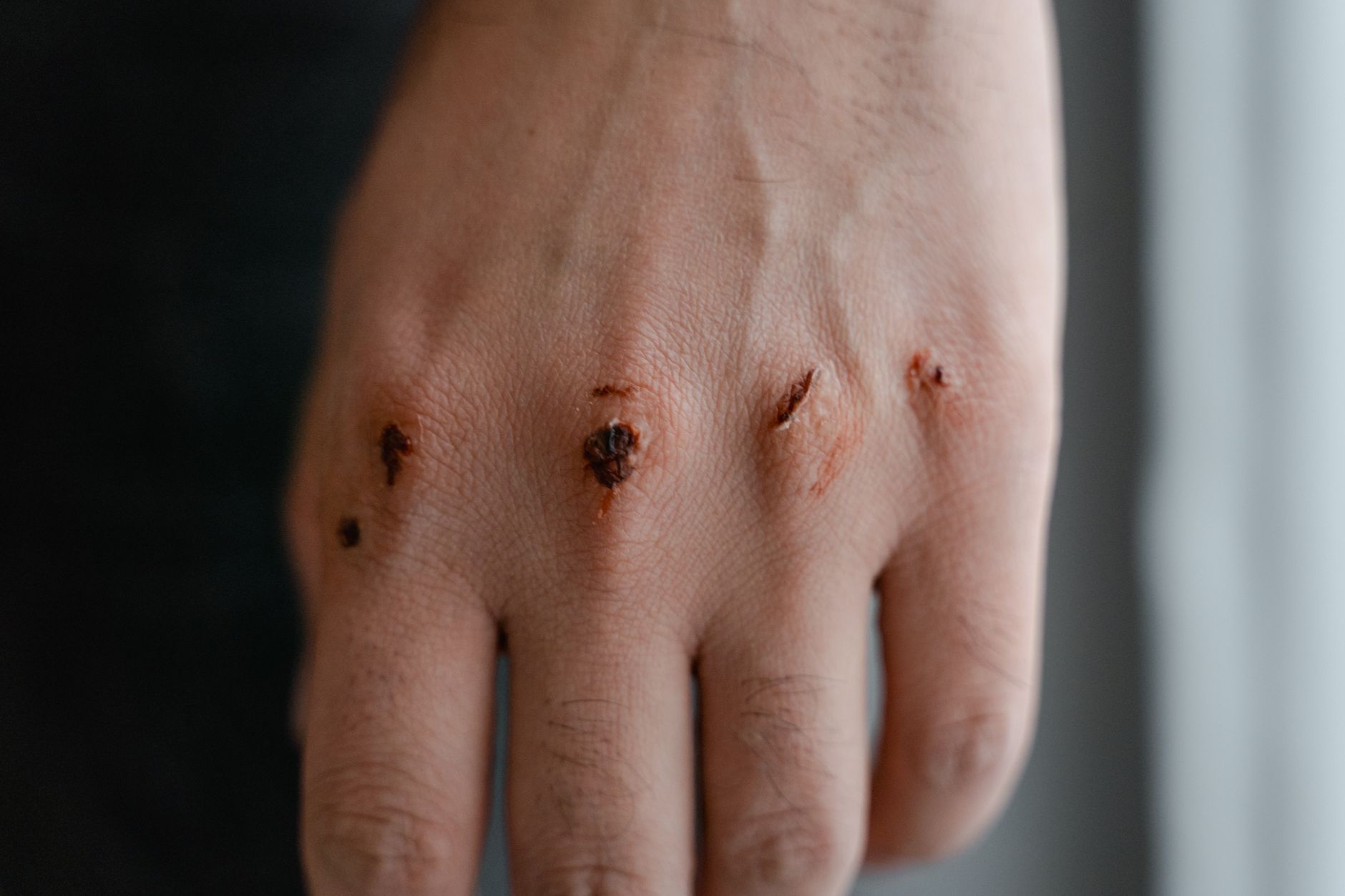
A cut, scrape, or surgical incision follows a predictable healing timeline, but small mistakes in the first few days can add a week or more to recovery. Most people either over-treat a wound with unnecessary products or under-treat it by skipping basic steps like keeping it moist. Here are eight practical, evidence-backed tips that actually speed things along.
Table of Contents
- Clean the Wound Properly the First Time
- Keep It Moist, Not Dry
- Choose the Right Dressing and Change It on Schedule
- Watch for Early Signs of Infection
- Support Healing From the Inside With Nutrition
- Avoid Picking, Scratching, or Re-Injuring the Area
- Manage Blood Sugar and Circulation
- Know When to Get Professional Help
Clean the Wound Properly the First Time
Rinse the wound under cool or lukewarm running water for at least five minutes to flush out dirt, debris, and bacteria. Avoid hydrogen peroxide or rubbing alcohol directly on the wound bed, since both damage healthy tissue and slow healing rather than help it. A mild soap around the edges works fine, but keep soap out of the wound itself. If gravel or glass is embedded and won't rinse free, that's a sign to seek medical attention instead of digging at it with tweezers.
Keep It Moist, Not Dry
The old advice to "let it air out" is outdated. Wounds heal faster in a moist environment because new skin cells migrate more easily across a damp surface than a dry, scabbed one. Petroleum jelly or an antibiotic ointment applied thinly, then covered with a bandage, keeps the area moist without inviting infection. Dry wounds tend to scab hard, crack, and reopen, which resets the healing clock.
Choose the Right Dressing and Change It on Schedule
A basic adhesive bandage works for small cuts, but larger or deeper wounds benefit from gauze pads, non-stick dressings, or hydrocolloid bandages designed to manage drainage. Change the dressing daily, or sooner if it becomes wet, dirty, or starts to smell. Leaving the same bandage on for days traps bacteria against the skin and increases infection risk. For wounds on joints or high-movement areas, a flexible dressing that won't shift during normal activity holds up better.
Watch for Early Signs of Infection
Redness, warmth, and mild swelling right after an injury are normal parts of the inflammatory phase. What's not normal is redness that spreads outward, pus that's thick or foul-smelling, increasing pain after day three, or fever. Catching an infection early, before it sets deep into tissue, makes the difference between a few extra days of antibiotics and a hospital visit. If any of these signs show up, don't wait it out hoping it improves on its own.
Support Healing From the Inside With Nutrition
Protein is the building block for new tissue, so wounds heal noticeably slower in people who aren't getting enough of it. Aim for lean meat, eggs, beans, or dairy at most meals during recovery. Vitamin C and zinc also play direct roles in collagen production and immune function, so foods like citrus, bell peppers, nuts, and seeds are worth adding to the plate. Staying hydrated matters too, since dehydrated skin is slower to regenerate and more prone to cracking around the wound edges.
Avoid Picking, Scratching, or Re-Injuring the Area
Scabs are protective, not decorative, and picking at one restarts the healing process from an earlier stage. Itching is common as nerve endings regenerate, but scratching introduces bacteria from under the fingernails directly into healing tissue. For wounds on hands or areas prone to bumping, a loose protective covering during daily tasks prevents accidental reopening. Athletes and manual laborers especially need to plan around this, since repeated minor trauma to the same spot is one of the most common reasons a wound won't close.
Manage Blood Sugar and Circulation
Poor circulation and elevated blood sugar are two of the biggest reasons wounds heal slowly, particularly in people with diabetes or peripheral vascular disease. High glucose levels stiffen blood vessels and impair the immune cells responsible for clearing bacteria and debris. Keeping blood sugar in a healthy range, staying active to promote circulation, and avoiding tight clothing or footwear that restricts blood flow near the wound all support faster tissue repair. Anyone managing a chronic condition alongside a wound should treat glucose control as part of the wound care plan, not a separate issue.
Know When to Get Professional Help
Not every wound heals well with home care alone, and recognizing that early prevents complications. Deep cuts, wounds that won't stop bleeding after ten minutes of direct pressure, animal bites, or wounds showing signs of infection all warrant medical evaluation. Searching for expert wound care near me is a reasonable and often necessary step for wounds that are large, slow to heal, or connected to an underlying condition like diabetes. Specialized wound clinics have access to debridement tools, advanced dressings, and treatments like negative pressure therapy that go well beyond what's available at a drugstore.
Healing speed comes down to a handful of controllable factors: cleanliness, moisture, protection from reinjury, and giving the body the nutrients and blood flow it needs to do the work. Most minor wounds should show clear improvement within a week; if progress stalls or symptoms worsen instead, that's the signal to bring in professional care rather than keep waiting.