
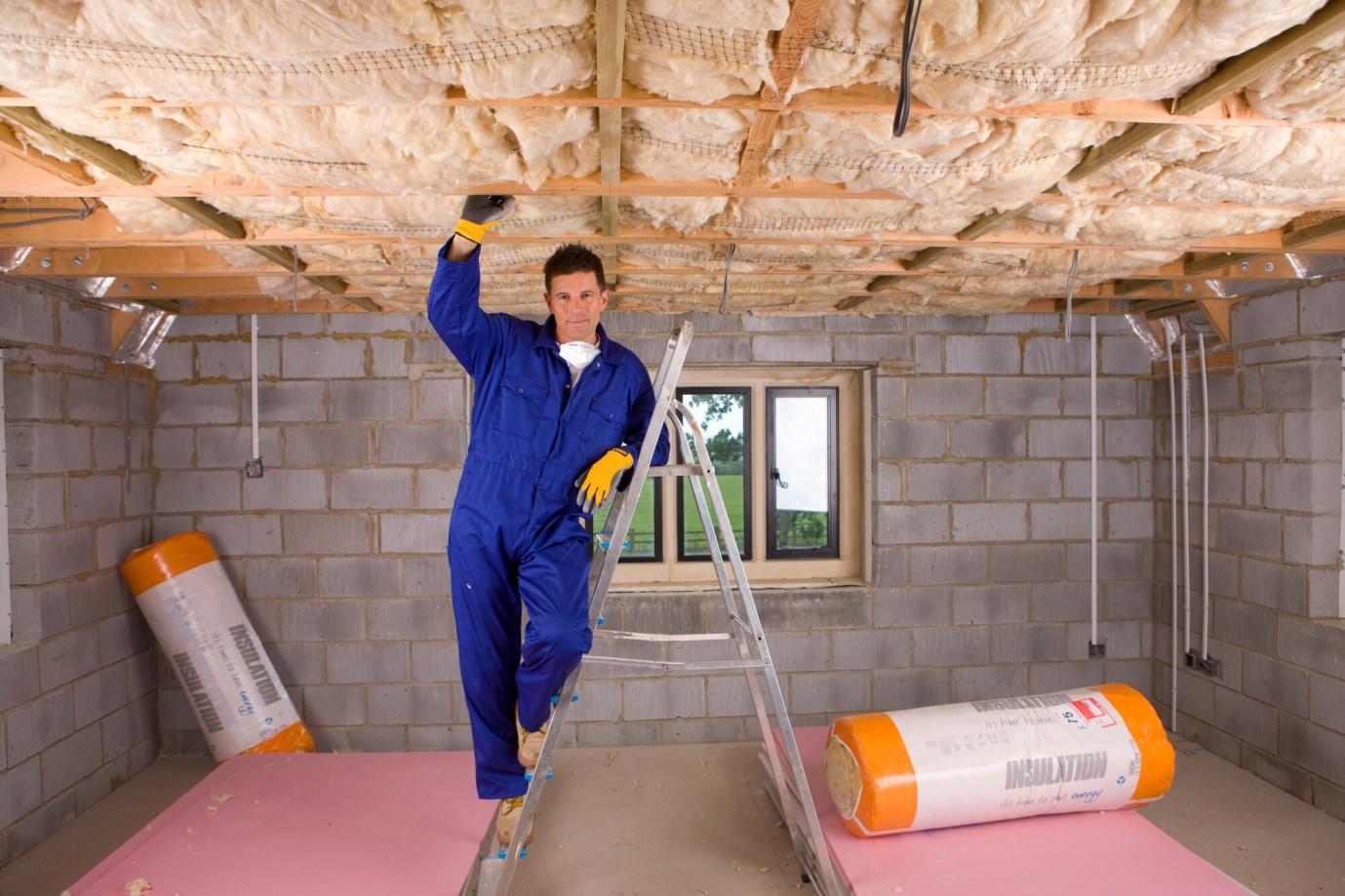
Homeowners are always looking for smart ways to lower monthly costs without losing comfort. Keeping a home at a nice temperature uses a lot of electricity all year. Finding a lasting fix for high energy bills is a big goal for many property owners.
Upgrading the insulation and roofing at the top of a house changes how it holds in warm or cool air. This simple home project gives big structural benefits and cuts power bills right away. Investing in the upper part of the home proves to be a very smart move.
Table of Contents
- Understanding How Heat Moves Through Buildings
- The Direct Impact On Monthly Utility Bills
- Finding Professional Help For Your Home Upgrade
- Alleviating Financial Stress For Households
- Managing Climate Extremes During Winter Months
- Fighting Energy Poverty On A Global Scale
- Enhancing Daily Comfort In Every Room
- Reducing The Burden On Heating And Cooling Systems
- Evaluating Heat Loss In Uninsulated Spaces
- Environmental Benefits And Carbon Footprint Reduction
- The Role Of Modern Materials In Thermal Performance
- Keeping Indoor Temperatures Stable In Summer
- Long-Term Structural Protection For Your Property
- How Attic Ventilation Pairs With Quality Insulation
- Explore The Benefits of Insulating Your Roof
Understanding How Heat Moves Through Buildings
Warm air naturally rises and looks for cooler spots inside any home. If the top of the house isn't well protected, that costly warmth escapes outside. Homeowners then see their heating systems running nonstop to make up for the loss during cold weather.
A well-known industry report said that an uninsulated home loses about 25% of its heat through the roof. This big loss forces heating units to use much more fuel than they should. Adding a proper barrier stops this upward escape right away by keeping warm air trapped below.
Controlling this airflow keeps the indoor temperature steady on every floor. Strong thermal barriers block extreme outside temperatures from entering your living areas. Families enjoy more even room temperatures when the upper level is fully sealed against the weather.
The Direct Impact On Monthly Utility Bills
High energy costs place a heavy burden on monthly family budgets throughout every season of the year. Most of that cost comes from heating and cooling systems fighting against heat escaping through unsealed areas. Sealing the highest point of the structure creates an immediate drop in power consumption numbers.
According to home improvement researchers, energy-efficient roofs can cut utility bills by up to 25 percent. This saves the average home $300 to $500 each year. These steady savings help homeowners earn back what they spent on materials quickly. The financial benefits grow month after month as energy prices keep rising.
Reducing power bills provides long-term financial predictability for middle-class households dealing with inflation. Less dependency on local power grids means fewer surprises when seasonal bills arrive unexpectedly in the mail. Saving money on monthly power bills frees up resources for other critical property maintenance tasks.
Finding Professional Help For Your Home Upgrade
Picking the right materials means knowing your local weather and current building rules. Every home has its own structural needs, so you need custom insulation solutions from skilled pros. Your local climate will decide whether fiberglass batts or loose cellulose works better under your roof.
Hiring skilled workers keeps your investment safe from mistakes that ruin insulation. A good roofing contractor in Elk River can help find weak spots in your current setup. Their expert check makes sure every dollar gives your home the best thermal protection.
Certified installers make sure ventilation stays clear while putting in thick insulation. Blocking attic airflow can trap moisture, which rots wood rafters and damages roof boards. Hiring trained pros stops these costly structural problems from popping up later.
Alleviating Financial Stress For Households
Money stress from rising energy bills affects mental health in many communities. Families worry about sudden jumps in heating costs when bad winter weather hits. Keeping these costs steady brings quick relief to tight household budgets.
A study found that saving on energy bills helps mental health most, especially for families worried about debt. Knowing your home holds heat well removes a big source of seasonal worry. Less financial strain lets people focus on other parts of their lives.
Every dollar saved on energy stays in the family budget for future needs. Peace of mind comes from knowing basic living costs stay affordable, no matter what happens with prices or fuel. Upgraded protection acts as a shield against sudden changes in the energy market.
Managing Climate Extremes During Winter Months
Winter brings freezing conditions that test the operational limits of residential heating systems. Unprotected attics allow precious heat to drift away into the cold sky within a few minutes. Keeping rooms warm uses constant fuel when the ceiling has little insulation.
A review of home energy use before winter 2024/2025 found that UK families are looking for ways to handle rising energy costs. This shows a global need for better home insulation. Adding thick barriers helps keep indoor temperatures steady even when it's freezing outside.
Thick layers of overhead protection prevent dangerous ice dams from forming on outer roof eaves. Ice dams happen when escaped interior heat melts snow on the upper portions of a sloped roof. Stopping that heat loss protects shingles from water damage caused by backed-up pooling ice.
Fighting Energy Poverty On A Global Scale
Many families can't afford the power needed to keep their homes healthy during extreme weather. Cold indoor spaces can cause breathing problems and lower quality of life for kids and older adults. Improving building structures is a lasting fix for these common community issues.
Official data on European housing found that 9.2% of Europeans could not keep their homes warm enough. Energy-saving renovations offer a real, lasting solution to help many escape energy poverty. Investing in upgrades tackles the main cause of high heating costs. Better homes protect vulnerable people without needing endless government aid.
Upgraded homes hold their value better and keep residents safe from severe winter cold. Long-term energy savings start with small fixes to attic floors and ceilings. Communities get stronger when homes need less power to stay safe and comfortable all year.
Enhancing Daily Comfort In Every Room
True home comfort means steady temperatures everywhere, with no cold spots. Drafty rooms and cold ceilings make certain areas of a home unusable during severe weather months. Sealing the upper boundary eliminates these unpleasant internal temperature variances for good.
A home upgrade article said roof insulation can make a big difference in energy use. It keeps your home cozy and heating steady. Drafts disappear when insulation stops air from moving around.
Families feel a big change in comfort right after finishing this simple attic project. Upstairs rooms become usable again, so no more cold or boiling, no matter the season. True comfort comes from a house that works with its heating system rather than against it.
Reducing The Burden On Heating And Cooling Systems
A well-insulated home helps your heating and cooling system work more efficiently. When indoor temperatures stay more stable, your HVAC system does not need to run as often. This reduces wear on important parts and may help the system last longer. Better insulation can also lower energy use and reduce monthly utility bills. Some of the main benefits include:
- Reduce system runtime
- Lower energy bills
- Extend equipment life
- Improve indoor comfort
Keeping your home properly insulated helps maintain comfortable temperatures throughout the year. It also eases the load on your HVAC, cuts maintenance costs, and helps avoid surprise repairs. These improvements can save money while making your home more comfortable in every season.
Evaluating Heat Loss In Uninsulated Spaces
Many older homes have empty attics that let heated or cooled air escape outside. Property owners underestimate the volume of warm air escaping through these open cavities every single day. Examining these structural losses reveals why energy costs stay high despite thermostat adjustments.
According to BRANZ, about 35 to 40 percent of the heat lost in an uninsulated home escapes through the ceiling and roof. This shocking number means nearly half of your heating bill goes to warming the air above your house. Fixing this problem changes how your home holds heat right away.
Stopping this upward heat loss changes how much energy any home uses. Heat remains trapped down in the active living zones where families gather for daily activities. The investment pays off by plugging the largest physical leak in the building's structure.
Environmental Benefits And Carbon Footprint Reduction
Reducing individual carbon emissions requires practical adjustments to residential energy usage habits. Burning less fuel for home heat helps the environment. Better insulation cuts neighborhood emissions without forcing lifestyle changes.
A report showed that insulation cuts energy use and emissions in hot climates. This research proves that insulation helps in every part of the world. Using less power to heat or cool a building also lowers greenhouse gases.
Living sustainably begins with making homes more efficient. Small upgrades to attic insulation give big environmental benefits without changing your routine. Caring for the planet comes naturally when you make smart home maintenance choices.
The Role Of Modern Materials In Thermal Performance
Today's materials let homeowners tailor insulation plans to their home's needs. Fiberglass batts and loose-fill cellulose work better for different frame styles. Picking the right one depends on how your roof is built.
Blown cellulose flows into tight corners where standard rolled batts cannot fit easily. This seamless coverage blocks minor drafts that traditional materials often miss during installation. Spray foam seals gaps and leaks while offering strong insulation per inch of thickness.
High-quality materials resist settling and maintain their protective qualities for many decades. Buying quality products makes sure your insulation stays effective and doesn't break down. Choosing the right materials keeps your home safe through years of all kinds of weather.
Keeping Indoor Temperatures Stable In Summer
Hot summer weather can make your home uncomfortable, especially if heat enters through the roof. Good insulation and ventilation keep indoor temperatures steady all day long. This reduces the amount of work your air conditioner must do and can lower your electricity bills. A cooler home is also more comfortable for your family during hot weather. Simple ways to reduce heat include:
- Install reflective barriers
- Improve roof insulation
- Increase attic ventilation
- Block direct sunlight
Using these methods together helps keep hot air out and cooler air inside. A well-insulated and ventilated home feels cooler in summer, uses less energy, and helps your AC run better for years.
Long-Term Structural Protection For Your Property
Excessive temperature swings inside attic spaces cause materials to expand and contract rapidly. This constant physical movement strains wooden roof framing and loosens metal fasteners as years pass. Stabilizing the climate within the roof structure preserves building materials for a longer period.
Moisture control represents another major advantage of maintaining stable attic temperatures throughout the year. Condensation forms when warm indoor air collides with the freezing underside of roof decks during winter. Proper thermal defense prevents this moisture from rotting wood structures and breeding destructive mold colonies.
Protecting the structural skeleton of a house extends its total operational lifespan significantly. Homeowners avoid expensive structural repairs by keeping attic spaces dry and stable through all seasons. A well-protected roof deck remains strong and secure against severe weather events.
How Attic Ventilation Pairs With Quality Insulation
Good attic ventilation and quality insulation work together to protect your home throughout the year. Insulation helps keep indoor temperatures stable, while ventilation allows hot, cold, and moist air to move out of the attic. This reduces large temperature changes that can cause building materials to expand and shrink over time, helping your roof and attic last longer.
Proper insulation and ventilation also help control moisture inside the attic. When warm indoor air meets a cold roof during winter, condensation can form. Keeping the attic dry helps prevent mold, mildew, and wood rot, protecting both the roof and the wooden structure of your home.
A well-protected attic improves energy efficiency and reduces the need for expensive repairs. Your heating and cooling system does not have to work as hard, which can lower energy bills. Together, good ventilation and quality insulation help create a more comfortable home while protecting its value for many years.
Explore The Benefits of Insulating Your Roof
Adding better attic insulation is a simple home improvement that can make a big difference. It helps keep your home more comfortable throughout the year while lowering heating and cooling costs. Better insulation also reduces the workload on your HVAC system, which may help it last longer.
Using less energy helps reduce your impact on the environment. Investing in quality attic insulation is a smart way to improve comfort, save money, and protect the long-term value of your home. If you'd like to learn more, check out more articles on our blog.
1 thought on “The Benefits of Insulating Your Roof for Energy Efficiency”
Comments are closed.