
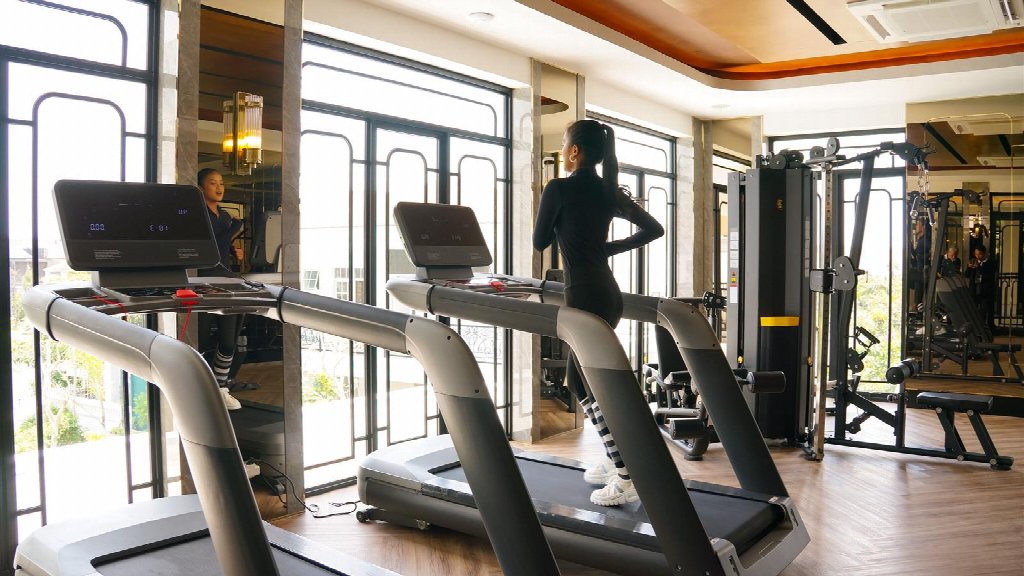
When snow, ice, or early darkness makes a trail outing impractical, an indoor session can keep your climbing routine moving. Incline treadmill walking gives you a repeatable uphill effort without needing a long outdoor climb or a running pace.
It can help maintain walking endurance and leg stamina, but it cannot reproduce loose footing, changing terrain, or long descents. A useful plan pairs uphill intervals with simple strength and balance work, then returns to real trails as conditions allow. Here’s how to build that mix without turning every workout into a steep test.
Table of Contents
How Incline Treadmill Walking Keeps You Trail-Ready Through Winter
Indoor treadmill work can support hill preparation, but it does not reproduce changing trail surfaces.
A treadmill incline gives you a steady climb you can control. Keep your pace comfortable and raise the grade to add effort; lower it for recovery. That makes it useful when outdoor routes are slick, dark, or unavailable.
For trail walkers, think of incline work as one part of preparation: sustained uphill effort. It asks your legs and breathing to work harder than a flat walk at the same speed. You can also repeat the same interval from week to week and notice whether it feels more manageable.
But a moving belt is predictable. It doesn’t ask you to choose foot placements around rocks, adjust to side slopes, or manage the changing rhythm of a real route. Uphill treadmill walking also doesn’t train the braking work required on a long downhill. Keep those differences in mind: indoor incline sessions can support your trail fitness, not stand in for every trail demand.
Use effort, not a headline grade, to set the session. You should be able to walk with a natural stride and upright posture. If you have to grip the rails, lean back, or shorten your steps sharply to stay on the belt, reduce the speed or incline.
A 30-Minute Hill Session You Can Repeat
Start with a steady walk and add short uphill intervals only after you feel warm. The following session alternates climbing and easier walking, so you can adjust the grade without needing to run.
|
Time |
Incline |
Effort |
|
0–5 min |
0–2% |
Easy; speak in full sentences |
|
5–25 min |
Repeat 5 times: 2 min uphill, 2 min easy at 1–2% |
Challenging but controlled on the climb; relaxed recovery |
|
25–30 min |
0–1% |
Easy walk until breathing settles |
Choose a moderate grade for the uphill segments rather than chasing the steepest setting. If you’re new to incline training, start with three rounds: five minutes to warm up, 12 minutes alternating uphill and easy walking, and five minutes to cool down. That’s about 22 minutes. If you want a 30-minute session, use the remaining time for easy walking at a comfortable pace. Once three rounds feel controlled during the workout and afterward, add a fourth round. Raise the incline only in a later session, changing one variable at a time.
Keep your steps short enough to stay balanced, look ahead, and let your arms move naturally. Use the handrails for balance when needed, but don’t pull yourself up the belt. If the pace feels too hard to control, lower the speed first. Stop if you feel unwell or develop pain, and seek appropriate professional advice before changing your exercise routine if you have health concerns.
Add Trail Skills an Incline Belt Cannot Recreate

A treadmill handles the climbing rhythm. A few body-weight movements can address other parts of trail walking, especially stepping up, controlling a step down, and keeping balance on one leg.
Try two or three rounds of these moves on a stable surface, using a wall or chair for support if needed:
- Step-ups: Step onto a low, secure step, then lower with control. Switch legs evenly.
- Calf raises: Rise onto your toes, pause briefly, and lower slowly.
- Supported single-leg balance: Stand tall on one leg for a short, comfortable hold, then change sides.
- Controlled step-downs: From a low step, tap one heel to the floor and return without dropping quickly.
These are general conditioning ideas, not a substitute for a trail-specific plan or personal medical advice. Keep the step height modest and the movement smooth. If you hike with poles, carry a loaded pack, or expect long descents, practice those demands safely and progressively rather than assuming a treadmill has covered them.
When outdoor trail walking is practical again, choose a familiar, shorter route for your first outing. Keep the pace conversational and focus on your footing. Add distance or elevation in later walks, rather than increasing both at once.
Build a Routine That Leaves Room to Recover
Consistency matters more than making every session intense. A simple week might include one interval climb, one easier steady walk, and one short strength or balance session. On an easy day, keep the deck flat or at a low incline and walk at a pace where you can speak in full sentences. If you already have a training plan, fit incline work into it instead of stacking extra hard days on top.
Keep a brief log of walking time, speed, incline, and how the effort felt. When the same setting starts to feel easier, that’s useful information. It doesn’t mean you need to raise the grade every time; you can also keep the session steady and build routine.
If you miss a workout, resume with an easy session instead of making it up with a steep climb. That leaves room for recovery and makes the plan easier to repeat around work, family, and limited indoor space.
What to Look for in an Incline Treadmill
Choose the machine around the sessions you’ll actually do. A motorized incline makes it easier to alternate climbs and recovery while walking. Check that the control is simple to reach, the walking surface feels comfortable at your natural stride, and the frame feels steady at the grades you plan to use.
For home use, measure the machine’s footprint when open and its folded dimensions. Check how it folds and where it can realistically stand when stored; a treadmill still needs room to move and handle, even when folded. Confirm the weight capacity and the space needed around the machine before buying.
If you’re comparing home options, look at the available foldable treadmills with built-in incline and compare incline controls, deck size, and storage dimensions against your room and routine.
Keep the Next Trail in View
Incline treadmill walking is a practical way to keep uphill effort in your routine when outdoor access is limited. Pair it with basic strength and balance work, progress gradually, and return to varied terrain when it’s safe. The goal isn’t to imitate every trail feature indoors; it’s to arrive with a solid base and a routine you can maintain.
Disclaimer: This article is provided for general informational purposes and is not a substitute for professional medical advice, diagnosis, or treatment. Individual health needs and responses to exercise can vary. If you have a medical condition, concerns about your health, or are considering changes to your exercise, diet, sleep, or daily activity, consult a qualified healthcare professional first.
