
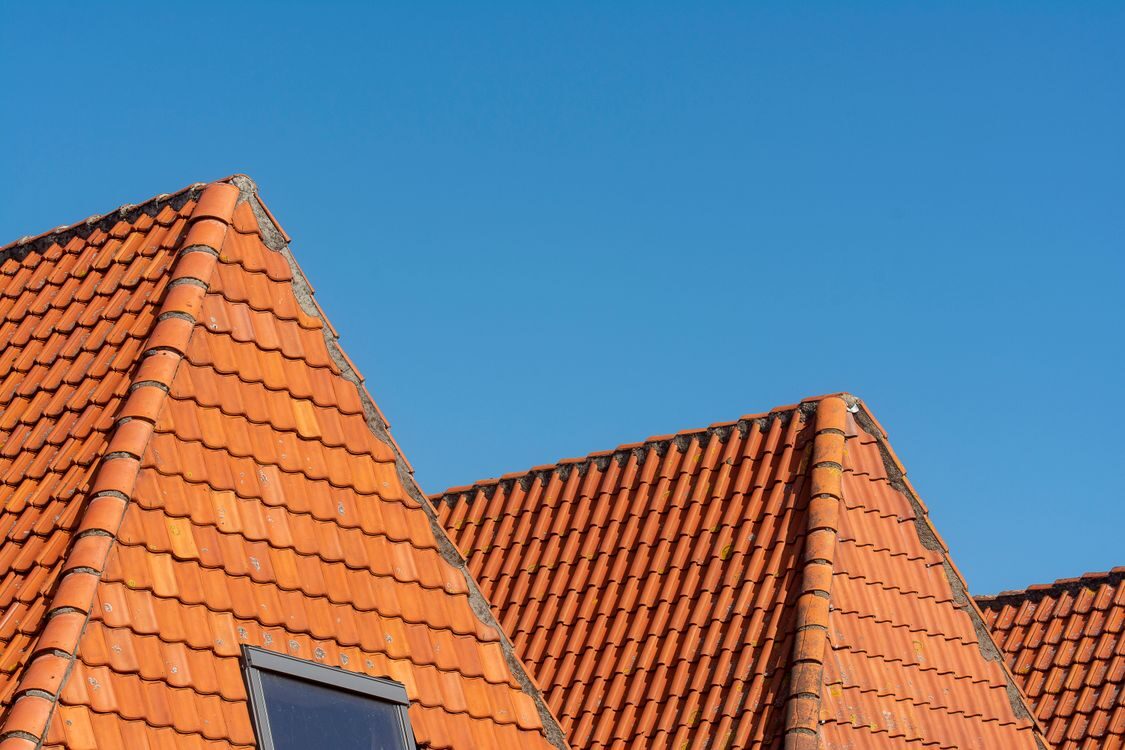
Your roof does a quiet job every day. It blocks rain, shades your rooms, and takes a beating from wind, heat, and surprise tree twigs that seem to fall out of nowhere. Because it sits overhead, it’s easy to ignore until something drips, stains, or starts looking a little tired. If you’ve been wondering whether your roof is still doing its best work, there are a few simple signs that can help you figure out what comes next.
Table of Contents
Why roofs wear out
Roofs don’t usually fail in one dramatic movie scene. Most of the time, they wear down slowly. Years of sun can dry materials out. Rain can sneak into weak spots. Winter freeze and thaw cycles can make tiny problems bigger.
If your roof is getting older, it may be smart to talk to a roof replacement contractor before a small issue turns into a soggy living room surprise. A good contractor can tell you whether your roof needs a fix, a partial update, or a full replacement.
Even a well-built roof has a lifespan. Asphalt shingles often last a couple of decades, but climate, ventilation, and maintenance matter a lot. If your home has gone through strong storms or years of neglect, your roof may be aging faster than you think.
Leaks tell a story
A leak is never just “a little drip.” It’s more like your house waving a small flag and saying, hey, something’s not right up here. Water stains on the ceiling are one of the clearest clues. They may look harmless at first, but they often mean moisture has already made its way inside.
The tricky part is that leaks don’t always show up during every storm. Sometimes wind pushes rain into just the right gap. Sometimes the moisture collects slowly. If you spot any of these warning signs, don’t wait for a bigger puddle to make the decision for you.
Shingles send signals
You don’t need to climb onto your roof like a weekend superhero. A lot of roof trouble can be spotted from the ground. Take a walk across the yard and look for shingles that seem curled, cracked, or uneven. If parts of the roof look patchy, worn, or bare, that’s worth attention.
Missing shingles are a big clue too. They leave the layer underneath exposed, which can let water in faster than you’d expect. Another common sign is granules in the gutters. Those little sandy bits help protect shingles from the sun. When they start collecting in large amounts, your roof may be losing its outer armor.
A roof should look fairly uniform. If one area seems older, darker, or rougher than the rest, it may have taken more damage. Think of shingles like puzzle pieces. When too many stop fitting well, the whole picture starts to struggle.
Energy bills creep up
An old roof can do more than let water in. It can also mess with how comfortable your house feels. If your upstairs rooms are suddenly extra hot in summer or chilly in winter, the roof system may not be doing its part.
Poor ventilation and worn roofing materials can trap heat in the attic. That trapped heat makes your air conditioner work harder, which can push your energy bill higher. In colder months, weak insulation support and hidden moisture can also affect indoor temperature.
This part gets overlooked because people often blame the thermostat, windows, or the weather. Sometimes the roof is the real troublemaker. If your utility costs keep creeping up and your house feels less cozy than it used to, your roof may be giving you a not-so-subtle hint.
Comfort matters. A healthy roof helps your whole home work better, not just the top layer.
Storm damage adds up
One strong storm can change a roof in a hurry. Wind can lift shingles just enough to break the seal. Hail can bruise roofing materials even when the damage isn’t obvious from the driveway. Heavy rain can test every weak point all at once.
Branches are another common issue. Even a small limb scraping across shingles can wear them down over time. A larger branch can knock off materials or crack what’s underneath. The frustrating part is that storm damage doesn’t always look dramatic right away.
That’s why problems often show up weeks later. Maybe the roof looked mostly fine after the storm, but then you notice a stain, a draft, or shingle pieces near the downspout. Storm damage has a sneaky side.
If your area gets rough weather often, regular checks are a smart habit. It’s a lot easier to handle damage early than to find out your roof has been quietly losing the battle.
Repair or replace
This is the question most homeowners wrestle with. If the issue is small and your roof is fairly new, a repair may be enough. A few damaged shingles or a localized leak can sometimes be fixed without replacing the whole roof.
But if your roof is older and problems keep popping up, repairs may start to feel like putting bandages on a worn-out backpack. It might hold for a bit, but not for long. Replacing the roof can make more sense if damage is widespread or if the cost of repeated repairs keeps stacking up.
It also helps to think about your plans for the home. If you want to stay for years, a new roof can bring peace of mind. If you may sell soon, a solid roof can be a strong selling point. Buyers like homes that don’t come with surprise buckets in the hallway.
Planning the next step
If several of these signs sound familiar, your best next move is simple. Get a professional inspection. You don’t have to guess, and you definitely don’t have to wait for a disaster scene in the attic.
When you talk with a contractor, ask clear questions. How much life is left in the roof? Are the problems isolated or widespread? What would a repair solve, and what would it leave unresolved? A good pro should explain things in plain language, not mystery-roof code.
You can also compare estimates, timelines, and material options. That helps you make a choice that fits your budget and your home. A roof project is a big job, but it feels much more manageable when you understand what’s happening.
Your roof doesn’t need applause, but it does need attention. If it’s showing signs of wear, catching them early can save money, stress, and a whole lot of rainy-day regret.