
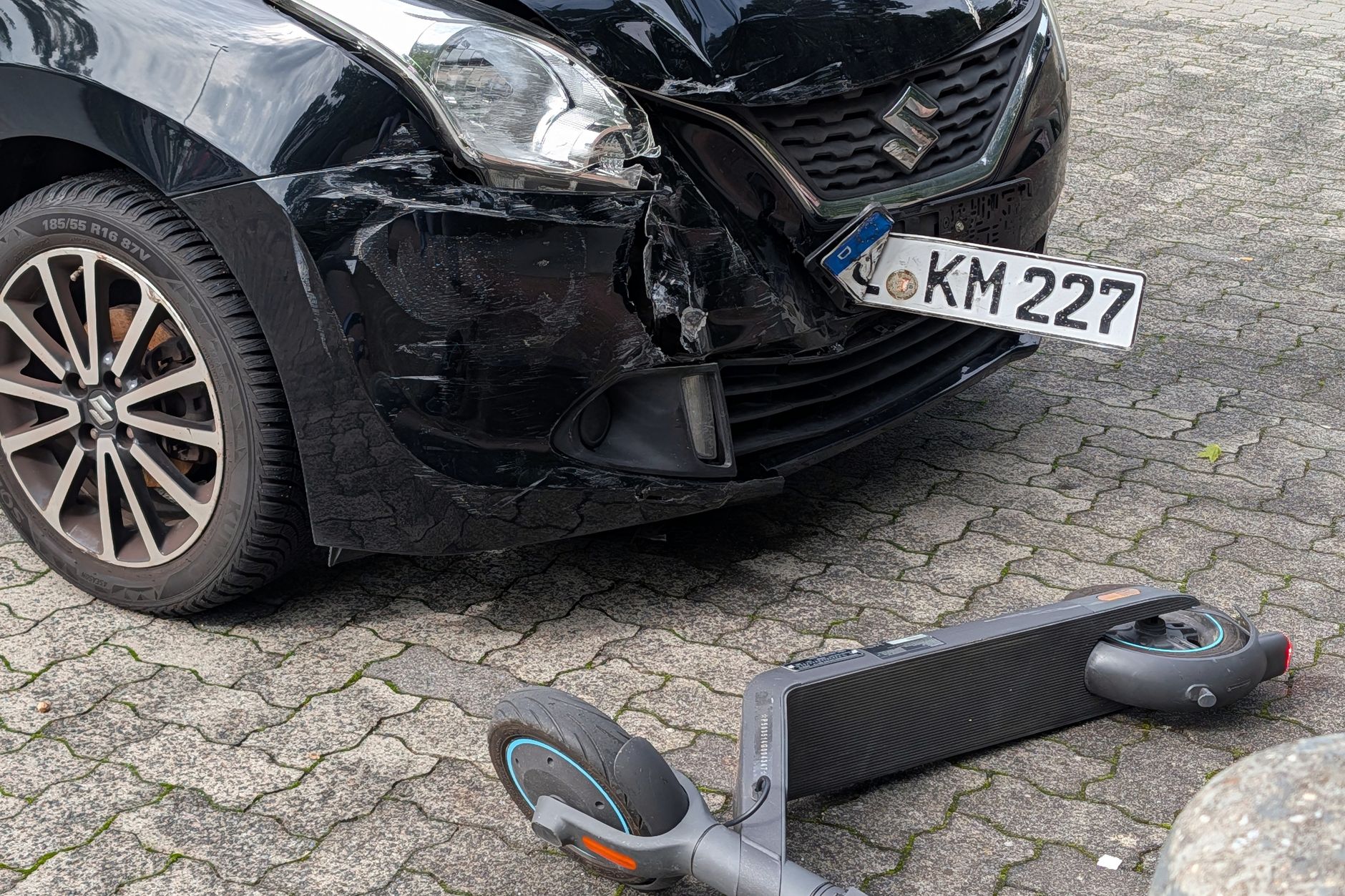
Getting hit by a car while walking can happen in seconds, but the effects can last for months or years. A broken bone, a head injury, or torn ligaments can keep a person out of work and buried in medical bills before they even understand what their rights are. Learning howpedestrian accident claims work can help you protect your health, your finances, and your ability to hold the right party accountable.
Pedestrians have almost no protection when a vehicle strikes them. Even a low speed crash can cause serious harm, and higher speeds often lead to broken bones or spinal injuries. Because the risk is so high, insurance companies sometimes try to shift blame onto the person who was walking. Knowing what steps to take, and when to bring in legal help, can change how a claim turns out.
Why Pedestrian Accidents Happen
Most pedestrian accidents come down to a driver who was not paying full attention to the road. Distracted driving, speeding, and failing to yield at a crosswalk are some of the most common causes. Poor visibility at night and confusing intersections can also play a role, especially in areas with heavy foot traffic.
Not every accident happens in a marked crosswalk. People get hit in parking lots, on sidewalks when a car jumps the curb, and while crossing mid block. The location of the crash does not automatically decide fault. What matters more is whether the driver, the pedestrian, or another party failed to act with reasonable care.
What to Do Right After the Crash
The first few minutes after a pedestrian accident are stressful, but a few simple actions can protect your health and your claim at the same time. If you are able to move safely, get out of traffic and call 911 so police and medical help can respond. Adrenaline can mask injuries that only show up hours or days later.
Once help arrives, let the responding officers document what happened and give them accurate information without guessing at details you are unsure about. If you can, take photos of the scene, the vehicle involved, and any visible injuries. Get the driver's insurance information and the contact details of anyone who saw the crash happen. These small steps can matter later, since vehicles get repaired and memories fade.
Reporting and Getting Medical Care
Seeing a doctor should happen as soon as possible, even if your injuries seem minor. Some conditions, like a concussion or a soft tissue injury, do not show clear symptoms right away. A medical evaluation creates a record that connects your injuries to the crash, which matters if an insurance company later questions the extent of your harm.
Keep every piece of paperwork connected to your treatment. Appointment summaries, prescriptions, and bills all help build a clear picture of how the accident affected you. If your injuries force you to miss work, keep records of your missed hours and any communication with your employer about your absence.
Building a Strong Claim With the Right Evidence
A strong case usually depends on evidence that shows how the crash happened and who was responsible. Traffic camera footage, nearby surveillance video, skid marks, and the police report can all help recreate the sequence of events. Witness statements are often valuable too, since a bystander's account can support or challenge each side's version of events.
This kind of evidence tends to disappear fast. Security systems often overwrite footage within days, and damaged vehicles get repaired or scrapped. That makes it worth acting quickly, whether that means requesting video from a nearby store or reaching out to a witness before their contact information is lost.
Who May Be Responsible for the Crash
A driver is often the responsible party in a pedestrian accident, but that is not always the case. An employer can share responsibility if an employee caused the crash while working. A vehicle owner may also be involved if they lent their car to someone careless. In some situations, a government agency or contractor may share fault if a broken traffic signal or poorly designed crosswalk contributed to the crash.
Figuring out every party that may share fault takes a close look at the facts. This is one reason people often turn to an attorney rather than handling a claim alone, since sorting out multiple sources of responsibility and insurance coverage can get complicated fast.
Comparative Fault Can Affect Your Compensation
Many states use some form of comparative fault, which means a pedestrian's compensation can be reduced if they are found partly responsible for the crash. Crossing outside a marked crosswalk does not automatically mean a pedestrian was careless, but it can become a factor insurance companies raise during negotiations.
A clear account of what happened, backed by evidence rather than assumptions, tends to hold up better. Details like the driver's speed, whether the pedestrian had the right of way, and the lighting conditions at the time of the crash can shift how fault gets divided between the parties involved.
What Compensation May Cover
A pedestrian claim can include more than just emergency room bills. Ongoing medical care, physical therapy, lost wages, and reduced ability to earn income in the future may all be part of it. Non-economic losses, such as pain, emotional distress, and the loss of normal daily activities, can also be included depending on the facts of the case.
According to theNational Highway Traffic Safety Administration, pedestrian deaths have made up a growing share of traffic fatalities in recent years, which shows why these crashes deserve careful attention when a case is being built. Every situation is different, so the total value depends on the severity of the injury, the strength of the evidence, and the insurance coverage available.
Why Acting Early Matters
Every state sets a deadline, known as a statute of limitations, for filing a pedestrian accident lawsuit. Missing that deadline can end any chance of recovering compensation, no matter how strong the case may have been. Waiting too long can also mean losing access to video evidence and other details that support a claim.
Getting medical care early, documenting everything you can, and speaking with a lawyer sooner rather than later can help protect the compensation you may be owed. A pedestrian accident can turn daily life upside down in an instant, but understanding the process ahead of time makes it easier to protect your health, your finances, and your rights after a crash.
1 thought on “Filing a Pedestrian Accident Claim: A Practical Guide”