
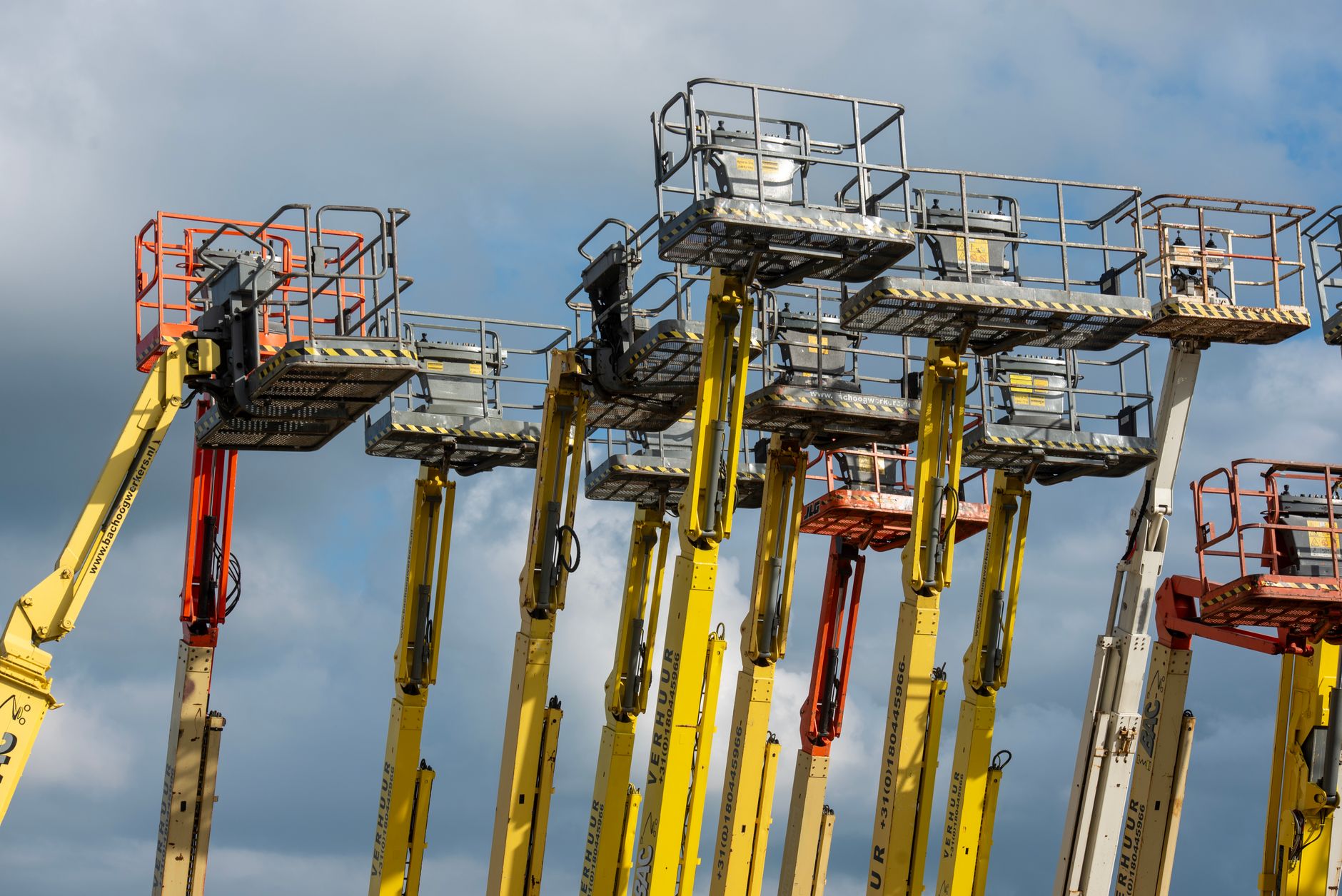
Aerial platforms for sale are sold on hours, photographs, and a tidy paint job, and none of those tell you much. The paperwork does. A used machine carries a written record of every inspection, repair, and replacement it has been through, and half an hour with that file will tell you more than a walk around the yard ever will.
The catch is that a truck-mounted platform is really two machines stapled together, and each keeps its own set of records.
Table of Contents
Start With the Two Identities
Find the serial number on the platform and the vehicle identification number on the chassis. Listings for aerial platforms for sale often quote one and not the other, so ask for both and check them against the file. Mismatches happen more often than sellers admit, usually because a platform has been remounted onto a replacement chassis at some point in its life.
A remount is not automatically bad. It does mean the platform hours and the truck mileage describe two different lifespans, and the file needs to explain when the swap happened and who carried it out.
The Annual Inspection Record
North American safe use standards call for a documented annual inspection of the platform by a qualified person, and the vehicle underneath has its own annual inspection requirement as a commercial vehicle.
You want to see both, unbroken, year after year. Gaps matter more than faults. A machine with a long list of found and fixed defects has been looked after. A machine with two missing years has been working somewhere without anyone signing for its condition.
Structural Repairs and What Follows Them
This is the section buyers skim and shouldn't. Look for boom repairs, weld work, turntable or outrigger repairs, and any collision damage.
The repair itself is not the issue. What matters is what came after it. Structural work on a load-bearing element should be followed by testing and recertification, documented, with the name of whoever signed it off. A repair with no test record behind it is the single strongest reason to walk away from an otherwise clean machine.
Wear Items, Hours and Honest Patterns
Hydraulic hoses, slew rings, wear pads, control cables, and basket sensors all have service lives. A history showing them replaced on schedule reads very differently from a history showing three emergency call-outs in one winter.
Compare the hour meter against the pattern too. Low hours on an older machine sound attractive until you realise long idle periods have their own costs: seals dry out, hydraulic oil degrades, batteries die. Steady moderate use with regular servicing usually beats a machine that spent four years under a tarpaulin.
What Aerial Platforms for Sale Should Come With
Ask for the full pack before you travel to see anything. At minimum:
- Operator and service manuals for that model
- Annual inspection certificates for the platform, unbroken
- Vehicle inspection and registration documents for the chassis
- Service records with dates, hours, and the engineer's details
- Test or recertification reports for any structural repair
- Load chart and the original data plate, legible and intact
If the seller cannot produce this, the price should reflect the risk, or the deal should not happen. Established dealers send the file over before a viewing is even arranged, because the paperwork is what closes the sale.
Three Things Worth Asking the Last Owner
What work did it do?
A machine on utility duty in open country has had an easier life than one squeezing into city yards every day.
Who serviced it?
A single named workshop across ten years is a very good sign.
Why is it being sold?
Fleet renewal is a normal answer. A vague one, or a recent unexplained transfer between owners, is worth a second look.
Buying the File, Not Just the Machine
A used platform is worth what its history can prove. Continuous inspection records, documented repairs with test reports behind them, and wear items replaced before they failed will tell you how the machine was treated far more reliably than its condition on the day of viewing. Dealers such as Blade Platforms can walk a buyer through a service file line by line and point out what is missing, which is worth doing before any deposit changes hands rather than after the first inspection failure.
Meta Title: Aerial Platforms for Sale: Reading the Service History