
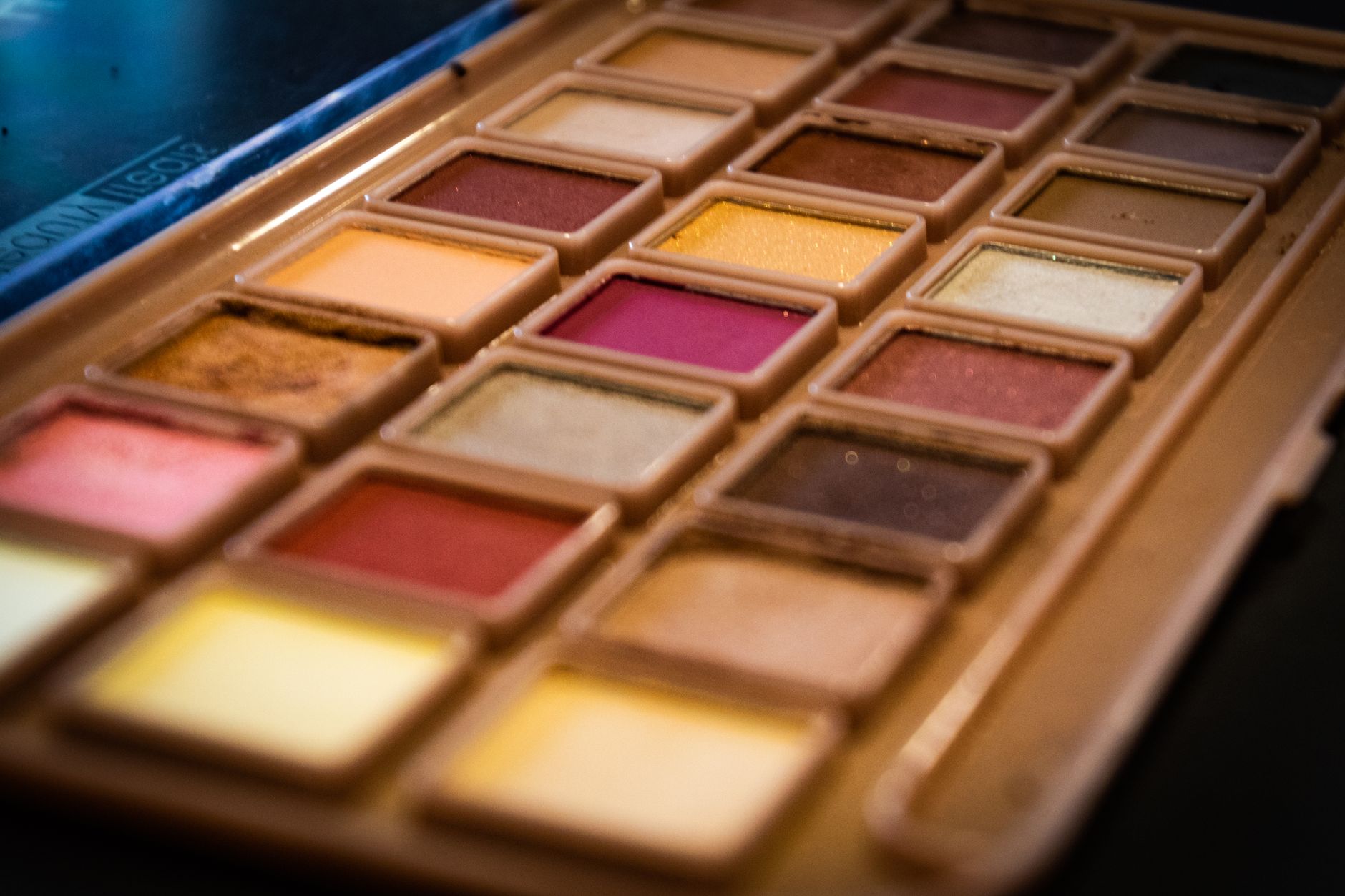
Winter dressing often begins with a dark coat, a pair of tailored trousers, or a pair of boots in black, brown, or charcoal. These pieces create the foundation of an outfit, but the color closest to the face often sets its mood. A soft neutral can make heavy outerwear feel quieter. A deep red can bring energy to a simple silhouette. A pale neckline can create light in the middle of a grey afternoon.
The most important color in a winter outfit is not always the brightest one. It is often the shade placed between the face and the rest of the look.
Table of Contents
The Color You Notice First
A top, scarf, or visible neckline naturally draws attention upward. This makes the upper layer an easy way to change the feeling of an outfit without replacing the entire wardrobe.
Why the Upper Layer Matters
A dark coat can feel sharp and composed with a black top beneath it, softer with cream or oatmeal, and more expressive with burgundy or forest green. The trousers and shoes may stay exactly the same, but the outfit takes on a different character.
This is especially useful in winter, when many outfits are built around substantial outerwear. The piece underneath does not need to dominate. It only needs to create the right transition between your face and the heavier layers around it.
A Winter Palette Beyond Black
Winter color does not have to mean a wardrobe of dark shades. The most versatile palettes combine depth with small areas of light or warmth.
Soft Neutrals
Oatmeal, taupe, warm grey, and muted beige can soften structured coats and dark bottoms. These shades work particularly well with brushed knits, ribbed textures, and simple gold jewelry. A neutral bra top can also sit quietly beneath an open cardigan or blazer, adding a lighter layer without competing with the rest of the outfit.
Winter White
Winter white brings clarity to cold-weather dressing. A cream mock-neck top beneath a charcoal coat feels clean and considered, while a white shirt under a cardigan adds structure to a more relaxed look. The texture matters: wool, cotton, and knitwear give pale colors enough depth for the season.
Deep Red and Green
Burgundy, deep red, forest green, and dark teal can make an everyday outfit feel more intentional. They do not need to appear across the entire look. A fitted top, a narrow scarf, or a small section of color at the neckline may be enough.
Black as a Base
Black remains a reliable starting point because it allows the shape and texture of other pieces to stand out. A black top under a strong coat creates a continuous line, while a black bra top beneath an open cardigan or blazer can bring a lighter, more modern feeling to an evening look.
Match Color With the Shape Around It
Color does not work alone. The neckline, fabric, and outer layer all influence how a shade is read.
Necklines Change the Effect
A mock neck creates a clean, uninterrupted line and works naturally beneath tailored coats. A scoop neck feels softer under a cardigan, while a square neckline adds definition to a simple outfit. An open neckline can also keep a heavy winter look from feeling too closed.
A long sleeve mock neck top in a soft neutral can create a refined base beneath darker outerwear. Its value comes from both the color and the high, simple neckline.
Jewelry and Outerwear
Jewelry can either echo or contrast with the color near the face. Gold often adds warmth to beige, brown, and deep red, while silver can sharpen black, grey, winter white, and cooler greens.
The outer layer provides another frame. A dark coat can make a lighter top feel brighter, while a pale coat can give deeper colors more definition. Neither approach is universally better; the right choice depends on whether you want the outfit to feel softer, stronger, or more graphic.
Small Color Choices, Different Winter Moods
The same color can feel different depending on the setting and the pieces around it.
For Work
Soft grey, winter white, navy, and muted beige work well with tailoring and simple jewelry. A clean neckline under a blazer keeps the outfit professional without making it overly formal.
For Weekends
Weekend dressing leaves more room for texture. Try a warm neutral knit with denim, a deep green top with a winter skirt, or a soft grey layer beneath a short jacket. Comfortable pieces can still feel deliberate when the colors are balanced.
For Evening
Black, burgundy, deep green, and subtle shine can make an evening outfit feel more considered. A bra top can appear as a small, lighter layer beneath a cardigan or blazer, while the outer piece controls the amount of coverage and structure.
For Cold Days
On colder days, color can make practical layers feel more connected to the outfit. A long-sleeve mock-neck top beneath knitwear or a coat creates warmth without adding visual disorder. The base layer becomes part of the palette rather than something hidden and forgotten.
Let Color Lead the Outfit
Winter dressing does not require more color. It requires more attention to where color appears. The shade near the face, the shape of the neckline, and the texture of the first layer can change the atmosphere of a familiar coat or pair of trousers.
A soft neutral may quiet the look. A deep red may give it confidence. Winter white may bring light to a dark wardrobe. Even a small glimpse of color from beneath an open jacket can make an outfit feel more personal.
The most thoughtful winter outfits are often built from these modest decisions: one considered shade, one useful layer, and one color close enough to the face to make the entire look feel intentional.