
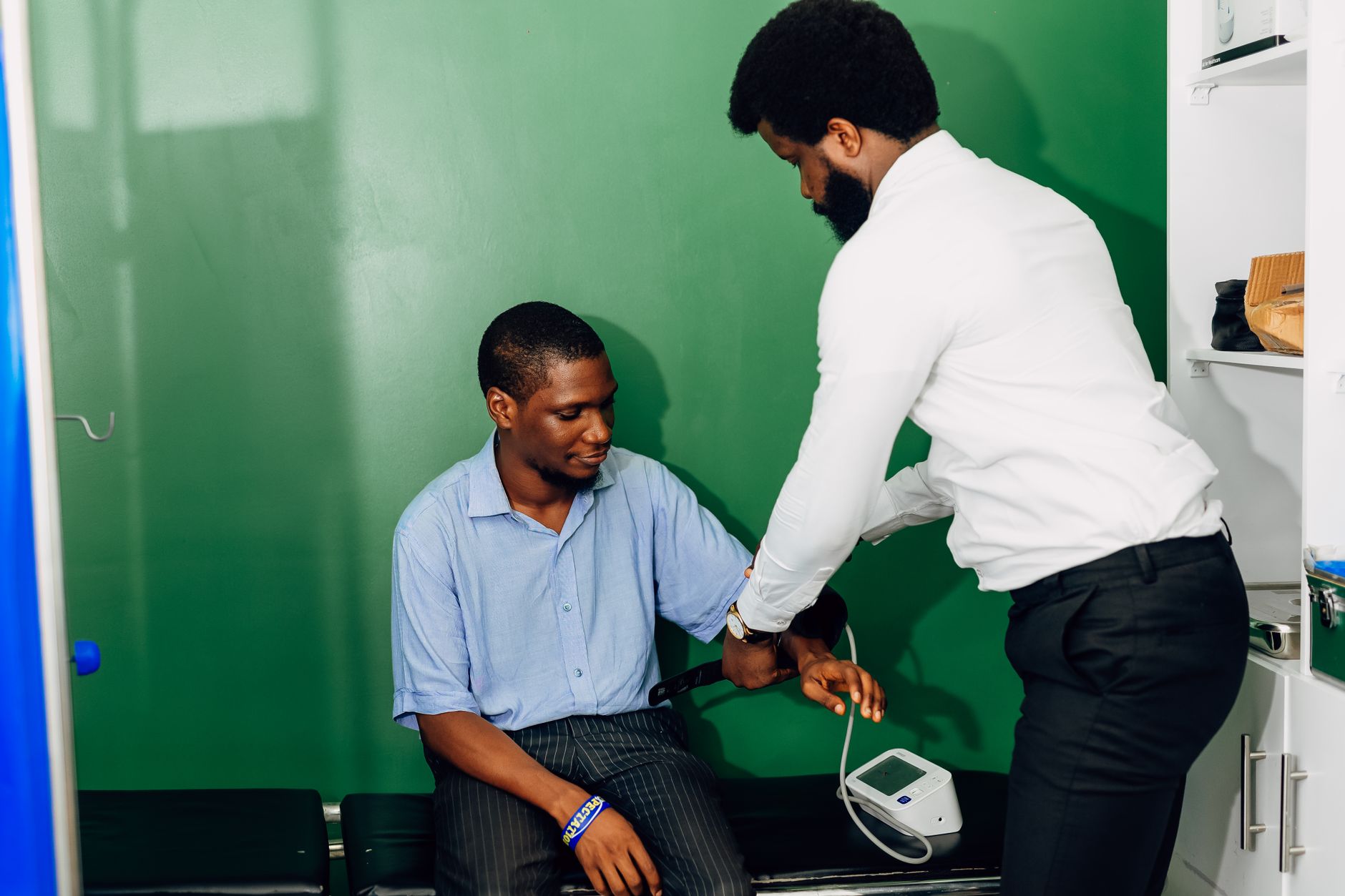
Your dedication to a nature-inspired lifestyle of whole foods, daily movement, and outdoor activity builds a powerful foundation for long-term vitality. Objective medical checkups do not contradict holistic living. Instead, they provide the essential biometric data needed to prove those natural habits are actively protecting your health.
Understanding how routine medical checkups actually support a balanced, nature-inspired lifestyle requires closing a common communication gap. For example, according to a 2022 poll from Harvard Health, two-thirds of Americans ages 50 to 80 use integrative medicine, yet very few discuss these habits with their primary care doctors. This silence prevents physicians from providing personalized care. By integrating conventional medical oversight with your natural wellness routines, you can catch silent, genetically linked issues early and optimize your daily habits based on hard data rather than guesswork.
Why Do I Still Need to See a Doctor if I Eat Clean and Exercise?
Eating clean, managing stress, and staying active build a strong physical foundation. However, even the healthiest daily habits cannot completely outsmart family history, genetics, or age-related metabolic shifts that happen beneath the surface.
You put significant effort into buying organic groceries, prioritizing sleep, and maintaining a regular fitness routine. These actions keep your body resilient and lower your overall risk for chronic illness. The blind spot in this approach is assuming that a healthy lifestyle acts as an impenetrable shield against all biological issues. Human biology is complex, and certain risk factors are programmed into our DNA. You can eat a perfectly balanced diet and still develop elevated cholesterol or thyroid imbalances simply because of your family history.
Validating that your holistic habits are working at a cellular level requires regular diagnostic blood panels, comprehensive metabolic screenings, and longitudinal biomarker tracking. Working with an experiencedprimary care physician in Las Vegas gives health-conscious patients access to preventive medicine, full thyroid and hormone evaluations, lipid profiling, and cardiovascular risk assessments under one roof. Establishing this clinical baseline allows your doctor to detect early insulin resistance, micronutrient deficiencies, or subclinical inflammation long before symptoms surface, letting you calibrate your nutrition and training protocols around objective lab data rather than guesswork.
What Are "Silent" Health Conditions?
Silent health conditions are diseases that progress internally for years without presenting any noticeable outward symptoms. Routine medical screenings are the only definitive way to detect these invisible roadblocks before they disrupt your active, healthy lifestyle.
An active person can feel perfectly fine while an underlying issue slowly develops. High blood pressure is widely known as the "silent killer" because it usually presents zero symptoms until it has already placed severe strain on the heart, blood vessels, kidneys, or brain. Similarly, early metabolic dysfunction and high cholesterol can build up over decades in people who look incredibly fit on the outside. These conditions do not care how many miles you run a week if your genetic predisposition leans toward lipid disorders or arterial plaque buildup.
The global impact of asymptomatic diseases is massive. According to data from the World Health Organization, noncommunicable diseases account for 74% of all deaths worldwide. Many of these conditions begin silently and progress unnoticed. Routine screenings eliminate the mystery. A simple blood test or blood pressure check acts as an early warning system, allowing you to deploy natural interventions, diet changes, or targeted therapies long before a silent condition becomes a medical emergency.
The Danger of Relying Solely on "Feeling Good"
Feeling energetic and vibrant is an excellent sign of overall health, but early-stage cellular or hormonal imbalances rarely make you feel sick. Without objective medical data, you risk missing genetically linked cardiovascular or metabolic diseases.
Subjective feelings are a great daily gauge of your wellness, but they are clinically limited. Your body is highly adaptable. It will compensate for declining organ function, hormonal drops, or nutrient deficiencies to keep you functioning normally. By the time a symptom like chronic fatigue, joint pain, or brain fog appears, the underlying imbalance has usually been present for months or even years.
Genetics play an undeniable role in this process. No amount of organic eating can completely rewrite a strong family history of heart disease, diabetes, or autoimmune disorders. The Centers for Disease Control and Prevention (CDC) clearly outlines why medical oversight remains necessary for everyone.
"You can't change your genes, but you can change unhealthy behaviors. If you have a family health history of disease, you may have the most to gain from these lifestyle changes and from preventive care practices, like regular checkups, vaccinations, and screening tests."
Proactive preventive care catches genetically linked problems early. This early detection gives you the largest window of opportunity to use lifestyle changes and natural therapies to reverse or manage the condition.
How Objective Biometric Data Enhances Your Natural Wellness Routine
Routine labs provide objective biometric baselines that guide your natural habits. This data can reveal a vitamin deficiency, a hormonal imbalance, or a need for better stress management, allowing you to fine-tune your diet and supplement intake.
Many health-conscious individuals view lab tests as a search for sickness. It is more accurate to reframe them as objective biometric baselines for wellness. When you know your exact numbers, you stop guessing about what your body needs. For example, you might drink green smoothies daily but still suffer from a hidden Vitamin D or B12 deficiency due to poor cellular absorption. A simple blood panel reveals this gap, allowing you to add a specific whole-food supplement to your routine.
This data directly informs and improves your natural habits. If your cortisol levels show you are in a state of chronic stress, you can prioritize meditation, yoga, or adaptogenic herbs. If your inflammatory markers are slightly elevated, you can increase your intake of Omega-3s and antioxidant-rich foods. Objective clinical data combined with natural remedies like personalized nutrition or IV nutrient therapy leads to peak longevity. Knowing your actual numbers brings deep peace of mind to your holistic journey, proving that your hard work is paying off.
Which Routine Screenings Are Essential for Holistic Living?
Essential screenings for holistic living include comprehensive wellness exams, metabolic tracking, and hormonal panels. These specific tests uncover the root causes of subtle symptoms like fatigue or brain fog, rather than just treating the surface.
Building a clinical baseline requires a few specific, targeted evaluations. These tests align with maintaining long-term, whole-body vitality.
- Annual Physicals & Comprehensive Wellness Exams: This is the foundational checkup. It establishes your resting heart rate, blood pressure, and lung capacity. Your doctor will also listen to your heart and review your family history to spot early physical warning signs.
- Metabolic & Longevity Screenings: These blood panels check fasting glucose levels, lipid profiles, and markers of inflammation like C-reactive protein. Tracking these numbers annually shows you exactly how your body processes the clean foods you eat.
- Hormonal & Nutritional Panels: These tests evaluate thyroid function, bioavailable hormones (like testosterone and estrogen), and essential vitamin levels. Hormonal balance is critical for sustaining energy, maintaining muscle mass, and protecting your mental health.
These specific screenings keep you proactive. If you start experiencing mild fatigue, your doctor can review your current panels against your baseline from three years ago. This historical data helps identify the true root cause of the shift, allowing for targeted, natural corrections.
How to Find a Doctor Who Respects Your Nature-Inspired Lifestyle
Look for a medical practice that explicitly champions whole-person care and evaluates interconnected lifestyle factors like sleep, stress, and nutrition. An ideal doctor merges standard evidence-based medicine with complementary wellness tools.
Many proactive wellness seekers avoid conventional clinics because they feel their lifestyle choices are dismissed. To find a collaborative partner, look for a primary care provider who prioritizes "time to talk." A good doctor rejects rushed, 10-minute appointments. They take the time to sit down, review your biometric data, and collaborate on sustainable, personalized wellness plans that align with your values.
Seek out a practice that offers an integrative blend of treatments. The ideal physician uses standard medical oversight to monitor your safety while offering complementary tools like bioidentical hormone therapy, peptide therapy, or medical weight loss. You should also consider modern care access models. Some practices accept standard health insurance while also offering unhurried, cash-pay membership options. These membership models provide the ultimate personalization and direct access to your doctor, ensuring your natural lifestyle is always supported by professional medical guidance.
Conclusion
A nature-inspired lifestyle and conventional medical checkups are not opposing forces. They are essential partners in your pursuit of longevity. Eating organic foods, staying active, and managing stress create the foundation for a vibrant life, but those habits cannot always outrun genetic predispositions or silent metabolic changes.
Routine lab work and preventive screenings protect your active lifestyle. They catch asymptomatic, genetically linked issues before they become symptomatic, giving you the power to adjust your diet, supplementation, and routines based on objective biometric data. By pairing your daily holistic habits with standard medical oversight, you remove the guesswork from your health journey. Take control of your long-term wellness today by scheduling an annual physical with an integrative provider to establish your clinical baseline.