
The Evolution and Benefits of Large Format Floor Tiles
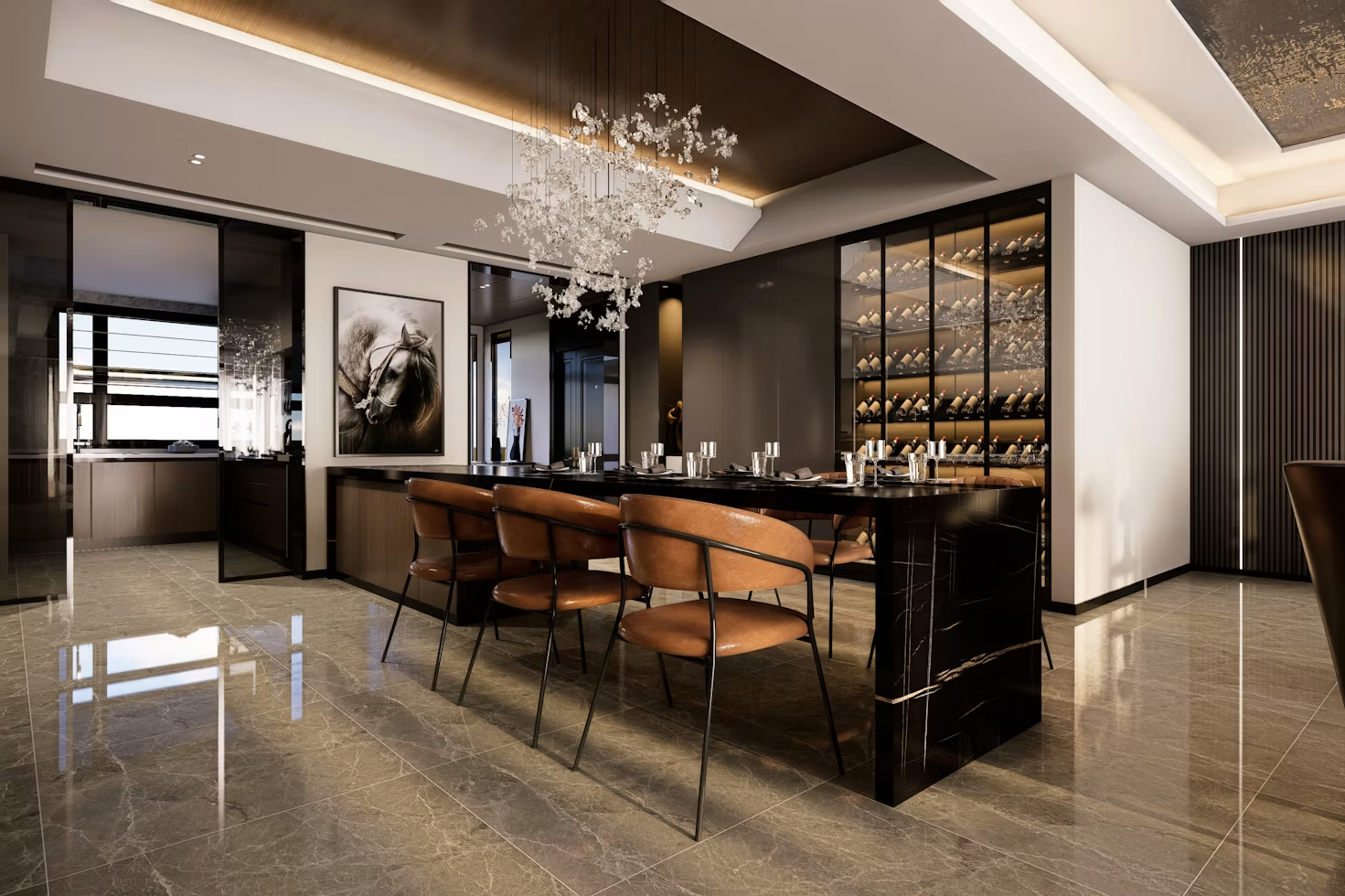
Large format floor tiles have become increasingly common in modern interior design. Larger than conventional tile sizes, they provide a more continuous surface while supporting a clean and contemporary look. Their combination of practical and aesthetic benefits has made them suitable for residential, commercial, and hospitality spaces.
Suppliers such as Futar Singapore provide a range of large format tiles in different materials, finishes, sizes, and designs, giving architects and homeowners more options when planning interior spaces.
Benefits of Large Format Floor Tiles
One of the main advantages of large format floor tiles is their ability to make a room appear more spacious. Because fewer tiles are required to cover a surface, there are fewer grout lines between them. This creates a more continuous appearance, which works particularly well in open-plan living areas, large commercial spaces, and contemporary interiors.
Fewer grout lines can also make flooring easier to maintain. Grout can collect dirt and may discolour over time, requiring regular cleaning. With fewer joints across the floor, large format tiles can reduce the amount of grout that needs attention and create a cleaner overall surface.
These tiles can also provide greater design consistency. When the same tile is used across connected areas, the reduced number of visible joints can help create a sense of continuity between rooms.
Material and Design Options
Large format floor tiles are available in a range of materials, allowing them to accommodate different design requirements. Porcelain is a common option because of its durability, low water absorption, and suitability for various applications. Depending on the finish, porcelain tiles can create different visual effects, ranging from understated matte surfaces to polished designs.
Natural stone is another option for large format applications. Materials such as marble and granite can introduce distinctive patterns and textures to an interior. Since natural stone contains variations in colour and veining, each surface can have a different appearance.
Manufacturing technology has also expanded the range of available designs. Digital printing allows porcelain and other tile materials to replicate the appearance of wood, marble, stone, and other surfaces. This allows designers to achieve a particular style while selecting a material suited to the practical requirements of the space.
Installation Considerations
Large format floor tiles require careful installation because their size and weight make them more difficult to handle than standard tiles. Proper preparation of the installation surface is particularly important. An uneven substrate can cause alignment problems and may become more noticeable when larger tiles are installed.
Professional installation can help address these challenges. Installers need to consider tile positioning, substrate preparation, adhesive coverage, movement joints, and grout spacing to achieve a stable and even surface.
The adhesive used should also be appropriate for the tile size, weight, and installation location. Selecting the correct adhesive helps establish a reliable bond between the tile and substrate. Grout should similarly be chosen based on the tile design and the requirements of the space.
Acoustic and Thermal Performance
Large format tiles can also contribute to the functional performance of an interior. Their dense construction can help support sound control when incorporated into an appropriate flooring system, although overall acoustic performance depends on the building structure and other materials used.
Tiles can also work effectively with underfloor heating systems. Their thermal properties allow heat to transfer through the flooring, providing an even source of warmth. This application is particularly relevant in climates where underfloor heating is commonly used.
Sustainable Tile Options
Sustainability has become an important consideration in building and interior design. Some tile manufacturers now offer products made with recycled materials or manufacturing processes designed to reduce waste and resource consumption.
For environmentally conscious projects, factors such as material composition, manufacturing methods, product lifespan, and installation waste can all influence the overall sustainability of a flooring choice. Durable tiles may also reduce the need for frequent replacement, helping to extend the useful life of the flooring.
Current Large Format Tile Trends
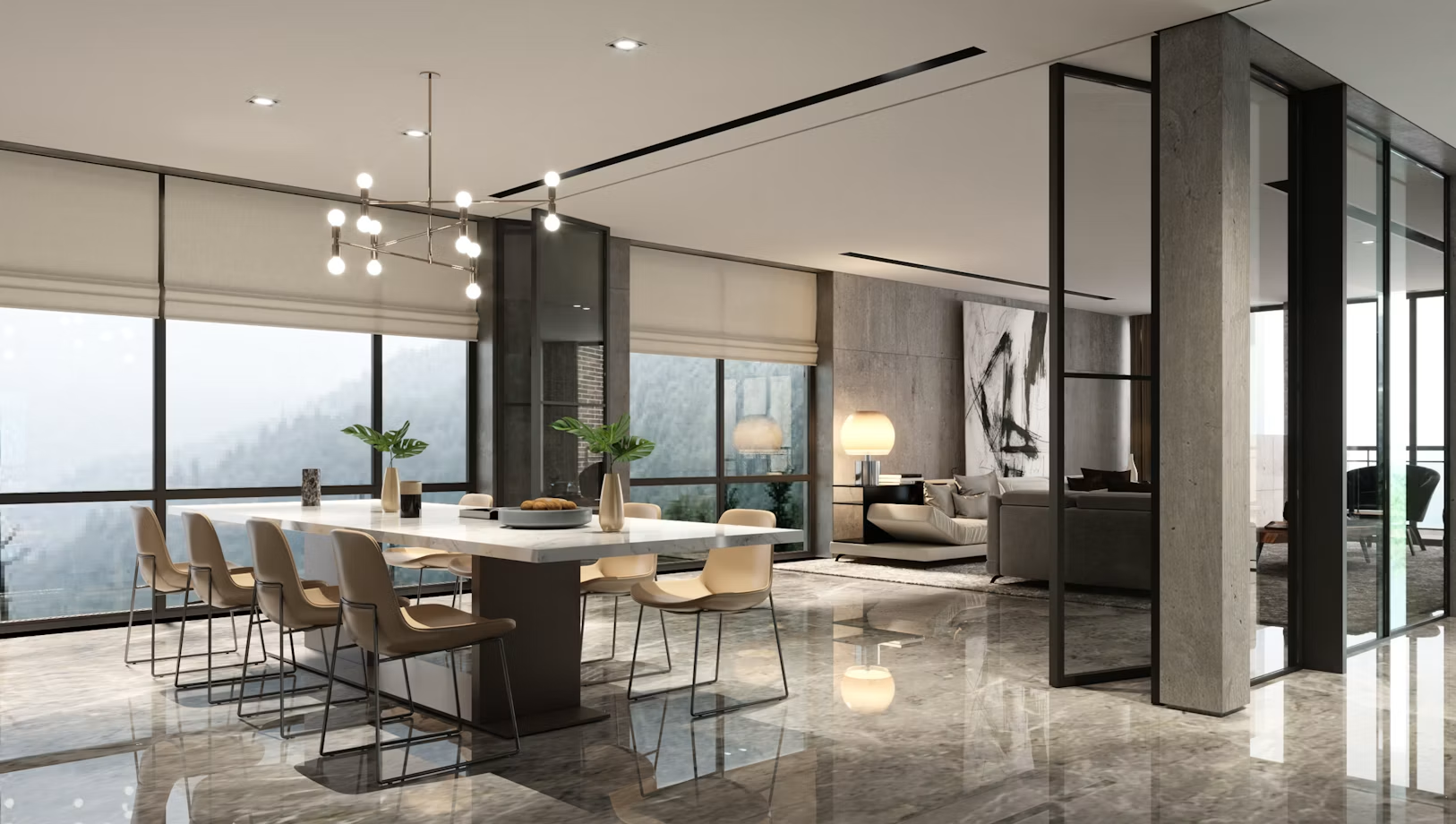
Large format tiles continue to evolve in terms of appearance and application. One notable trend is the use of tiles that reproduce natural materials, particularly marble, timber, and stone. These designs provide the visual characteristics of natural surfaces while offering the performance and maintenance characteristics of manufactured tiles.
Bold patterns and geometric designs are also being incorporated into contemporary interiors. When used selectively, patterned large format tiles can become a focal point in a room without requiring additional decorative elements.
Neutral colours and stone-inspired finishes remain suitable for minimalist interiors, while darker tones and distinctive patterns can be used to create stronger visual contrast. The wide range of available finishes allows large format tiles to complement different architectural styles.
Applications in Residential and Commercial Spaces
The versatility of large format floor tiles allows them to be used across a variety of settings. In homes, they can be installed in living rooms, kitchens, bathrooms, hallways, and other areas where a continuous flooring appearance is preferred.
In commercial environments, large format tiles can be suitable for offices, retail spaces, hotels, restaurants, and other high-traffic areas. The choice of tile material and finish should be based on factors such as foot traffic, moisture exposure, cleaning requirements, and the intended appearance.
When selected and installed appropriately, large format tiles can combine practical flooring requirements with a consistent interior design approach.
Conclusion
Large format floor tiles have become an established option in contemporary interior design because they combine appearance, durability, and practical functionality. Their reduced grout lines can create a more continuous surface, while the wide selection of materials, finishes, colours, and patterns provides flexibility for different design concepts.
Successful installation depends on proper substrate preparation, suitable materials, and professional handling. With the growing availability of sustainable products and advanced surface designs, large format tiles continue to provide practical flooring solutions for both residential and commercial projects.
1 thought on “The Evolution and Benefits of Large Format Floor Tiles”