
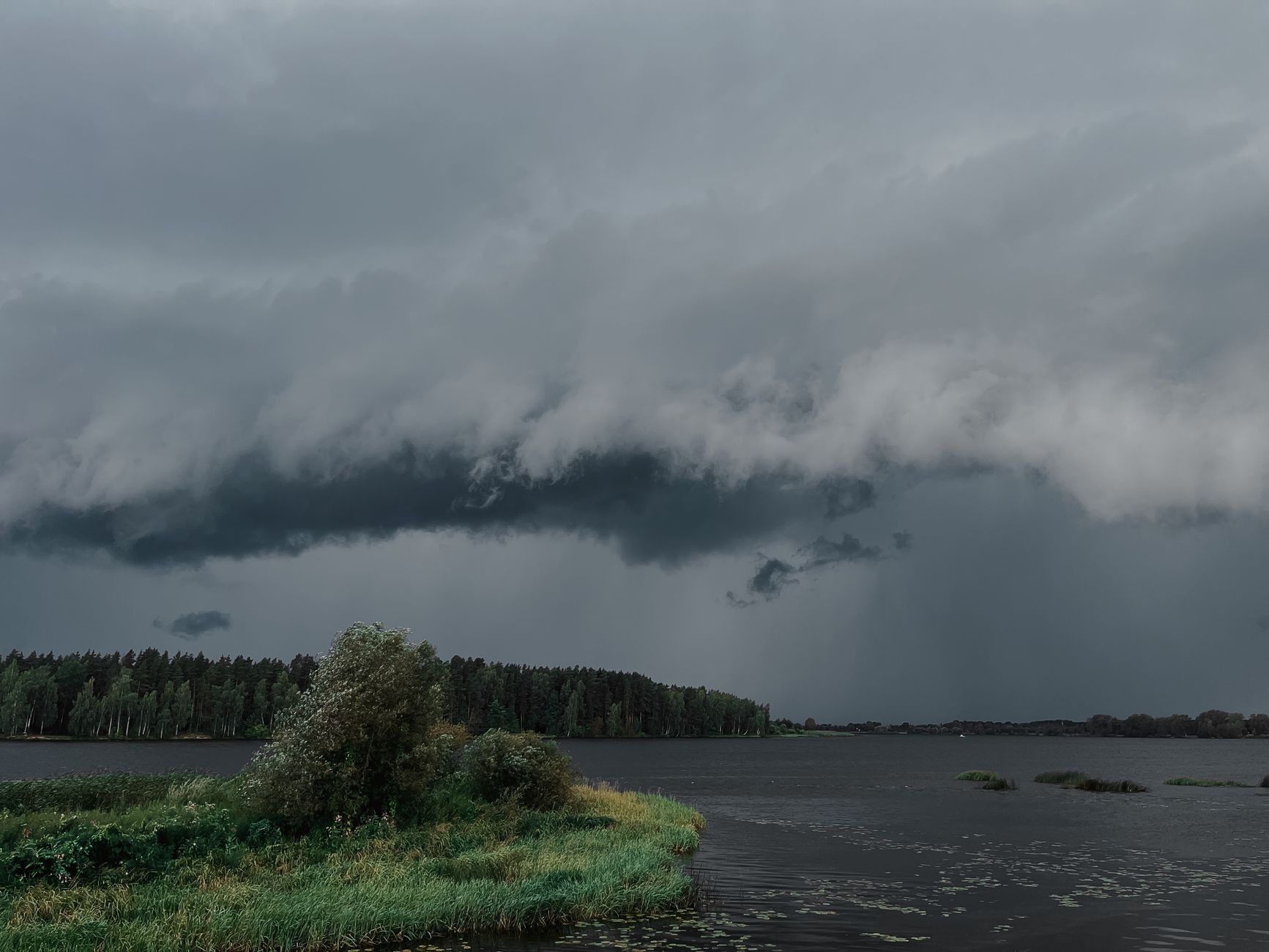
Forty-three percent of coastal homeowners wait until the week before a named storm to think about protection. By then, contractors are booked, materials are backordered, and the smartest upgrades — the ones that would have actually mattered — are physically impossible to complete in time. If you own property anywhere along the Grand Strand or the Lowcountry, that math is worth sitting with for a moment.
The good news is that storm-proofing a home is not a single project. It's a sequence of decisions, each one building on the last, and most of them are far less expensive when they're made outside of panic mode. This guide walks through that sequence honestly, starting with the part of your home that fails first.
Table of Contents
- Why the Roof Is Always the First Domino
- The Scale of the Problem — and Why It Keeps Growing
- Hail Is the Damage Nobody Plans For
- The ROOF-FIRST Framework for Coastal SC Homes
- Timing Your Upgrades: What the Season Actually Looks Like
- A Concrete Example: The 1998 Murrells Inlet Ranch
- The Decision That Protects Everything Else
Why the Roof Is Always the First Domino
Ask any contractor who works in Horry or Georgetown County what they see after a major storm and the answer is almost always the same: it starts with the roof. Once the roof fails, water gets into the structure, and the interior damage piles up faster than any single policy can comfortably cover.
South Carolina's coastal geography, combined with its position in the Atlantic hurricane belt, creates one of the most demanding wind-load environments for residential and commercial roofing in the continental United States. That's not marketing copy. It's the operating reality for anyone choosing roofing materials here.
The table below shows how the three most common residential roofing materials perform in South Carolina's coastal conditions:
|
Material |
Rated Wind Speed |
Hail Resistance |
Best Use Case |
|
Standard Asphalt Shingles |
Up to 90 mph |
Low (Class 1–2) |
Inland, low-risk zones |
|
Impact-Resistant Shingles |
Up to 130 mph |
High (Class 4) |
Coastal SC standard build |
|
Standing Seam Metal |
180+ mph |
Very High |
Primary coastal residences, premium builds |
Asphalt shingles must carry a Class H wind rating (130 mph) under ASTM D3161 or D7158 to be code-compliant in coastal South Carolina. That's the floor. If your home was built before 2000, there's a reasonable chance it doesn't meet that standard, and meeting code minimum is not the same as being well-protected.
The Scale of the Problem — and Why It Keeps Growing
A lot of homeowners treat severe weather as a freak event. The data says otherwise. In 2024, the United States experienced 27 separate weather or climate disasters that each resulted in at least $1 billion in damages , according to NOAA's National Centers for Environmental Information. The annual average for the most recent five years (2020–2024) is 23 such events, compared to a 1980–2024 average of just 9 events per year. The trend is not subtle.
South Carolina sits squarely in that trend. Between the 2010–2012 and 2020–2022 periods, South Carolina saw a 109.4% increase in the number of tornadoes — one of the sharpest spikes of any state in the country. Combine that with the annual hurricane threat and you get a risk profile that makes serious structural investment genuinely worth the money.
Hail Is the Damage Nobody Plans For
Wind gets the headlines. Hail does the quiet, expensive work. Homeowners routinely underestimate it because hail damage often doesn't look catastrophic from the ground. Your shingles can take a beating that shortens their lifespan by a decade and you might never see it without binoculars or a drone.
The Insurance Institute for Business and Home Safety conducted a detailed post-event investigation after a 2024 storm struck Rock Hill, South Carolina. On April 20, 2024, that storm produced severe hail up to 2.25 inches in diameter that damaged structures, along with 80–90 mph wind gusts that downed trees and powerlines. One storm. One afternoon. Widespread structural claims across an entire county.
"The performance of conventional asphalt shingles deteriorates with age, and older shingles in the path of a significant hail event show substantially higher damage rates than newer installations."
— Insurance Institute for Business and Home Safety, Rock Hill SC Claims Analysis, 2025
That finding matters practically. If your shingles are pushing 15 years old, they're not just cosmetically worn. They're structurally more vulnerable to the next hailstorm that rolls through Horry County. A proactive replacement with Class 4 impact-resistant shingles is a better investment than waiting for a claim to force the issue.
The ROOF-FIRST Framework for Coastal SC Homes
Most homeowners approach storm-proofing by grabbing the first product they see at a home improvement store. That's backwards. The smarter sequence prioritizes by failure mode: what breaks first, what lets everything else fail, and what protects your livability if everything else goes wrong. Here's the framework, in order.
Roof assembly first. Cover, deck sealing, edge metal, and attachment — all four components need to meet coastal standards before anything else matters. A perfectly installed impact window means nothing if the roof decking lifts and water pours through.
Openings second. The most important thing you can do to improve the chance your home will survive a hurricane, after the roof, is to protect all windows and doors. Impact-rated glass is the permanent solution. Storm shutters work for primary residences where someone is always home. For vacation properties and rentals, impact windows are the only reliable option.
Connections third. Hurricane straps and roof-to-wall connectors are the unsexy upgrade that experienced contractors care about most. They anchor the roof structure to the walls, which anchors the walls to the foundation. Strengthening your roof starts with practical upgrades like installing hurricane straps to anchor the roof securely to your home's structure. This work is done from inside the attic and can be retrofitted to almost any existing home.
Garage door fourth. The garage door is statistically the largest single opening on most homes and one of the most common points of failure in high-wind events. Bracing kits are available and relatively affordable.
FORTIFIED certification last. Once the components are in place, a FORTIFIED Roof designation from IBHS formalizes the whole system through third-party inspection. Many South Carolina insurers offer premium discounts for certified homes, and reviewing your South Carolina storm insurance alongside that certification is a natural next step — you may find your coverage options and pricing both shift in your favor.
Timing Your Upgrades: What the Season Actually Looks Like
Atlantic hurricane season runs June 1 through November 30, with peak intensity in August and September. Hail season in the Carolinas leans toward spring. According to NOAA's Storm Prediction Center, May and June are the peak months for the occurrence of large hail storms , which means your roof is running a two-front risk profile across nearly eight months of the year.
The National Weather Service reports that in a typical year, more than 1,200 tornadoes occur throughout the United States and nearly 12,000 reports of wind and hail are received from local law enforcement and the public. The volume of events happening nationally each season makes a strong case for not treating storm preparedness as a one-time checkbox.
The practical implication for SC homeowners: schedule roofing inspections in March before hail season peaks, and complete any structural work before June. Contractors in the Myrtle Beach and Murrells Inlet areas book up fast once the forecast turns active.
A Concrete Example: The 1998 Murrells Inlet Ranch
Picture a 1,900-square-foot ranch built in Murrells Inlet in 1998. The original three-tab shingles were replaced once, in 2009, but with standard asphalt — not impact-resistant. There are no hurricane straps visible in the attic. The garage door is original. The windows are single-pane with plywood shutters stored in the back of a closet.
That home has four legitimate vulnerabilities, in order: the shingles, the connections, the garage door, and the windows. A full upgrade to Class 4 shingles with a sealed deck, hurricane strap installation, a wind-rated garage door, and impact glass on the front two windows would address the highest-risk gaps without requiring a full renovation budget. The sequencing matters. Don't start with the windows while the roof sheathing is still unsealed — you're protecting the interior of a structure that's already compromised at the top.
The Decision That Protects Everything Else
Physical upgrades reduce damage. They don't eliminate risk entirely. After you've worked through the ROOF-FIRST sequence, the last layer of protection is knowing exactly what your policy covers before a storm, not after. Coastal South Carolina's mix of wind exposure, hail risk, and hurricane corridor position makes this a conversation worth having with a local agent who actually understands the regional nuances.
Start with the roof. Confirm your connections. Then look hard at your coverage. In that order, you're building something that actually holds together when the next storm comes through.
3 thoughts on “Storm-Proofing a Home on the South Carolina Coast: What Actually Works”