
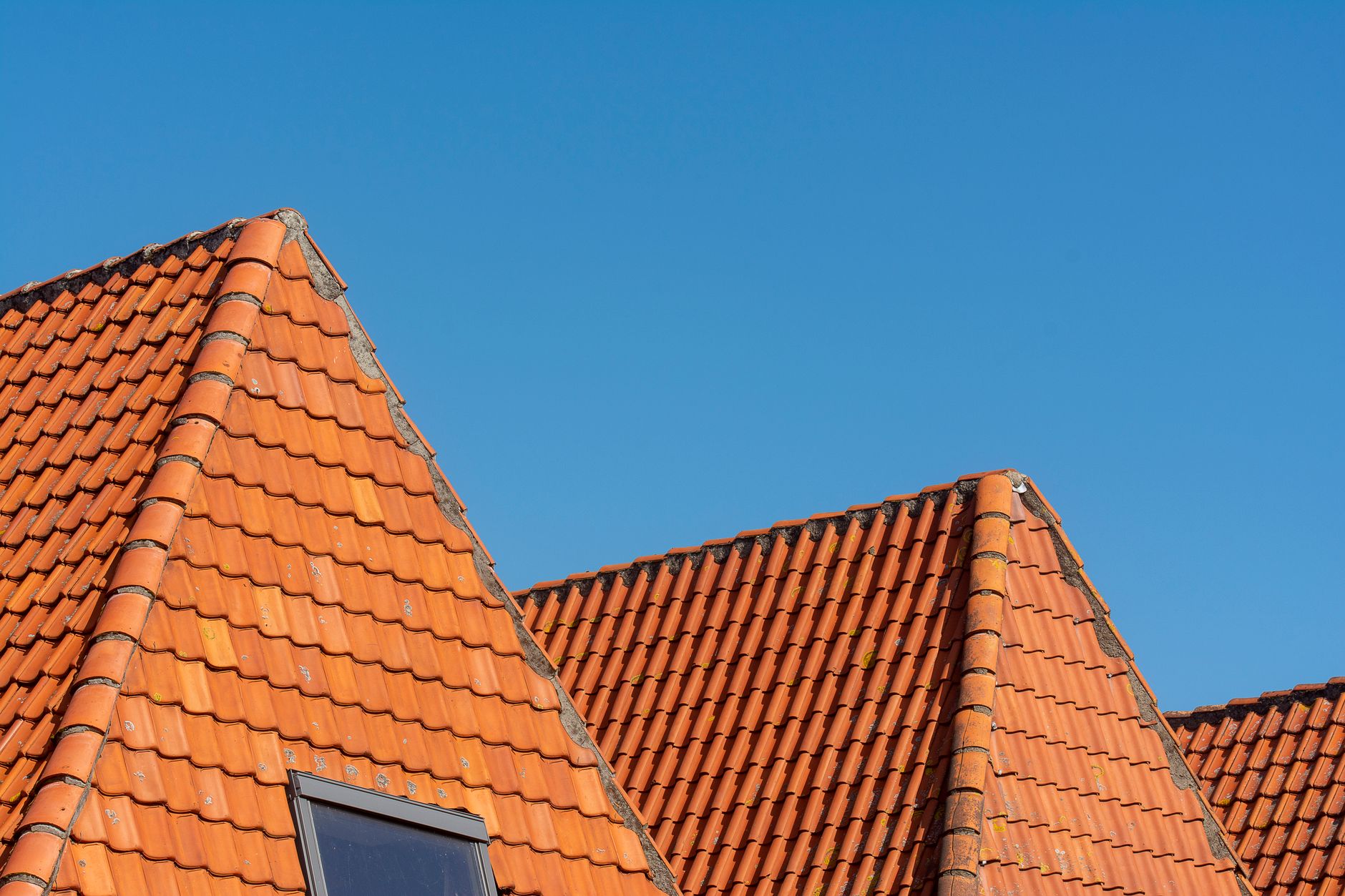
The first bid was $9,200. The second one, from a company with a real office and a truck with a magnet sign instead of a hand-painted door, came in at $19,400. Same house, same shingle color, same week.
If you have ever sat at your kitchen table holding two pieces of paper like that, you already know the feeling. One number makes you suspicious of the other, and neither one tells you what you are actually buying. Most homeowners assume the cheap bid is a scam or the expensive bid is a rip-off. Usually neither is true. What you are looking at is two different definitions of the word "roof," priced by two companies with very different overhead, insurance costs, and appetite for callback work. Learning how to choose a roofer starts with understanding why the numbers split, because once you can see what is inside each figure, the decision stops being about price and starts being about risk.
I have walked through hundreds of these comparisons with homeowners, and the honest answer is that a roofer charging double is often worth it, and sometimes absolutely is not. The trick is knowing which one you are dealing with before you sign anything. So here is the breakdown, line by line.
Table of Contents
What Is Actually Inside a Roofing Bid?
A roofing quote is just four cost buckets stacked on top of each other: materials, labor, disposal, and everything else that keeps the business alive. The materials bucket is the one homeowners fixate on, and it is the one that varies the least. Asphalt shingles cost roughly the same whether you buy them in Dallas or Denver, because there are only a handful of manufacturers and every contractor buys from the same distributors.
The labor bucket is where the gap starts. A crew that has been together for five years installs faster, wastes less material, and makes fewer mistakes than a crew assembled from a day-labor pickup lot that morning. The experienced crew costs more per hour and finishes in two days instead of four. You pay for the speed and the clean flashing details either way.
Disposal is boring and expensive. Tear-off weight, dumpster fees, and landfill charges vary wildly by region, and a contractor who underbid disposal is a contractor who will ask you for more money on day three.
Then there is overhead. Insurance, permits, office staff, warranty reserves, and the truck that actually shows up when you call in year four. That last part is the whole ballgame. A company that has been operating since 2009 with a local crew carries costs a storm-chaser with a rented trailer does not, and those costs are what fund the callback when a vent leaks in eighteen months.
The Three Quote Shapes (and What Each One Hides)
After enough of these, bids sort themselves into three recognizable shapes. I call this the Three Quote Shapes framework because it is genuinely how they fall out, and once you spot the shape you know what question to ask next.
- The skinny bid. One page, one number, no line items. Nothing about decking, underlayment brand, ice and water shield, or ventilation. It is not always dishonest, but it is always incomplete, and incomplete bids grow after the tear-off starts.
- The padded bid. Twenty line items, several of which are nice-to-haves dressed up as requirements. Premium underlayment is real value. A "roof health package" with no description is not.
- The calibrated bid. Line items you can compare directly against the other two bids, with brand names, quantities, and a clear scope statement. This is the one you want, even if it is not the cheapest.
Your job is not to pick the lowest number. Your job is to get every bid into the calibrated shape so you can compare apples to apples. Ask each contractor for a written scope that lists products by brand, quantities in squares, what gets replaced versus reused, and how long the work warranty runs. Anyone who cannot produce that in writing is telling you something useful about how the job will go.
How Do You Spot a Quote That Will Grow?
Look for the words that are missing. A bid that says "replace damaged decking as needed" without a per-sheet price is an open tab. A bid that excludes permits is a bid where you become the permit runner. A bid that never mentions attic ventilation is a bid that may leave you with a hot second floor and a warranty argument in year three.
Roofing work has a long tail of legal and financial exposure, which is why the industry runs on written contracts, permits, and insurance certificates rather than handshakes. According to the Federal Trade Commission, home improvement contracts must be in writing when they involve significant work, and you have specific rights around cancellation and financing terms. A contractor who shrugs at that is not saving you paperwork. He is shifting risk onto you.
Ask for three things before you compare numbers: a copy of the license, a certificate of insurance with you listed as certificate holder, and a written scope. Then read the exclusions out loud. The exclusions are where the real price lives.
What Separates a $9,000 Roof From a $19,000 Roof
Here is a concrete scenario I have watched play out more than once. Neighborhood gets hit by hail. Six companies knock on doors in a week. Two of them are out-of-state crews who will be in the next zip code by Friday. Their bid is low because their overhead is a hotel room and a trailer, and their warranty is a phone number that stops working in November.
The local company's bid is higher because it carries general liability coverage, pays workers compensation premiums, pulls permits, and keeps a service crew on payroll for the storm-season callbacks that follow every big weather event. According to the Bureau of Labor Statistics, roofing is one of the more physically demanding and higher-risk construction trades, which is exactly why legitimate contractors carry real insurance costs that a fly-by-night operation skips.
Neither bid is lying. They are pricing different promises. The cheap one promises a roof that looks fine in photos. The expensive one promises a company you can reach in year five. That difference is worth real money, though not unlimited money.
A Simple Way to Sanity Check Any Bid
Pull median home values for your zip code from the U.S. Census Bureau and think in terms of percentage. A full tear-off and replacement on a typical single-family home generally lands somewhere in the low single digits as a percentage of home value, and the number moves up with roof complexity, pitch, and how many layers are coming off. If a bid lands far below that band, ask what is excluded. If it lands far above it, ask what is included that the others left out.
This will not give you a precise number, and anyone who promises a precise number from a phone call is guessing. What it gives you is a filter. Three bids inside a reasonable band, all written in the calibrated shape, is a real decision. One bid way below the rest is a question, not a bargain.
Before You Sign
Get the scope in writing with brand names and quantities. Confirm the license and insurance. Ask how long the workmanship warranty runs and whether it transfers if you sell the house. Ask who handles the permit and who handles disposal. Ask what happens if they find rotted decking, and get the per-sheet price in the contract. Then call the last three customers and ask one question: did they come back when something went wrong?
That one question separates the two bids faster than any spreadsheet.
If you want the shortest version of this whole thing: the low bid and the high bid are usually not competing on the same job. One is selling you a completed project, the other is selling you a start date. Pick the contractor who can tell you exactly what you are buying, then pay them fairly for it.