
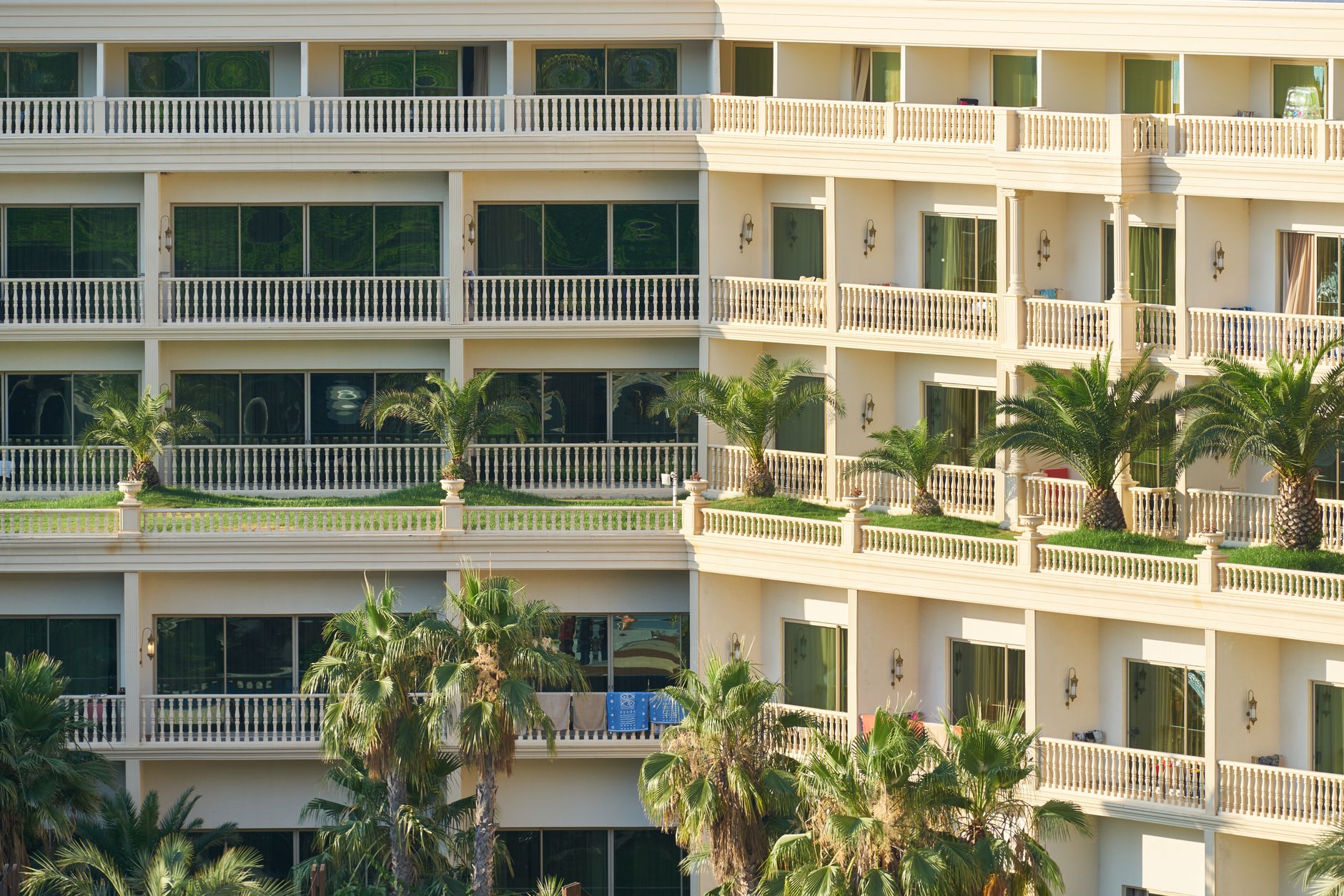
A standard hotel room works fine for a single overnight stay. Stretch that same stay to four nights, a week, or longer, and the limitations start to show quickly , nowhere to properly store groceries, no real place to sit and work or relax outside of a bed, and a general sense of living out of a suitcase that gets old fast. This is exactly the gap that apartment-style hotels in Collingwood and similar boutique properties are designed to fill, offering a format built specifically around the realities of staying somewhere for more than just a night or two.
Table of Contents
- Standard Hotel Rooms Aren't Designed for Extended Living
- A Kitchen or Kitchenette Changes the Entire Experience
- More Space Supports Better Rest and Genuine Relaxation
- Apartment-Style Suites Suit a Wider Range of Travelers
- Privacy and a Residential Feel Support Longer Comfort
- Amenities Built for Repeated Daily Use
- The Bottom Line
Standard Hotel Rooms Aren't Designed for Extended Living
Traditional hotel rooms are optimized for short, transactional stays , a bed, a bathroom, a small desk, and just enough space to unpack an overnight bag. This layout works well for a single night, but it quickly becomes impractical for longer visits, when guests need genuine living space rather than simply a place to sleep between activities.
Apartment-style accommodations are built around a fundamentally different assumption: that guests staying multiple nights need functional living space, not just a bed. This distinction shapes everything from room layout to amenities, resulting in a format that actually supports the way people live during an extended stay, rather than forcing them to adapt to a format designed for a single overnight.
A Kitchen or Kitchenette Changes the Entire Experience
One of the most significant differences apartment-style accommodations offer for longer stays is access to a kitchen or kitchenette. Eating every meal at a restaurant becomes expensive and repetitive over an extended stay, and having the ability to prepare simple meals, store groceries, and keep drinks and snacks on hand makes a multi-day stay feel considerably more sustainable and comfortable.
This isn't just about cost savings, though that's a real factor. It's about the ability to maintain a semblance of normal daily routine , making coffee in the morning, having a simple breakfast, keeping leftovers from a restaurant meal , that a standard hotel room simply doesn't accommodate.
More Space Supports Better Rest and Genuine Relaxation
Extended stays benefit enormously from having actual room to spread out, rather than confining a multi-day visit to the footprint of a single hotel room built for overnight use. Separate living and sleeping areas, more generous square footage, and thoughtful layout all contribute to a stay that feels like genuine, comfortable living rather than an extended camping trip in a cramped space.
This extra space matters especially for longer stays, since the cumulative effect of feeling cramped compounds over several days in a way that's barely noticeable during a single overnight visit.
Apartment-Style Suites Suit a Wider Range of Travelers
The extended-stay format works well across a genuinely broad range of situations , couples looking for a slower, more immersive getaway, families needing space to spread out during a longer vacation, and groups of friends or colleagues sharing a suite for a retreat or extended visit. Traditional hotel rooms, built around a single or double occupancy model, don't flex nearly as well across these different group compositions and lengths of stay.
This flexibility makes apartment-style accommodations a genuinely practical choice for a wide variety of travel purposes, rather than serving only one narrow type of extended-stay traveler.
Privacy and a Residential Feel Support Longer Comfort
Apartment-style hotels typically offer a more private, residential feel than a standard hotel floor, with fewer shared corridors and a layout that feels more like staying in someone's well-designed home than passing through a transient hotel space. This residential quality matters more the longer a stay lasts, since guests settle into a rhythm that benefits from feeling genuinely at home rather than perpetually aware they're occupying temporary hotel space.
Amenities Built for Repeated Daily Use
Beyond the suite itself, apartment-style properties often build their broader amenities around the needs of guests staying multiple days , comfortable common areas meant to be used repeatedly rather than passed through once, and services designed around ongoing convenience rather than a single check-in and checkout. A private outdoor courtyard, for example, becomes considerably more valuable to a guest staying five nights, who can genuinely make it part of their daily routine, than to someone staying only a single overnight.
The Bottom Line
Extended stays have fundamentally different needs than a single overnight visit, and apartment-style accommodations are specifically designed to meet those needs , more space, functional kitchens, a residential feel, and amenities meant for repeated, daily use rather than a single pass-through. For travelers planning anything longer than a quick overnight trip, choosing accommodations actually built around extended stays, rather than adapting a standard hotel room to fit a longer visit, makes a meaningful difference in how comfortable and enjoyable that time away actually feels.