
A healthy garden needs the right amount of water at the right time. Too little water can leave grass dry, weaken plants, and slow growth. Too much water can wash away nutrients, encourage root problems, and increase water waste. However, knowing exactly how much water your garden receives is not always easy. This is where a water flow meter becomes a useful tool for homeowners, gardeners, and anyone managing an outdoor irrigation system.
Whether you water a small backyard lawn, maintain raised garden beds, or operate a larger irrigation setup, measuring water consumption helps you make better decisions. Instead of guessing how much water passes through a garden hose or sprinkler, you can use actual readings to improve your watering routine.
A water flow meter can also help identify changes in water use, compare different watering methods, and prevent unnecessary waste. With a few simple adjustments, measuring outdoor water flow can make garden care more efficient and predictable.
Table of Contents
What Is a Water Flow Meter?
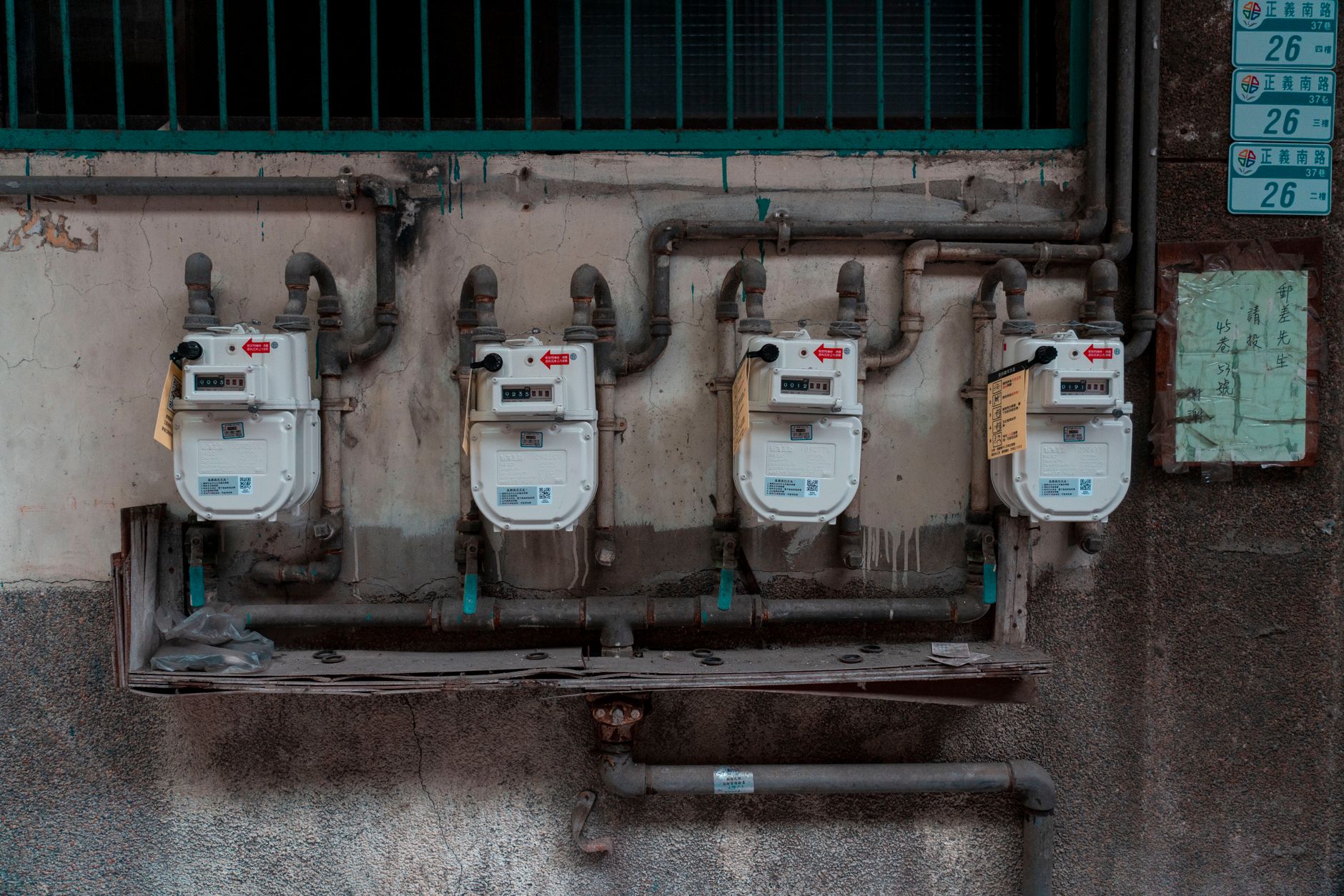
A water flow meter is a device that measures how much water moves through a pipe, hose, or irrigation line. Depending on its design, it may display the total volume of water used, the current flow rate, or both.
For garden applications, these measurements are especially helpful because outdoor watering can vary from day to day. A lawn sprinkler might run for 20 minutes, while a vegetable garden may need shorter watering sessions in specific areas.
A hose-mounted meter can help you understand how much water these activities actually use. Some models attach directly to a garden hose, making them convenient for everyday outdoor watering. Other meters are designed for permanent installation in irrigation pipes or larger watering systems.
The main purpose is simple: replace guesswork with useful measurements.
Why Measuring Garden Water Usage Matters
Many gardeners follow a regular watering schedule without checking how much water their plants receive. Although a schedule provides consistency, it does not always account for changing weather, soil conditions, or the needs of different plants.
Measuring water use helps solve this problem in several ways.
1. Prevent Overwatering
Overwatering is a common garden problem. Soil that stays wet for too long may restrict oxygen around plant roots and create conditions that encourage root diseases.
A flow meter helps you measure the amount of water delivered during each session. You can use this information alongside soil moisture checks to decide whether your lawn or garden needs less water.
For example, if you discover that a garden bed receives plenty of water during a short watering session, you may not need to run the hose as long.
2. Reduce Unnecessary Water Consumption
Watering for longer than necessary wastes a valuable resource. This is particularly important during hot weather, drought conditions, or periods when local watering restrictions apply.
By tracking irrigation water consumption, you can compare your usual watering sessions and identify opportunities to reduce use without harming your plants.
A meter can also help you notice unexpected increases in consumption. A leaking hose connection, damaged sprinkler, or forgotten watering session may explain why more water is being used than usual.
3. Improve Lawn Care
Lawns need enough water to support healthy root growth, but their requirements depend on grass type, soil, rainfall, and temperature.
A water flow meter makes it easier to measure the water supplied by a sprinkler system. When you combine the reading with the area being watered, you can estimate how much water is applied to your lawn.
This information can help you build a more consistent watering plan and avoid relying entirely on fixed timer settings.
4. Compare Watering Equipment
Different sprinklers and irrigation tools deliver water at different rates. A rotating sprinkler, a spray nozzle, and a drip irrigation system may use different amounts of water over the same period.
Measuring flow allows you to compare these options using real results. You can then choose equipment and settings that meet your garden's needs while limiting waste.
How to Use a Water Flow Meter for Outdoor Irrigation
Installing and using a garden flow meter is usually straightforward. Many hose-mounted models connect between an outdoor faucet and a garden hose, allowing you to measure water as it moves toward your sprinkler or watering nozzle.
Follow these steps to get useful readings.
Step 1: Choose the right meter. Select a model that matches your hose connection, expected water flow, and measurement needs. Check whether it displays gallons, liters, or both.
Step 2: Attach the meter. Connect it securely to the outdoor faucet or hose according to the manufacturer's instructions. Check the connections for leaks before beginning.
Step 3: Measure a watering session. Turn on the water and record the volume used to water your lawn, flower beds, or vegetable garden. Some meters also show the current flow rate.
Step 4: Compare your results. Record readings from several sessions. Compare how much water different areas need and adjust your watering duration where appropriate.
Step 5: Review your routine. Use the readings alongside rainfall, soil moisture, and plant health to improve your watering schedule.
Choosing a RESTMO Water Flow Meter
Gardeners looking for a convenient hose-mounted option can explore the RESTMO water flow meter range. These products are designed for outdoor applications such as garden hose watering, lawn sprinklers, and irrigation management.
Depending on the model, features may include an LCD screen, flow-rate readings, session consumption tracking, and cumulative water-use measurements. Some options also provide smart connectivity for reviewing water usage through a mobile device.
When choosing a model, consider how frequently you water, whether you need to monitor multiple garden areas, and how easily you can read the display outdoors. A simple meter may be sufficient for occasional watering, while a connected model could be useful if you want to review usage patterns over time.
The most important feature is not the number of functions available. It is whether the meter provides measurements that help you make better watering decisions.
Practical Ways to Improve Outdoor Watering Efficiency
A water flow meter works best when you combine its readings with sensible garden care practices.
Water During Cooler Hours
Watering early in the morning often reduces evaporation compared with watering during the hottest part of the day. This gives more water an opportunity to reach the soil instead of being lost to heat and wind.
Check Sprinkler Coverage
Watch your sprinkler while it operates. If it waters the driveway, pavement, or other areas without plants, adjust its position or spray pattern. A flow meter can help you measure consumption before and after making these changes.
Use Drip Irrigation Where Appropriate
Drip irrigation delivers water near plant roots through small emitters or tubing. It can be useful for vegetable beds, shrubs, and container gardens because it directs water toward the soil rather than spraying a broad area.
Measure water use for each setup to understand which approach works best for your garden.
Inspect Hoses and Connections
Small leaks can waste water over time. Check hose fittings, connectors, sprinkler heads, and irrigation lines regularly. Unexpected changes in meter readings may help you identify a problem that deserves closer inspection.
If your outdoor watering area also uses electrical equipment, keep power connections away from water and wet ground. An outdoor extension cord should be rated for outdoor use and positioned according to its safety instructions, away from sprinklers, puddles, and hose connections. Never handle electrical plugs with wet hands.
Adjust Watering After Rain
Rainfall may reduce the amount of additional irrigation your garden needs. Check the soil before starting your next watering session, particularly after heavy rain. A meter helps you track the water you add, while soil checks help you decide whether more water is necessary.
What to Consider Before Buying a Water Flow Meter
Not every meter suits every irrigation setup. Before purchasing one, consider these important factors:
- Measurement accuracy: Choose a meter with a stated accuracy range appropriate for your needs.
- Flow range: Confirm that the meter can measure the flow rate produced by your hose or sprinkler.
- Connection compatibility: Check thread size and fitting type before ordering.
- Outdoor durability: Look for suitable weather resistance if the meter will be used outdoors frequently.
- Display and units: Make sure the readings are easy to understand and use the units you prefer.
- Memory and connectivity: Decide whether session totals are sufficient or whether you would benefit from stored readings or app access.
Remember that low-flow irrigation systems may operate below the minimum measurement threshold of some hose meters. Check the manufacturer's specifications before using a meter with drip emitters or other low-flow equipment.
Frequently Asked Questions
What does a water flow meter measure in a garden?
It measures the volume of water used or the rate at which water moves through a hose or irrigation line. This helps gardeners track consumption during watering sessions.
Can a water flow meter help conserve water?
Yes. By revealing how much water different watering activities consume, it can help you identify waste, adjust watering duration, and compare irrigation methods.
Is a hose-mounted meter difficult to install?
Most compatible hose-mounted models are designed for straightforward installation. Follow the manufacturer's instructions and check all connections for leaks before use.
Should I measure water use every time I water?
You do not necessarily need to record every session forever. Measuring regularly at first helps establish a baseline. Occasional checks afterward can reveal changes in consumption or watering habits.
Is a water flow meter suitable for a lawn sprinkler?
Yes, provided the meter supports the sprinkler's flow rate and hose connection. It can help you estimate the amount of water used during a sprinkler cycle.
Conclusion
A water flow meter gives gardeners a practical way to understand how much water their outdoor spaces consume. From maintaining a green lawn to caring for vegetables and managing sprinkler systems, accurate measurements can support better irrigation decisions.
By tracking water use, checking sprinkler coverage, adjusting watering schedules, and inspecting equipment for leaks, you can make outdoor watering more efficient without neglecting plant health.
For gardeners who want a simple way to monitor hose usage, a compatible meter can be a valuable addition to their irrigation equipment. The goal is straightforward: use the right amount of water, deliver it where it is needed, and make every watering session count.