
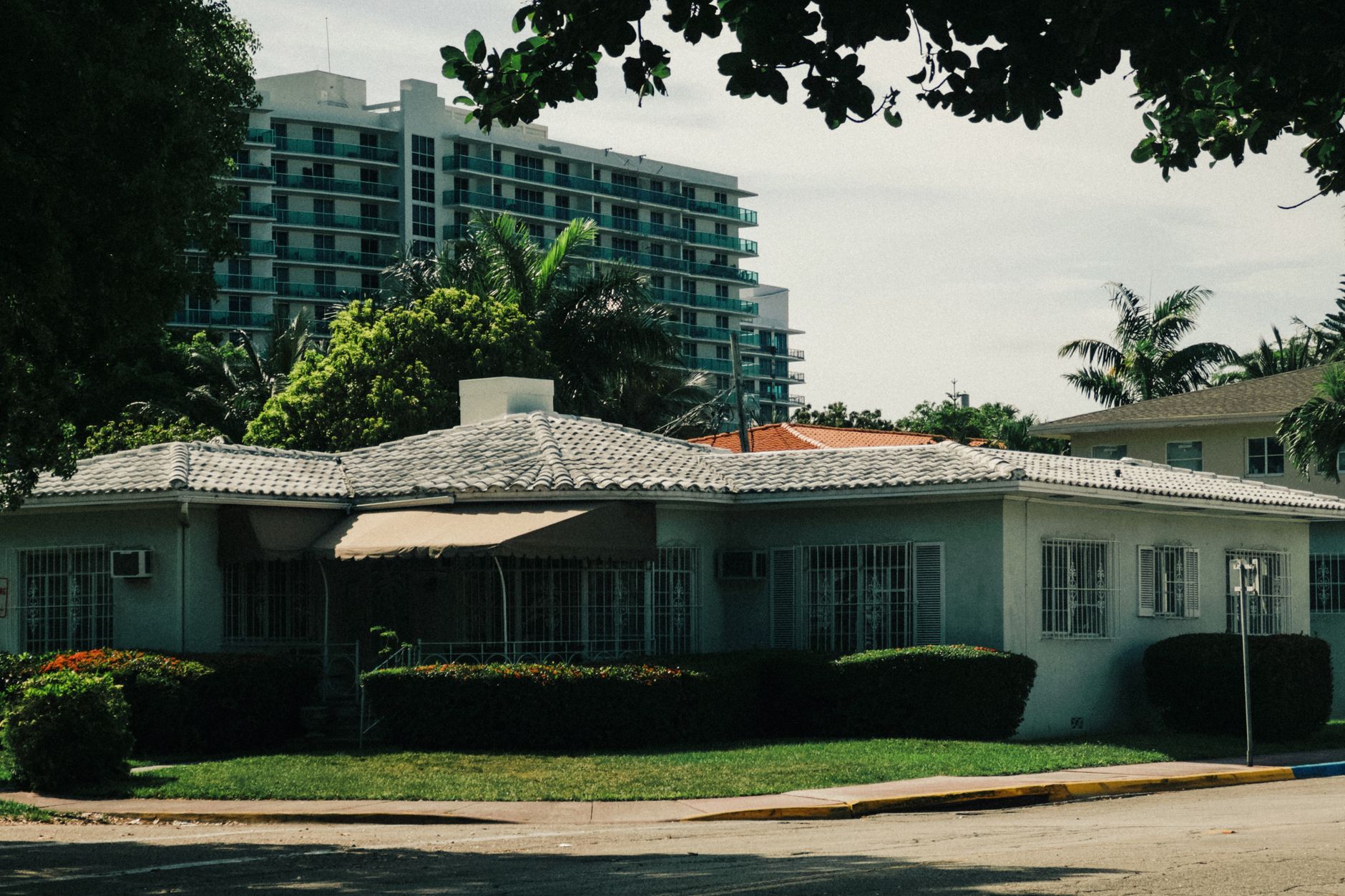
Choosing a home in a high-rise building is about more than finding an appealing unit. The experience also depends on how the building is managed, how easily you can move through it, and whether its ongoing costs fit your plans. For readers in Malaysia, climate, commuting patterns and the practicalities of shared living can make small details especially important. Whether you intend to buy or rent, visit with a checklist rather than relying on listing photos alone. The aim is not to find a building without compromises, but to understand which compromises you can comfortably live with.
Table of Contents
Look Beyond the Headline Cost
The advertised purchase price or monthly rent is only one part of affordability. Ask for a clear breakdown of maintenance charges, sinking fund contributions where applicable, parking costs, utility arrangements and any deposits. If you are buying, allow room for financing expenses, insurance, legal fees and future repairs; if renting, clarify which charges the tenancy agreement assigns to you. Costs can change, so avoid treating today's bill as a permanent figure.
Consider what happens when several expenses arrive together. A household that can cover a payment in an ordinary month may still struggle with moving costs, furnishing or an unexpected repair. Work from your own budget, keep a buffer, and ask a qualified adviser when a financing or contractual point is unclear. A more modest unit that leaves breathing room may serve you better than a larger one that stretches every month.
Test the Everyday Journey
A convenient address on a map does not guarantee an easy daily routine. Test the journey to work, school or regular appointments at the times you would actually travel. Look at access to public transport, walking routes and how deliveries reach the building. If you drive, confirm whether a parking space is included, where it sits and whether visitor parking is managed separately. Ask how traffic flows at the entrance during busy periods.
Inside the building, notice the time needed to reach your unit from the gate. Lift waiting times, corridors and the route from parking can shape every grocery run or school morning. Visit at more than one time if possible, and consider what happens when a lift is temporarily unavailable. These observations are more useful than assuming that a short distance on a map will always mean a short journey.
Examine How the Unit Works
Pay attention to how the unit works, not just how it photographs. Check whether furniture will fit without blocking doors, whether there is practical storage, and whether the kitchen and bathrooms suit your household. Open windows where permitted, observe airflow and note how much daylight reaches the rooms. Malaysia's heat and heavy rain make shading, ventilation and protected routes through the building worth considering, though individual comfort varies.
During a viewing, look for signs of moisture, persistent smells, water marks, damaged seals or unusually noisy plumbing. Test taps, switches and air-conditioning only with permission, and ask what is included in the handover or tenancy. A viewing is not a technical inspection: if you are buying and see a concern, consider an independent professional assessment before committing. Record observations rather than relying on memory after several visits.
Consider Shared Spaces in Context
Shared spaces can be useful, but they also come with maintenance responsibilities and rules. Rather than counting amenities on a listing, assess the condition of the spaces you would actually use. Are common corridors clean and well lit? Is access to bins practical? Are directions to exits clear, and do stairwells appear unobstructed? Raise any safety concerns with building management and seek professional advice if an issue needs specialist assessment.
Think about the people who will use the building with you. Families may value a manageable route with a stroller; someone working from home may care more about daytime noise and a dependable place to take calls. Ask about parcel handling and how guests enter without assuming every building uses the same process. Your priorities should reflect your routine, not a generic list of desirable facilities.
Ask How the Building Is Managed
Good management is often easiest to appreciate when something goes wrong. Ask who handles repairs in common areas, how residents report problems and what response process applies. If you are buying, request available information on the management body, planned works and outstanding charges that could affect your decision. Documents may need interpretation; do not infer a building's financial health from a tidy lobby alone.
Ask residents, where appropriate, about their experience, while remembering that individual accounts are not a complete picture. During your visit, notice whether notices are understandable and shared areas appear cared for. Security arrangements deserve similar scrutiny: find out how entry is controlled and what procedures exist for visitors, without assuming any system can eliminate risk. If you have accessibility needs, check routes and procedures in person, including how assistance would work during a disruption.
Read the Documents Before Committing
Before paying a deposit or signing anything, establish exactly what is being offered. For a purchase, verify the unit details, tenure and relevant documents with an appropriate professional. For a rental, review the tenancy terms, inventory, repair responsibilities and conditions for returning the deposit. Rules about renovations, pets, short stays or shared spaces should be checked against the actual documents rather than guessed from other high-rises.
- Write down questions that the agent or owner could not answer during the viewing.
- Request written clarification of fees, included items and any promises that matter to you.
- Keep copies of documents and allow time to review them before making a decision.
Requirements and responsibilities depend on the property and agreement, so obtain local legal or financial advice for anything consequential or unclear.
Compare Homes on Your Own Terms
The final decision often comes down to a trade-off rather than a clear winner. A unit at Aster Residence could suit your preferred layout while another option works better for the daily journey; assess the actual units before deciding which compromise matters less. Compare total monthly cost, unit condition, building upkeep and the constraints of shared living on the same sheet. Give each concern a priority, so an attractive view does not quietly outweigh a practical problem you would face every day.
If possible, revisit your preferred unit at a different hour and bring someone who notices different details. Sleep on the decision, especially when a deadline creates pressure. A sound choice is not necessarily the most impressive building; it is the home whose costs, routines and responsibilities you understand well enough to accept.