
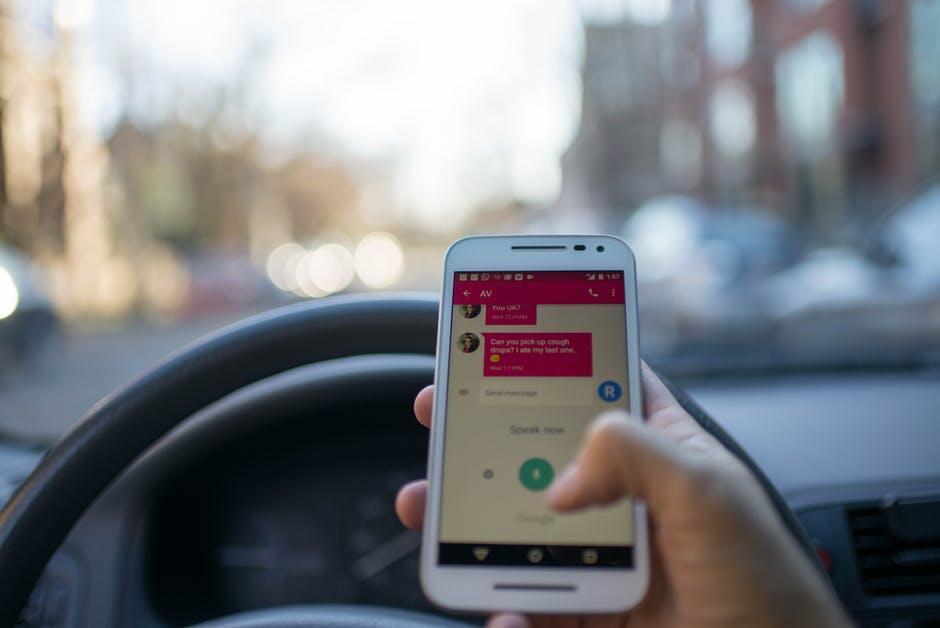
Modern road trips look very different from those of the past. Today, drivers use dashboard screens, smart navigation tools, and digital entertainment systems. These features make long drives easier and more enjoyable. However, they can also create serious safety risks. When drivers focus on screens instead of the road, they put themselves and others in danger.
Table of Contents
The Rise of Dashboard Distractions
Car technology has changed a lot over the years. Older cars had simple radios and physical buttons. Modern vehicles often have large touchscreens with many features. Drivers can use these screens to change the music, adjust the temperature, and follow GPS directions.
While these tools are useful, they can take a driver's attention away from traffic. A report from Ford Pro warns that distracted driving puts passengers, pedestrians, and other road users at risk. Drivers need to watch the road and stay ready to react at all times. Even taking your eyes off the road for two seconds can double the risk of a crash.
The Physical Impact of Distracted Driving
Distracted drivers often react too slowly when traffic conditions change. A car may stop without warning, road debris may appear, or another driver may move into their lane. When a driver fails to notice these events, a crash can happen in seconds.
Severe distracted driving injuries can leave victims with high medical bills, long recovery times, and permanent physical limitations. Victims often face complex legal battles when proving liability after a crash. Navigating insurance claims requires clear documentation of driver fault.
Data published by Otozen reports that distracted driving crashes killed 3,208 people and injured an estimated 315,167 people in one year. These numbers show the human cost of distracted driving. Behind each number is a person, a family, and a life that may never be the same.
Hands-Free Technology Is Not Risk-Free
Many drivers believe that voice commands and hands-free tools make driving safe. These features can reduce the need to touch a phone, but they do not remove every risk. A driver's mind can still become distracted during a call or voice command.
There are three main types of driving distractions. Visual distractions take your eyes off the road. Manual distractions take your hands off the wheel. Mental distractions pull your thoughts away from driving.
Research shared by the National Safety Council suggests that drivers in hands-free conversations can miss up to 50 percent of what is around them. Their minds focus on the conversation instead of nearby traffic.
High-Risk Phone Use Behind the Wheel
Smartphones remain a major source of driver distraction. Many drivers check text messages, social media, or app alerts while driving. Some even try to read or send messages in heavy traffic. These actions may seem brief, but they can have serious results.
A joint report by GHSA and Cambridge Mobile Telematics found that drivers with high levels of phone distraction are 240 percent more likely to crash. This finding shows how risky phone use can be.
Final Thoughts
Safe driving starts with simple choices. Plan your route, set your music, and silence your phone before you move. Keep your eyes on the road and your mind on the task. By making these habits part of every trip, drivers can protect themselves, their passengers, and everyone else on the road. Make sure to check out our website for more articles like this!