
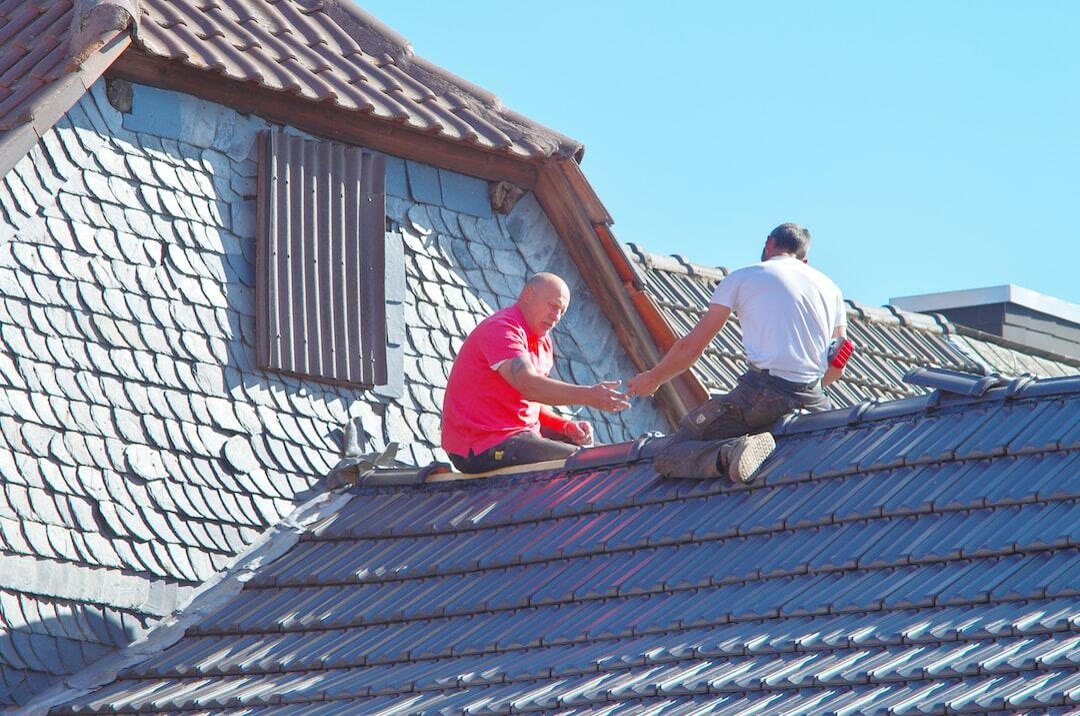
Severe weather can put every part of a home’s exterior to the test. High winds, heavy rain, and hail can damage a roofing system in minutes. Some problems are easy to spot, while others remain hidden beneath shingles or inside the attic. Even small areas of damage can lead to major leaks and costly repairs if left untreated.
Knowing what to look for after a storm can help homeowners protect their properties. Roofing professionals check for several warning signs that point to wind, hail, and water damage. These signs can help identify problems before they spread and affect other parts of the home.
A careful inspection after severe weather also gives homeowners a clearer picture of their roof’s condition. It can help them plan repairs, prevent further damage, and collect useful evidence for an insurance claim.
Table of Contents
- Why Post-Storm Roof Assessments Matter
- Shingle Granule Loss and Bald Spots
- Granules Collecting Near Downspouts
- Wind-Lifted, Creased, and Missing Shingles
- Hail Bruising and Impact Marks
- Dents in Gutters, Vents, and Other Metal Parts
- Damaged Flashing and Roof Penetrations
- Chimney and Skylight Seals
- Structural Sagging and Roof Decking Damage
- Soft or Spongy Roof Decking
- Water Stains and Moisture Inside the Attic
- Damaged Gutters, Soffits, and Fascia
- Debris Impact and Damage from Tree Limbs
- When to Schedule a Professional Roof Assessment
- Protect Your Roof Before Small Problems Become Major Repairs
Why Post-Storm Roof Assessments Matter
Storm damage does not always cause an immediate leak. In many cases, the first signs of trouble remain hidden beneath overlapping shingles or inside poorly ventilated attic spaces. Water can enter through small gaps and slowly damage the wooden roof deck. Over time, this moisture can cause wood rot, mold growth, and damage to the home’s interior.
A recent industry report found that 19.7% of roof inspections uncover active problems. It also noted that regular inspections can extend a roof’s life by five to ten years. Early repairs may also help homeowners avoid more than $7,000 in average costs linked to missed structural problems.
These findings show why routine roof checks matter, especially after severe weather. A damaged shingle or loose flashing may seem like a minor issue at first. However, leaving it untreated can allow water to reach the roof deck, insulation, and ceiling.
A professional assessment helps identify the source of the damage and determine what repairs are needed. It also provides written records and photographs that may support an insurance claim.
Shingle Granule Loss and Bald Spots
Asphalt shingles have a top layer of small mineral granules. These granules protect the asphalt beneath them from sunlight, rain, and physical damage. They also help shingles resist normal wear over time.
Hailstones and heavy rain can knock these granules loose. Strong storms may cause large amounts of granule loss in a short period. When this happens, the shingles lose part of their protective surface.
Granules Collecting Near Downspouts
One of the first places inspectors check is the ground near downspout outlets. After heavy rain, loose granules often wash from the roof and collect in gutters or splash blocks.
These small particles can look like coarse sand or dark grit. A large amount of granule buildup may point to hail damage or excessive shingle wear.
A few loose granules are normal, especially on newer roofs. However, large piles after a storm deserve closer attention. A roofing professional can check whether the loss is limited or affects several roof sections.
Wind-Lifted, Creased, and Missing Shingles
Strong winds can create powerful lifting forces along roof edges, corners, and ridges. These forces can pull shingles away from the roof deck or break the adhesive strips that hold them in place.
Even when shingles remain attached, wind can leave behind damage that makes them less secure. Professionals look for several common signs.
Missing shingles are easy to notice from the ground. However, creases and broken adhesive seals can be harder to spot. These problems may allow water to enter during the next period of heavy rain.
Homeowners should avoid climbing onto the roof to check for loose materials. A professional can inspect the damaged areas safely and determine whether repairs will restore proper protection.
Hail Bruising and Impact Marks
Hail damage can be harder to identify than wind damage. Instead of lifting shingles, hailstones strike the surface with direct force. These impacts can crush the material beneath the granules and weaken the shingle structure.
The damage may appear as small dents, dark spots, or areas where granules have broken away. Some impacts also create soft spots beneath the shingle surface.
Roofing inspectors know how to identify these signs. They may carefully examine affected areas for changes in texture and signs of damage to the shingle mat.
Industry data reported that 5,432 large-hail events occurred across the United States in 2025. State Farm alone paid more than $5.6 billion in hail claims during that period, according to the figures cited in the report.
Even smaller hailstones can cause problems under the right conditions. Repeated impacts may damage the fiberglass reinforcement inside asphalt shingles. This creates weak points that can become worse during freeze-thaw cycles.
A damaged shingle may still look normal from the street. That is why a close inspection matters after a hailstorm, even when there are no visible leaks.
Dents in Gutters, Vents, and Other Metal Parts
Soft metal surfaces provide useful clues when checking for hail damage. Inspectors often examine gutters, downspouts, roof vents, and window screens before looking more closely at the shingles.
Aluminum and other thin metals can dent when struck by hailstones. Round dents or pockmarks may show where ice hit the home. The size and pattern of these marks can also help inspectors estimate the strength of the storm.
Dents do not always mean the roof itself has suffered serious damage. However, they can confirm that hail reached the property with enough force to affect other materials.
Inspectors use these clues alongside shingle damage and other signs. Looking at several areas helps them build a more accurate picture of the storm’s impact.
Damaged Flashing and Roof Penetrations
Roofing problems often begin where different materials meet. These areas include roof valleys, chimneys, skylights, plumbing vents, and other openings.
Flashing is the metal or waterproof material used to seal these joints. It directs rain away from gaps and helps prevent water from reaching the roof deck.
Severe weather can weaken these protective areas. High winds may pull flashing away from walls or roof surfaces. Hail can also damage rubber collars around plumbing vents. Heavy rain may then enter through the damaged seals.
A technical roofing checklist noted that many roof leaks begin around flashing and roof penetrations. Common problems include cracked pipe boots, loose chimney flashing, blocked valleys, and exposed mounting bolts.
These areas need close attention after a storm because even a small opening can let in water.
Chimney and Skylight Seals
Chimneys and skylights need strong seals to keep rain outside. Inspectors check the metal flashing, caulking, and surrounding materials for cracks or gaps.
Wind-driven rain can move beneath loose metal edges and reach the framing below. The damage may continue for weeks before water appears on an indoor ceiling.
Skylight seals also need regular checks. Strong winds and sudden temperature changes can weaken older seals and create openings around the frame.
Homeowners should arrange repairs when they notice loose flashing, cracked sealant, or water stains near these features.
Structural Sagging and Roof Decking Damage
Heavy storms can place a great deal of stress on a roofing system. Rainwater may collect in low areas, while blocked gutters can prevent proper drainage. If water remains trapped, the added weight can place pressure on the roof deck and support structure.
One warning sign is a roofline that no longer looks straight. From the street, homeowners may notice dips, waves, or areas that appear lower than the surrounding sections.
These changes should never be ignored. A recent exterior maintenance guide warned that roof sections with visible sagging or dips may point to serious structural problems. If the damage continues, the roof could become unsafe.
Working with Hoerl Homes in Birmingham can help homeowners identify hidden structural weaknesses and damaged decking. A thorough assessment can show whether the problem needs a small repair or more extensive work.
Soft or Spongy Roof Decking
Roof decking is the wooden surface beneath the shingles. It supports the roofing materials and helps keep the structure stable.
When water reaches the decking, the wood can absorb moisture and begin to weaken. During an inspection, roofing professionals look for areas that feel soft, bouncy, or spongy.
These signs may point to water damage, wood rot, or a weakened support surface. Damaged decking can also make it harder for roofing nails to hold shingles in place.
Because walking on a damaged roof can be dangerous, homeowners should leave this type of inspection to trained professionals.
Water Stains and Moisture Inside the Attic
A complete roof inspection should include the attic. Looking only at the exterior may leave important problems unnoticed. Water can enter through small gaps and travel along wooden supports before reaching the ceiling.
Attic inspections help reveal moisture problems before they cause major damage inside the home.
One important detail is that ceiling stains do not always appear directly below the leak. Water can travel along rafters and other structural parts before it drips onto a ceiling.
Finding the actual entry point is important. Otherwise, a repair may cover the visible stain without fixing the source of the water.
Homeowners should also check for wet insulation and signs of poor airflow. These problems can affect energy use and indoor air quality if they remain untreated.
Damaged Gutters, Soffits, and Fascia
Gutters and exterior trim help move rainwater away from the home. They also protect the roof edges and wooden eaves from moisture.
Strong winds, heavy rain, and falling branches can damage these parts during a storm. Loose gutters may pull away from the fascia board, while heavy water flow can weaken old brackets and seams.
These problems can affect more than the roof. Water spilling behind the gutters may damage siding, exterior walls, and the home’s foundation.
Soffits also play an important role in attic ventilation. Damaged panels can allow pests and moisture to enter. They may also block the airflow needed to control attic temperatures.
Repairing these areas helps protect the roof edge and supports the home’s overall drainage system.
Debris Impact and Damage from Tree Limbs
Storm winds can break tree branches and send loose debris across rooftops. Even a medium-sized branch can scrape away shingle granules, tear roofing edges, or puncture the underlayment.
Larger limbs may cause more serious damage. They can break roof decking, damage gutters, or affect the home’s structural supports.
After a storm, inspectors look for branches, leaves, and other debris on the roof. Roof valleys deserve special attention because leaves and twigs often collect in these low areas.
Debris can trap water against the shingles and slow drainage. Wet leaves may also create a damp layer that encourages rot and speeds up material wear.
Homeowners should avoid removing heavy branches or climbing onto the roof themselves. A fallen limb may have damaged the roof beneath it, even if the surface looks mostly intact.
A professional can remove debris safely and check the affected area for hidden damage.
When to Schedule a Professional Roof Assessment
Not every storm requires a full roof inspection. However, severe weather should always prompt homeowners to look for visible signs of damage.
Waiting until water enters the home can make repairs more expensive. By that stage, moisture may have already reached the insulation, roof decking, drywall, or wooden supports.
A storm inspection checklist recommends arranging a professional assessment after hail measuring one inch or larger hits the area. This is roughly the size of a quarter. It also advises homeowners to seek an inspection when sustained winds exceed 60 mph.
These conditions can place significant stress on roofing materials, even when damage is not visible from the ground.
Homeowners should take photographs of visible damage when it is safe to do so. Keeping a record of the storm date, damaged areas, and inspection findings can help support an insurance claim.
It is also important to contact the insurance company within the required reporting period. A roofing professional can provide an assessment, but the insurer will determine coverage under the policy.
Protect Your Roof Before Small Problems Become Major Repairs
Storm damage can affect far more than the shingles you see from the street. High winds can loosen roofing materials, hail can weaken shingle surfaces, and heavy rain can expose problems around flashing and roof openings.
If a storm has recently passed through your area, do not wait for a ceiling leak before taking action. Watch for visible warning signs and arrange a professional assessment when needed. With timely repairs and regular care, your roofing system can provide better protection through every season. Make sure to check out the rest of our articles for more tips.