
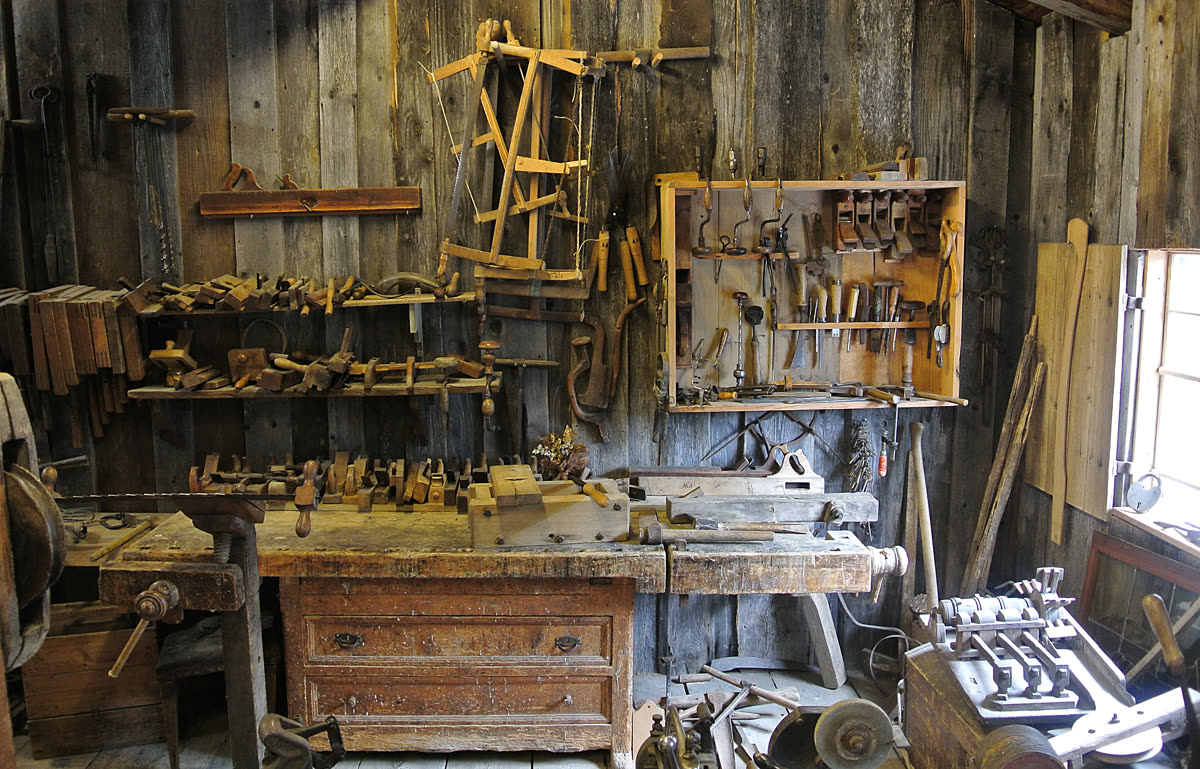
A spare bedroom can become a workshop almost without anyone noticing. First comes a folding table for small repairs. Then a sanding block, a few pieces of timber, and shelves for tools. By the time someone starts making picture frames or refinishing furniture, the room may produce more dust than the rest of the home combined. The real trouble often appears outside the workshop, where fine particles settle on a sofa or collect along the hallway.
An ordinary cleaning routine rarely addresses where that material is coming from. When comparing house cleaning services, residents should explain whether the room is used for hand sanding, cutting wood, painting crafts, or assembling projects. Those activities create different residues, and some require safety precautions before routine cleaning can begin.
For a household considering Yall Maid Austin Cleaning Services, the sensible starting point is to identify the rooms that are safe for normal upkeep and the workshop areas that remain the maker’s responsibility. A cleaner can work on agreed residential surfaces without being expected to empty dust-extraction equipment, handle finishing chemicals, or reorganize tools.
Table of Contents
- Stop Debris at the Workshop Door
- Understand Why Sawdust and Sanding Dust Behave Differently
- Never Treat Finishing Products as Normal Household Spills
- Clean Shared Routes Before the Rest of the Rooms
- Check Fabric and Soft Furnishings Without Damaging Them
- Make Cleanup Part of the Project, Not an Afterthought
- Keep the Workshop Useful Without Letting It Take Over the House
Stop Debris at the Workshop Door
The doorway is usually the best place to investigate first. Look at the floor immediately outside it. Sawdust may form a narrow trail toward the kitchen, or fine sanding powder may appear on a nearby console table. That pattern can reveal whether debris is being carried on shoes and clothes, pushed by airflow, or tracked out with materials.
Keep a pair of workshop-only shoes inside the work area if practical. A mat that can be cleaned safely may help catch tracked particles, but it should not become a permanent reservoir of dust. Empty it using a method suited to the material rather than shaking it into the hallway. Keep offcuts, boxes, and completed projects away from the threshold so people can enter without brushing against them.
Give the Room a Proper Work Boundary
A curtain may hide an untidy workshop, but it does little to contain floating fine dust. A closed door and effective dust collection at the source are generally more useful. If sanding or cutting produces visible clouds, ordinary housekeeping is not enough; the workshop setup and ventilation need attention. The operator should follow tool instructions and appropriate dust-control guidance.
Before inviting Yall Maid Austin Cleaning Services into the adjoining living areas, the resident can remove tools from shared walkways and explain which doors should stay closed. This small preparation protects both the cleaning equipment and any unfinished work.
Understand Why Sawdust and Sanding Dust Behave Differently
Wood shavings from a hand plane are relatively easy to collect. Fine particles from powered sanding are harder to contain and may remain airborne before settling on distant surfaces. Some woods and manufactured boards produce dust that can irritate or harm the respiratory system. Never assume the dust is harmless simply because the project is small.
The person operating the tools should use suitable extraction and personal protective equipment for the material and process. For cleaning, avoid dry sweeping and compressed air, which can send settled particles into the air again. Select a vacuum and filtration system suitable for the dust involved; an ordinary household vacuum may leak fine particles or be unsuitable for substantial workshop debris.
This is an important boundary when scheduling house cleaning services. Cleaning a hallway after the workshop is secured differs from collecting heavy deposits at a saw or sanding station. The latter may call for dedicated workshop equipment and procedures managed by the person doing the work.
Never Treat Finishing Products as Normal Household Spills
Glue, paint, stain, varnish, and solvent containers may sit beside harmless-looking craft supplies. Their cleanup instructions can differ dramatically. A puddle of water-based craft paint on a washable tabletop is not the same problem as a spill involving a flammable solvent or an unidentified finishing mixture.
Keep products closed and in their original labeled containers. If a spill occurs, follow the product label and safety data instructions, including ventilation and disposal requirements. Do not ask someone to test random household cleaners on it. Some finishes and solvents can damage flooring, and certain contaminated rags can create a fire hazard if improperly stored.
A request to Yall Maid Austin Cleaning Services should clearly exclude unknown chemicals, uncured finishes, and containers awaiting disposal. Residential cleaning can resume on unaffected surfaces when the workshop owner has made the area safe.
Protect Finished Projects While They Cure
A newly varnished tabletop may look dry but remain vulnerable to handling or cleaning. Moving it to reach the floor can leave fingerprints, damage the finish, or expose someone to vapors. Follow the finish manufacturer’s drying, curing, and ventilation instructions. Store projects where they cannot be bumped and where household members do not need to pass close to them.
Do not cover a curing project with a sheet merely to keep dust off unless the product instructions support that method. The cover can stick to the surface or interfere with curing. Moving these items is a job for the maker, not an incidental part of a cleaning visit.
Clean Shared Routes Before the Rest of the Rooms
Think about the route used to carry projects to the garage, sink, or outdoor work area. A person transporting timber may leave coarse grit near the entrance. Someone washing brushes may touch faucet handles and cabinet doors with paint-stained fingers. These points often deserve attention before ordinary dusting elsewhere.
First collect visible offcuts and sharp fragments safely. Then address the accessible floor with appropriate equipment, beginning near the workshop boundary so debris is not dragged across already cleaned areas. Change footwear or clean shoe soles before moving through the rest of the home. Use separate cloths for the potentially affected hallway and for kitchen food-preparation surfaces.
When discussing house cleaning services, the resident can describe these traffic patterns rather than simply saying that the home is dusty. The information helps distinguish a normal room-cleaning task from ongoing contamination that will return as soon as sanding starts again.
Check Fabric and Soft Furnishings Without Damaging Them
Fine particles can settle on nearby curtains, upholstered chairs, and rugs. Do not beat cushions or shake drapes inside the house, because that redistributes debris. Use cleaning methods compatible with the fabric and the nature of the dust. Delicate upholstery, persistent contamination, or suspected hazardous material may require specialist assessment rather than an ordinary attachment on a domestic vacuum.
For families booking house cleaning services, the useful distinction is between routine fabric care and upholstery affected by unidentified finishing dust.
Keep clean bedding and laundry out of the workshop. If the spare room is used for both crafting and occasional guests, store linens in closed cabinets elsewhere and finish dusty work well before preparing the room for someone to sleep. A pleasant-looking guest bed does not mean the air and nearby fabrics are free of workshop residue.
Yall Maid Austin Cleaning Services could be considered for ordinary cleaning of accessible adjacent rooms once dust-producing work has stopped and appropriate source cleanup is complete. The owner should make clear which furniture can be moved and which pieces contain fragile projects or tools.
Make Cleanup Part of the Project, Not an Afterthought
A productive workshop needs a closing routine. Put sharp tools away, collect scraps, secure chemicals, check the extraction system according to its instructions, and inspect the route out of the room. Schedule periodic maintenance for filters and collection equipment rather than waiting for visible dust to spread. Keep children and pets away from work areas and stored materials.
If an unfinished project takes several days, do not expect a full-house clean in the middle of cutting and sanding to solve the underlying problem. Finish the dusty stage, contain the source, and then clean the surrounding living areas. That order reduces repeat work and avoids bringing cleaning staff into an active workshop.
Keep the Workshop Useful Without Letting It Take Over the House
An indoor workshop can coexist with a comfortable home, but only when the boundary is real. The maker manages tools, extraction, chemicals, and potentially hazardous waste. Ordinary household cleaning addresses the accessible floors, furniture, and shared routes once those materials are controlled.
Before asking Yall Maid Austin Cleaning Services to visit, explain which activities take place in the room and which areas are ready for cleaning. That context makes house cleaning services more practical and helps prevent a well-intended cleaning session from disturbing equipment or spreading debris. The biggest improvement is not a stronger cleaning product; it is stopping workshop material before it reaches the rest of the home.
