
Planning an event involves many details, from choosing a suitable venue to organising the guest list and arranging activities. Food is another major consideration, particularly when an event involves several guests with different dietary preferences.
Choosing food catering in Singapore gives organisers a practical way to manage meals without handling all the preparation themselves. Catering companies offer different menus, serving styles, package sizes, and dietary options, so the right choice depends on the type of event and the needs of the guests.
Understanding the main decisions involved can make the catering process easier to manage.
Table of Contents
- Start With the Type of Event
- Estimate the Number of Guests
- Choose the Right Catering Style
- Plan the Menu Carefully
- Consider Dietary Requirements
- Think About the Venue
- Check What the Catering Package Includes
- Consider the Event Schedule
- Compare Quality With Price
- Ask About Food Presentation
- Consider Beverages and Desserts
- Book Catering Early
- Conclusion
Start With the Type of Event
The type of event should influence the catering arrangement. A corporate meeting has different requirements from a birthday celebration, wedding reception, school gathering, or private party.
A formal corporate event might require a buffet, individually packed meals, or a sit-down arrangement. A casual gathering might work better with finger food, shared dishes, or simple buffet stations.
Consider the purpose of the event, the expected atmosphere, the duration, and how guests will interact with the food before selecting a catering format.
Estimate the Number of Guests
Guest numbers have a direct impact on catering quantities and overall costs.
Start with the confirmed guest list and allow enough food for the expected attendance. For larger events, it is useful to provide the caterer with an estimated number first and confirm the final headcount closer to the event date if the company allows adjustments.
Avoid making assumptions based solely on the number of invitations sent. Attendance rates differ between events.
The timing of the meal also matters. Guests attending an event around lunchtime or dinner usually require a more substantial meal than those attending a short afternoon function.
Choose the Right Catering Style
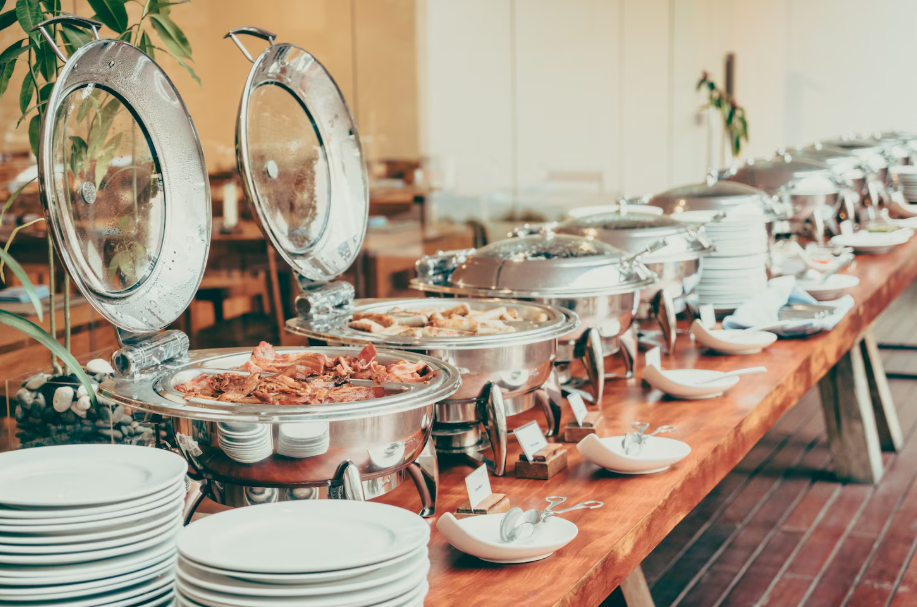
Food catering in Singapore is available in several formats. Buffet catering is one common choice because guests can select their preferred dishes and portion sizes.
For smaller meetings or events where guests have limited time, individually packed meals can be more practical. They are also useful when organisers want to distribute meals quickly without setting up a full buffet.
Cocktail-style events might call for canapés, finger food, and small portions that guests can eat while standing and talking.
The serving style should match the venue, guest numbers, available space, and schedule.
Plan the Menu Carefully
The menu should provide enough variety without becoming unnecessarily complicated.
Consider the type of food that suits the event and the expected guests. A menu might include main dishes, side dishes, vegetables, rice or noodles, desserts, and beverages.
For a longer event, organisers should also consider how the food will be served and whether dishes need to remain at suitable temperatures.
It is useful to review the catering company's sample menus before making a decision. Pay attention to portion sizes, dish combinations, and whether the package includes drinks or desserts.
Consider Dietary Requirements
Dietary requirements should be discussed with the caterer before finalising the menu.
Guests might require vegetarian, halal, gluten-free, dairy-free, or other meal options. Food allergies also need careful attention.
Do not assume that removing a particular ingredient from a dish automatically makes it suitable for someone with an allergy. Ask the caterer about preparation procedures, ingredient information, and possible cross-contact concerns.
Clear labelling can also help guests identify suitable dishes during a buffet.
Think About the Venue
The catering setup needs to work with the event venue.
Check whether the venue has restrictions regarding external caterers, cooking equipment, food preparation, or buffet setups. Some locations have designated areas for catering services, while others have specific rules regarding food delivery and waste disposal.
The available space also matters. A buffet requires enough room for food tables and guests to move around comfortably.
For smaller venues, individually packed meals or a simpler food arrangement might be easier to manage.
Check What the Catering Package Includes
Catering packages often include more than food, although the exact services differ between providers.
Ask whether the quoted price covers delivery, setup, collection, serving staff, tables, warmers, utensils, plates, cups, napkins, and drinks.
Some services charge separately for additional equipment or staffing. Clarifying these details before confirming the booking helps avoid unexpected costs later.
Read the terms carefully, especially for minimum order quantities, delivery charges, cancellation policies, and changes to the guest count.
Consider the Event Schedule
Timing plays an important role in catering.
The caterer needs enough time to prepare, transport, and set up the food before guests begin eating. Organisers should discuss the required delivery and setup time rather than focusing only on the meal time.
For corporate meetings, food might need to arrive during a short break. For private events, the meal might be part of a longer programme.
A clear schedule helps the catering team coordinate with the organiser and venue.
Compare Quality With Price
Price is an important consideration, but comparing catering services solely by the lowest quotation can be misleading.
Two packages with similar prices might offer different portion sizes, menu selections, equipment, staffing, or delivery arrangements.
Instead, compare what each package includes. Look at the menu, serving style, number of dishes, dietary options, service fees, and additional charges.
Reviews and recommendations can also provide useful information about food quality, punctuality, presentation, and customer service.
Ask About Food Presentation
Presentation can matter more for certain events.
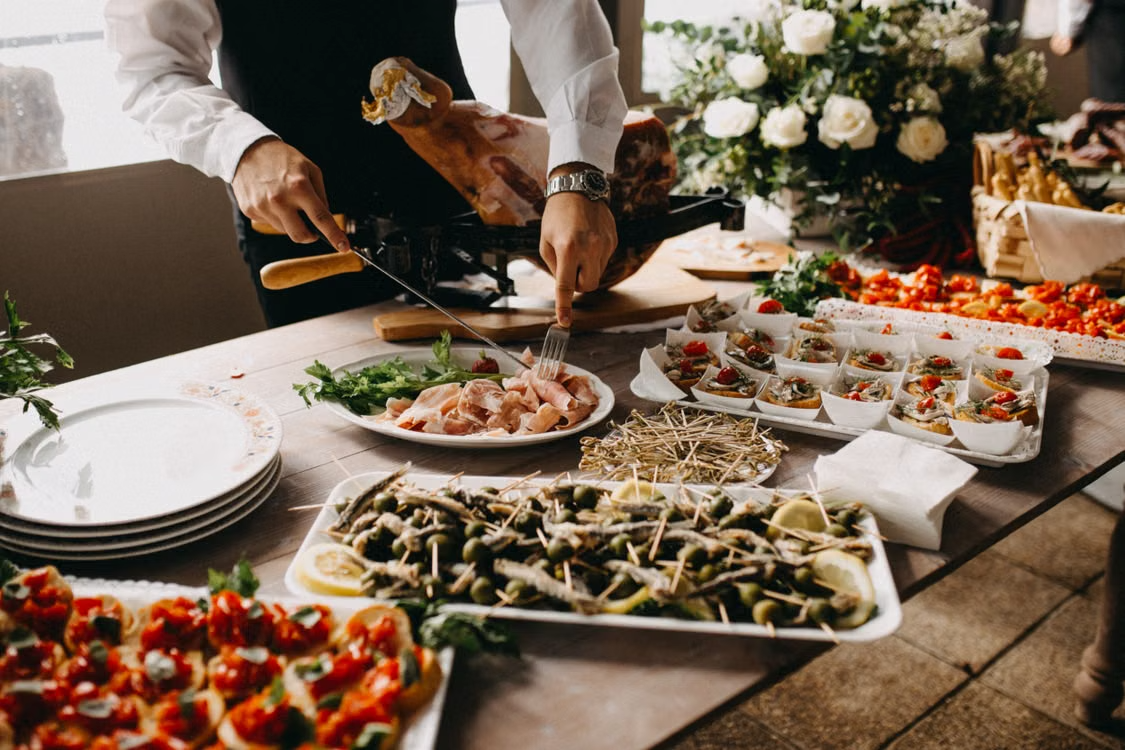
A corporate function, wedding, product launch, or formal celebration might require a more polished buffet setup. A casual office lunch might place greater importance on convenience.
Ask to see examples of previous catering setups if presentation is important for the event.
The serving equipment and table arrangement should also fit the venue. A clean and organised setup makes it easier for guests to serve themselves and move through the dining area.
Consider Beverages and Desserts
Food is only part of the catering arrangement. Drinks and desserts might also need to be included.
Depending on the event, organisers could provide water, soft drinks, coffee, tea, or other suitable beverages. Dessert options might include cakes, pastries, fruit, puddings, or local favourites.
Consider the event schedule when deciding how much to provide. A short meeting might require simple refreshments, while a full-day event needs more comprehensive arrangements.
Book Catering Early
Popular catering companies in Singapore often receive bookings well in advance, particularly during busy periods and around major celebrations.
Booking early gives organisers more time to compare menus, confirm availability, discuss dietary requirements, and arrange the delivery schedule.
It also provides time to make changes if the initial menu does not suit the guest list.
Once the booking is confirmed, keep the quotation, menu, guest count, delivery details, and contact information in one place for easy reference.
Conclusion
Choosing food catering in Singapore involves several practical decisions. Event organisers need to consider the type of event, guest numbers, menu, dietary requirements, serving style, venue, timing, and overall budget.
A suitable catering arrangement should fit the event rather than forcing the event to fit the food service. Comparing packages carefully and discussing requirements with the caterer in advance helps create a smoother experience for both organisers and guests.
With the right planning, catering can take much of the pressure out of organising meals for an event.
1 thought on “Planning an Event in Singapore? Common Catering Decisions You’ll Need to Make”