
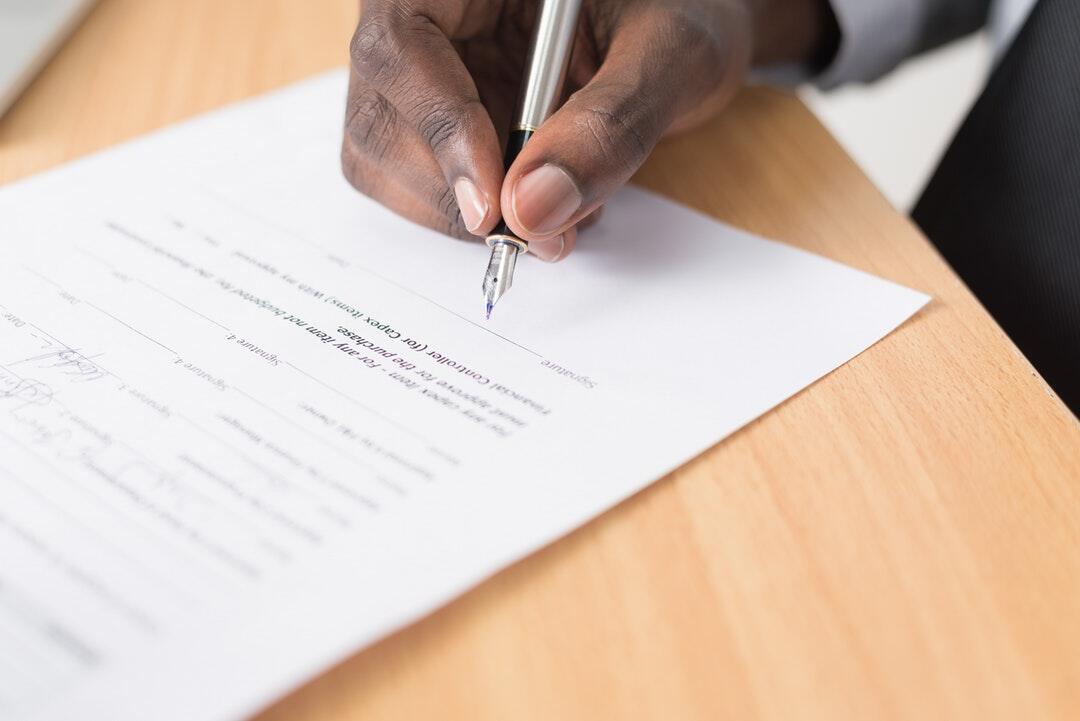
A new invention can feel exciting, especially when you think it could solve a real problem. But sharing your idea too soon or missing a key filing step may put your plans at risk. Patent protection takes care, even for a simple product.
You do not need to know every patent rule before getting started. Knowing the common mistakes can help you ask better questions and protect your work.
Continue reading to discover everything you need to know!
Sharing Your Idea Before Checking the Rules
It is natural to wantfeedback from friends, buyers, or business partners. Yet public posts, product launches, and sales can affect patent rights. Rules differ by country, and some places offer little room for mistakes.
In the United States, certain disclosures by an inventor may fall within a one-year grace period. Still, relying on that rule can put rights in other countries at risk. Seek advice before sharing details widely.
Keep private notes and use suitable confidentiality agreements when discussing an idea with others. Agreements have limits, so do not treat them as a full replacement for filing.
Skipping a Search for Similar Inventions
Thinking your idea is new does not mean no one has created something similar. Existing patents and published applications may cover parts of your design. A search can help you learn what is already known.
Look at the features that make your idea different. You may find that one part is common while another is worth a closer look.
When comparing professional options, you may see patent attorneys such as Omid Khalifeh listed in Los Angeles directories. A qualified patent professional can help explain search results and possible filing paths.
A search cannot promise that a patent will be granted. It can, however, help you avoid spending money without understanding the risks.
Filing Before Your Invention Is Clear
A rushed application may leave out details that matter. It should explain how the invention works and what makes it different. Drawings and examples may help make technical ideas easier to follow.
Before filing, review these basics:
Clear invention description
Useful drawings and examples
Known earlier designs
Correct inventor details
Filing deadlines and costs
A provisional application may secure an early filing date in the United States, but it is not an issued patent. A later application must meet legal requirements and receive proper follow-up.
Do not assume you can add every missing detail later. New material may not benefit from the earlier filing date.
Forgetting Ownership and Future Costs
Working with a partner, employer, or outside designer can raise questions about ownership. Agree in writing who owns the invention and who may file for protection. Check any work contracts before moving ahead.
Patent costs also continue after the first filing. You may face attorney fees, office responses, and maintenance payments. Build a realistic budget before committing.
Consider where you hope to sell your product. Patent rights are territorial, so protection in one country does not automatically cover others.
Protect the Idea Without Rushing
Good patent planning starts with careful research, clear records, and early advice. Avoid public disclosure mistakes and give yourself time to understand the filing process.
For more practical ideas about inventions, business planning, and protecting creative work, explore our other blog posts.