
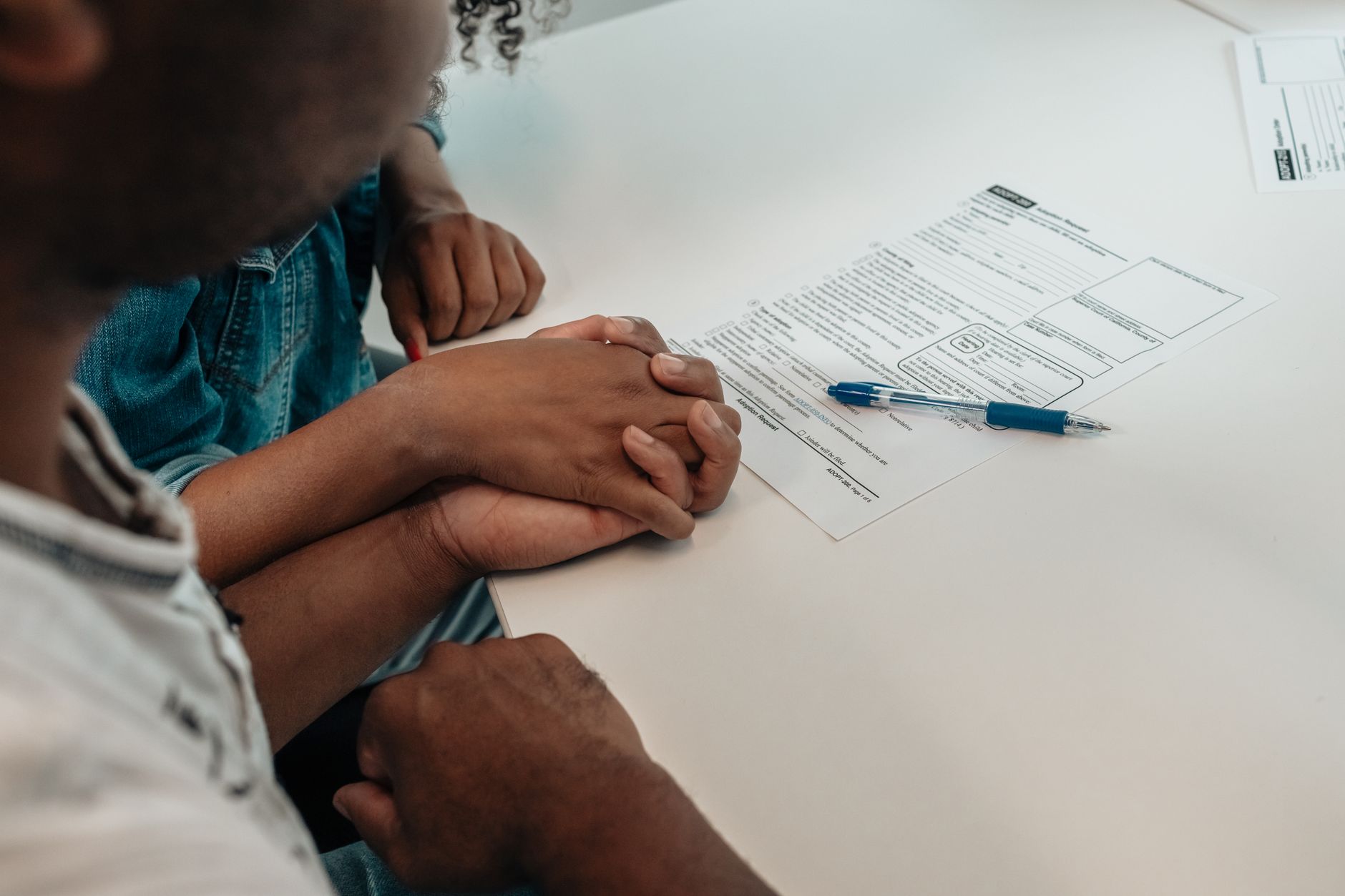
Two parents, one school enrollment form, and nobody can agree who signs it. That's the moment joint legal custody stops being a phrase in a divorce packet and becomes a Tuesday afternoon problem.
In Utah, legal custody is about decisions, not bedrooms. Physical custody is where the kids sleep. Legal custody is who gets a say in school, medical care, religion, and the hundred small calls that shape a childhood. Joint legal custody means both parents hold that say, whether the kids live mostly with one of you or share time roughly evenly. Getting the language right from the start matters, and a Child Custody Utah attorney can read your proposed order before it becomes the document you argue over for a decade.
That distinction trips up almost everyone at the start. Parents assume a shared schedule equals shared authority. It doesn't. You can have equal parenting time and one parent holding sole legal custody, or a lopsided schedule with both parents sharing the decision-making role. The court treats them as separate questions, and Utah's family courts look at the best interests of the child when they answer either one. The state's self-help guide walks through how custody and parent-time get sorted, and it's worth reading before you draft anything.
What "joint" actually requires from you
Joint legal custody isn't a trophy you win. It's a standing duty to check in before you act. In practice, that means you can't unilaterally switch a kid's school, schedule a surgery, or start baptism classes without the other parent in the loop. Some decrees spell out notice periods. Some list which decisions need written agreement. Most leave a gray zone wide enough to drive a truck through, and that gray zone is where post-divorce conflict lives.
Utah law lays out the factors a court weighs when it decides custody, and the statute is blunt about cooperation. Courts pay attention to which parent is likely to support the child's relationship with the other. If your proposed parenting plan reads like a list of reasons your ex shouldn't be involved, you're arguing against your own case. I've watched parents hand over a forty-page grievance document thinking it proves dedication. More often it shows the exact opposite. The Utah Code sets out those factors, so read the actual text instead of a summary someone posted in a forum.
How decision-making works when you disagree
This is the part nobody explains well, so let's be concrete. Say your daughter needs braces and you've got a quote for $5,800. Your co-parent thinks it can wait a year. Under joint legal custody, neither of you gets to just book it or just refuse. You have a few paths:
- Talk first, in writing. Text or email beats a phone call because it creates a record and forces both of you to slow down.
- Follow the tiebreaker in your decree. Some Utah parenting plans name a mediator or assign final say on specific categories, like medical versus extracurricular.
- Mediate. Cheaper and faster than going back to court, and judges tend to look kindly on parents who try it.
- File a motion. The last resort, and the one that eats weekends and savings.
Notice what that list leaves out: victory. There's no victory. There's a decision, and then there's whether your kid felt caught in the middle of it.
The habit that keeps joint custody from collapsing
I call it the decision log. It's a shared document, nothing fancy, with four columns: date, decision, who raised it, and how you resolved it. Every school choice, every doctor visit, every "can she sleep over at her friend's house on a school night" goes in. You update it the same week, not the same month.
Why bother? Because memory is the most unreliable witness in any custody dispute. Six months from now, one of you will swear the other agreed to something. The log settles it without a lawyer's invoice. It also does something subtler: it makes cooperation visible. If a mediator or judge ever reviews your history, a clean log shows two adults acting like adults.
Build the log now, while the stakes are low. The first entry can be as boring as "agreed on Wednesday pickup time." Boring is the goal.
Where joint legal custody goes wrong
Three failure patterns show up again and again, and you can spot them early if you're honest with yourself.
Using decisions as ammunition. Refusing to sign a field trip form because you're angry about last weekend's late drop-off. Courts notice. Kids notice more.
Mistaking a heads-up for a consultation. "I already enrolled him, I was just telling you." That's not joint anything. That's a unilateral move with better manners.
Letting a new partner run the conversation. Your new spouse may have strong opinions about your ex. They don't belong in the decision thread. Keep the channel between the two legal parents, at least until trust is rebuilt.
What to bring to a consultation
If you're sitting down with an attorney about custody, walk in with the boring stuff. Your proposed parenting schedule, written out by day. A list of decisions you and your co-parent have actually agreed on in the past year. Whatever orders a judge has already signed. Notes on the disagreements that keep repeating. That last item matters most, because patterns are what a parenting plan is built to solve.
Ask one specific question: how would a judge in this county likely handle our sticking point? You'll learn more from that than from an hour of general custody talk. The Utah courts guide gives you the plain-language version of what the bench is weighing, and it's free.
Frequently asked, briefly answered
Does joint legal custody mean 50/50 time?
No. They're separate rulings. Plenty of Utah families share legal custody while one parent has the kids most weeknights.
Can a judge order joint legal custody if we can't stand each other?
It happens, especially when both parents are capable, and the conflict looks manageable. Judges weigh cooperation, but they don't require friendship.
What if my co-parent won't respond at all?
Document the attempts. Silence from one parent is itself a fact the court will consider when deciding what arrangement actually serves your child.
The bottom line
Joint legal custody in Utah asks two people who couldn't stay married to make decisions together for years. That's a hard ask, and it's doable. Keep a log, put disagreements in writing, and save the courtroom for the things that genuinely need it.
One question worth sitting with tonight: if your child read your last five messages to your co-parent, would they recognize the person who wrote them?