
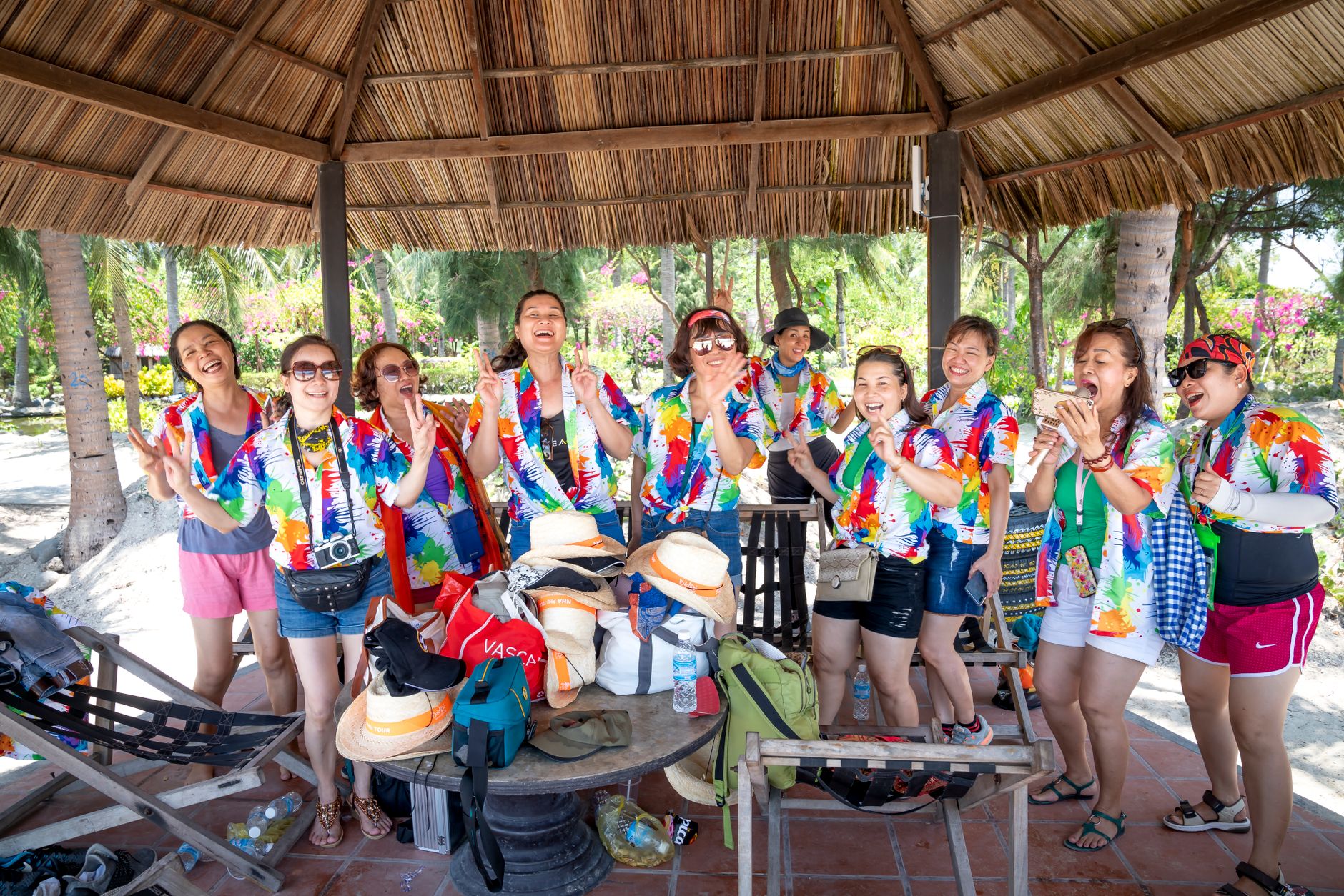
Cash bonuses get spent on rent. A trip to Cancun gets posted on Instagram for three weeks straight. That gap is why the summer sales teams that consistently produce the biggest numbers tend to dangle travel instead of a bigger check, and why the rep who wins it keeps talking about it long after the tan fades.
Door-to-door sales runs on a strange emotional engine. You knock in the heat, you get told no more times than yes, and the only thing that keeps a good rep walking is a finish line worth the pain. An incentive trip is that finish line. It gives the whole summer a shape, a story, and a reason to knock one more street before dinner.
If you run a field team, you already know the reward has to feel bigger than the job. That is exactly the problem d2d incentive trips were built to solve, because the trip itself becomes the trophy everyone can picture. Here are five reasons it works better than almost any other reward you can offer a top performer.
1. It turns a solo grind into a shared story
Door-to-door work is lonely by design. You are one person on one porch, and nobody sees the hours except your manager's spreadsheet. A trip changes that math. The moment the destination is announced, the reward stops being private and starts being social.
Reps talk about it in the van. They compare who is closest to qualifying. The ones who have already won it become the people others want to sit next to. That social pressure is worth more than any pep talk, and it costs you nothing extra once the trip is booked.
2. It rewards the people who actually carried the summer
Every sales organization has a top tier that quietly outsells everyone else. Those reps do not need another plaque. They need proof that the company noticed, and a trip is the most visible proof you can offer.
Field sales has a long history as a proving ground, and the summer programs that reward performance with real travel have always been the ones that keep their best people. The research on door-to-door summer sales programs makes clear that the structure of the reward shapes who sticks around and who burns out. If you want the winners to stay, give them something worth staying for.
3. It builds a culture your competitors can't copy
Anyone can match a commission rate. Nobody can match the inside jokes from a company trip to the mountains, or the group photo from the awards dinner, or the story about the rep who swam out too far on day two. Those things live in the team's memory and get retold to every new hire.
That is the real asset. When a rep is deciding between two offers with similar pay, the trip culture is what tips the scale. It signals that the company invests in its people beyond the paycheck, and it gives your recruiters something concrete to point at instead of vague promises about "great culture."
4. It gives the whole year a rhythm
Sales teams without a calendar of rewards drift. The summer gets long, the numbers sag in August, and everyone starts counting down to the season ending. An incentive trip puts a date on the horizon and makes every week feel like it counts toward something.
Announce the destination early, publish the qualification criteria, and let the countdown do the motivational work. Reps who can see the finish line push harder in the final stretch than reps who are just working for a number on a screen. That rhythm is the difference between a team that sprints and a team that coasts.
5. It makes the win feel earned, not handed over
There is a reason top performers remember the trips and forget the bonuses. A trip requires you to qualify, to show up, and to be part of a group that earned the same thing. That shared effort is what makes the reward feel real.
When you build the trip around the people who hit the number, you send a message to everyone else: this is what winning looks like, and it is worth chasing. That message is the most valuable thing an incentive program can produce, and it compounds year after year.
How to plan a trip your reps will actually chase
Here is a practical checklist for getting the reward right the first time.
- Announce the destination and criteria before the season starts, not halfway through it.
- Set a qualification bar that is hard but reachable for your top third of reps.
- Build the itinerary around downtime, not just activities, so winners come back rested.
- Include a real awards moment, because the recognition matters as much as the location.
- Ask last year's winners what they would change before you book the next one.
Get those five things right and the trip stops being a perk. It becomes the thing your team talks about all year, and the reason your best reps keep knocking long after the season should have worn them down.
What would your team chase harder: a bigger check, or a week somewhere they have never been? Answer that honestly and you will know exactly how to structure next season's reward.
1 thought on “5 Reasons D2D Incentive Trips Are the Ultimate Reward for Top-Performing Sales Reps”