
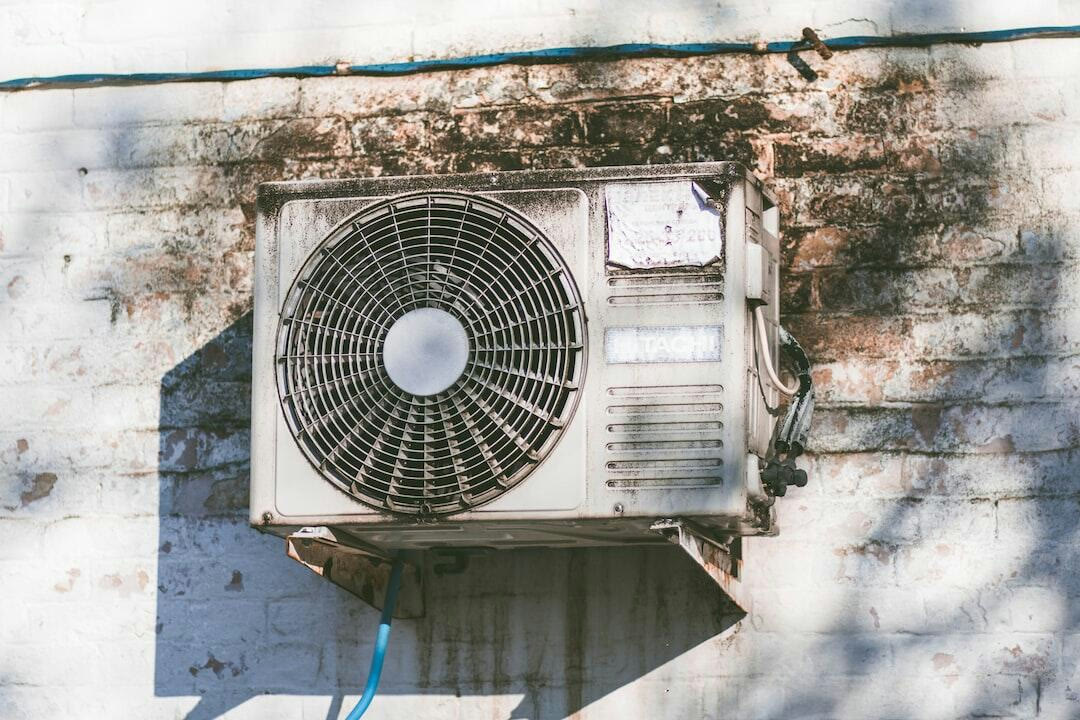
Every season brings new tasks for homeowners and property managers. Spring means getting ready for summer heat. Fall means preparing for colder nights. Your HVAC system is at the center of it all. When it’s cared for, it keeps your property comfortable and your bills under control. But a few common mistakes can lead to breakdowns, high costs and stressful repairs at the worst possible time. Here are the HVAC mistakes to avoid so seasonal property care stays simple.
Table of Contents
Skipping Seasonal Tune-Ups
Many people only think about their HVAC system when it stops working. By then, a small issue may have turned into a costly repair. Regular tune-ups help catch problems early.
ENERGY STAR’s heating and cooling maintenance checklist suggests having your cooling system checked in spring and your heating system checked in fall. A technician will tighten electrical connections, lubricate moving parts and check how the system starts and shuts down.
Booking these visits before the busy season also helps. Contractors fill up fast during the first heat wave or cold snap. Planning ahead means you’re not stuck waiting when you need help most.
Waiting Too Long to Call for Repairs
Many HVAC problems start small. You might notice a strange noise, weak airflow or a room that never feels quite right. It’s tempting to ignore these signs and hope they go away.
Unfortunately, small problems often grow. A worn part can fail and damage other parts of the system. In Georgia’s hot summers, a minor AC issue can turn into a full breakdown on the hottest day of the year.
If something seems off, act quickly. Calling a trusted team for AC repair around Carrollton can help you fix problems while they’re still simple. Quick repairs often cost less and keep your property comfortable.
Forgetting to Change Air Filters
A dirty air filter is one of the most common HVAC mistakes. It’s also one of the easiest to fix. When a filter clogs with dust, air can’t flow freely. Your system has to work harder to heat or cool your space.
This extra strain can raise your energy bills and wear out parts faster. It can also lower indoor air quality, which matters for anyone with allergies or asthma.
Check your filter every month. Replace it when it looks dirty, or at least as often as the maker suggests. Homes with pets or lots of dust may need changes more often. Write the date on each new filter so you remember when it went in.
Ignoring the Outdoor Unit
Your outdoor unit sits in the weather all year long. Leaves, grass clippings, dirt and pollen can pile up around it. Over time, this debris blocks airflow and makes the system less efficient.
Keep at least a couple of feet of open space around the unit. Trim back shrubs and pull weeds that grow too close. After storms, check for branches or other debris that may have landed on it.
Avoid stacking items like bikes, toys or yard tools against the unit. If you notice bent fins, strange noises or ice on the lines, call a pro. These can be signs of a bigger problem.
Setting the Thermostat the Wrong Way
Your thermostat controls how hard your system works. Setting it too high or too low can waste energy without making you any more comfortable. Cranking the AC to a very low setting won’t cool your home faster. It will just make the system run longer.
The U.S. Department of Energy explains how to use thermostats to save energy. It notes that turning your thermostat back 7 to 10 degrees for about 8 hours a day can cut yearly heating and cooling costs by up to about 10%.
A programmable or smart thermostat makes this easy. Set it to adjust while you’re asleep or away. Also make sure the thermostat isn’t placed near windows, doors or direct sunlight.
Blocking Vents and Returns
Furniture, rugs and curtains often end up covering vents without anyone noticing. Blocked supply vents stop warm or cool air from reaching the room. Blocked return vents make it harder for the system to pull air back in.
Some people also close vents in unused rooms, thinking it saves money. In many homes, this can actually upset the airflow and put extra stress on the system.
Walk through your property each season. Make sure vents and returns are clear and open. Vacuum dust from the vent covers, too. Good airflow helps every room stay comfortable. It also helps your system run as it was designed to.
Overlooking the Condensate Drain
Your air conditioner removes moisture from the air as it cools. That water flows out through a small condensate drain line. Over time, this line can clog with dirt, algae or mold.
When the drain clogs, water can back up and leak. This can damage ceilings, floors and walls. It may also raise indoor humidity and lead to musty smells.
Watch for water near your indoor unit or a damp spot on the ceiling below it. Your technician should check and clear the drain line during each tune-up. Catching a clog early can prevent costly water damage. This is especially important in humid summers, when the system removes a lot of moisture.
Skipping CO Safety Checks
If your property has a gas furnace or other fuel-burning equipment, carbon monoxide safety is a must. This gas has no color or smell, so you can’t tell when it’s present.
The U.S. Consumer Product Safety Commission shares tips to prevent carbon monoxide poisoning. It advises installing CO alarms on each level of the home and outside sleeping areas. It also recommends testing alarms every month.
Make CO checks part of your fall routine. Have your heating system inspected, replace alarm batteries as needed, and keep outdoor vents clear. If an alarm sounds, get everyone outside right away and call 911.
Conclusion: Keep Every Season Running Smoothly
HVAC care doesn’t have to be hard. Avoiding these common mistakes can protect your system, lower your energy bills and keep your property safe and comfortable all year. Schedule tune-ups, change filters and act fast when something seems wrong. McCoy & Son Heating and Cooling has served the Carrollton area for over 30 years. If you’d like to learn more, check out more articles on our blog.