
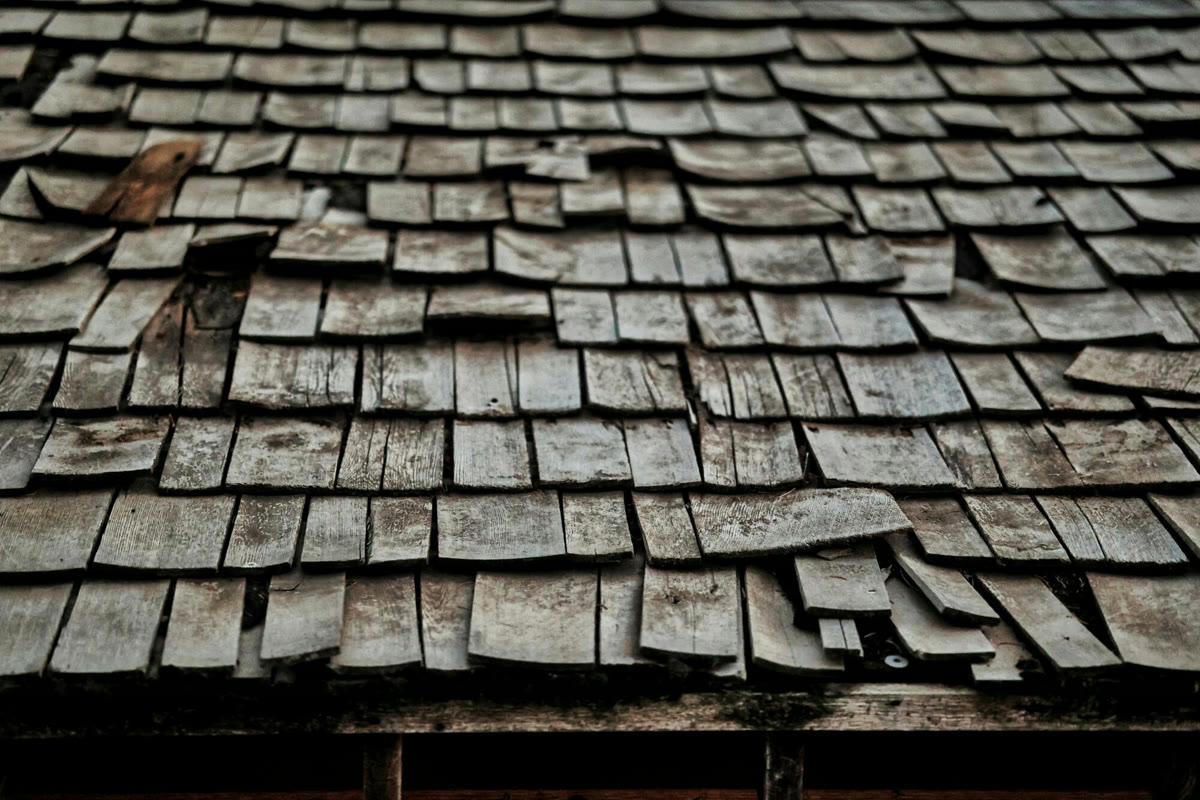
A new roof is one of the biggest investments you’ll make in your home. It protects everything under it, from your family to your furniture. It also plays a big role in comfort, energy use and curb appeal. Because a roof can last for decades, the choices you make now will matter for many years. Before you sign a contract, it pays to slow down and think through the details. Here are the most important things to consider before replacing your roof.
Table of Contents
- Repair or Replace? Know the Signs
- Hire a Registered Contractor
- Choose the Right Roofing Material
- Plan for Erie’s Winter Weather
- Consider Energy Efficiency and Color
- Don’t Overlook Ventilation and Insulation
- Understand the Full Cost
- Compare Warranties Carefully
- Conclusion: Make Your New Roof a Smart Investment
Repair or Replace? Know the Signs
Not every roof problem calls for a full replacement. A few missing shingles or a small leak can often be repaired. But some signs point to a roof that’s near the end of its life.
Watch for these common warning signs:
- Curling or cracked shingles
- Large bald spots
- Sagging roof sections
- Frequent leaks
- Granules in gutters
The age of your roof matters, too. If it’s old and showing several of these signs, replacing it may save money over time. A professional inspection can help you make the right call. A good roofer will show you photos of the problem areas and explain your options.
Hire a Registered Contractor
The contractor you choose matters as much as the materials. In Pennsylvania, most home improvement contractors must register with the state. Ask for the contractor’s registration number and check it before you sign. Also ask for proof of insurance and local references. Be wary of anyone who pressures you to sign right away or asks for full payment upfront.
When you’re ready to get started, look for a team that specializes in Erie home roof replacements and understands local weather. A detailed quote from a local expert gives you a clear picture of what to expect. A reliable roofer will explain every step, answer your questions and put everything in writing.
Choose the Right Roofing Material
The material you choose affects cost, looks and how long your roof will last. Asphalt shingles are the most common choice. They’re affordable, come in many styles and work well on most homes.
Metal roofs cost more upfront, but they can last much longer. They also shed snow well and resist many types of weather damage. Other options include slate, tile and wood shakes, which offer a high-end look but need the right roof structure and skilled installers.
Think about how long you plan to stay in your home. If you plan to stay for many years, a longer-lasting material may be worth the extra cost. If you may sell soon, a quality shingle roof can still boost curb appeal and value.
Plan for Erie’s Winter Weather
Erie winters bring heavy lake-effect snow. That snow can lead to ice dams, which form when melted snow refreezes at the edge of the roof. Water can then back up under the shingles and leak into your home.
The Building America Solution Center explains how to build roofs that help prevent ice dams. It notes that self-adhering ice and water membranes are standard practice in areas where ice dams are common. These membranes go under the shingles at the eaves, valleys and other leak-prone spots.
Ask your roofer how they plan to protect your roof from ice and snow. The right underlayment can make a big difference in a snowy climate.
Consider Energy Efficiency and Color
Your roof’s color and material can affect your energy use. Light-colored or reflective roofs stay cooler in the sun, which can lower cooling costs in summer.
The U.S. Department of Energy’s guide to cool roofs explains that these roofs save the most energy in hot climates. In colder areas, they may slightly raise heating needs in winter because they absorb less of the sun’s heat.
For homes in northern climates like Erie, color is often more about style than big energy savings. Talk with your roofer about which shades and materials make the most sense for your home and budget.
Don’t Overlook Ventilation and Insulation
A roof is more than just shingles. What happens underneath matters just as much. Good attic ventilation lets heat and moisture escape. Without it, moisture can build up and damage the roof deck from below.
Proper insulation and air sealing also help. They keep warm air from your living space out of the attic. This lowers the risk of ice dams and helps your home stay comfortable.
A roof replacement is a great time to check these areas. Ask your contractor to inspect the attic and suggest any needed upgrades before the new roof goes on.
Understand the Full Cost
Roof replacement costs depend on many factors. These include the size and pitch of your roof, the material you choose and how many layers need to be removed. Damage to the wood decking underneath can also add to the cost.
Always ask for a written estimate that lists each part of the job. Make sure it includes tear-off, disposal, underlayment, flashing and cleanup. This helps you compare quotes fairly and avoid surprises later.
Your final contract should be just as clear. The Pennsylvania Attorney General’s Office answers common questions about home improvement contractor registration. It notes that contracts over $500 must be in writing and include the total price, start and end dates and a description of the work.
Compare Warranties Carefully
Not all roof warranties are the same. Most roofs come with two types of coverage. A manufacturer’s warranty covers defects in the materials. A workmanship warranty covers mistakes in how the roof was installed.
Read the terms closely. Find out how long each warranty lasts, what it covers and what could void it. Some warranties require the roof to be installed by a certified contractor.
Keep copies of all warranty papers in a safe place. They’ll be important if a problem ever comes up or if you decide to sell your home. Register your warranty with the manufacturer if required.
Conclusion: Make Your New Roof a Smart Investment
Replacing your roof is a big decision, but careful planning makes it easier. Know the signs, choose the right materials and plan for Erie’s snowy winters. Check ventilation, compare costs and warranties and hire a registered contractor you can trust. Taking these steps helps your new roof protect your home for years to come. If you’d like to learn more, check out more articles on our blog.