
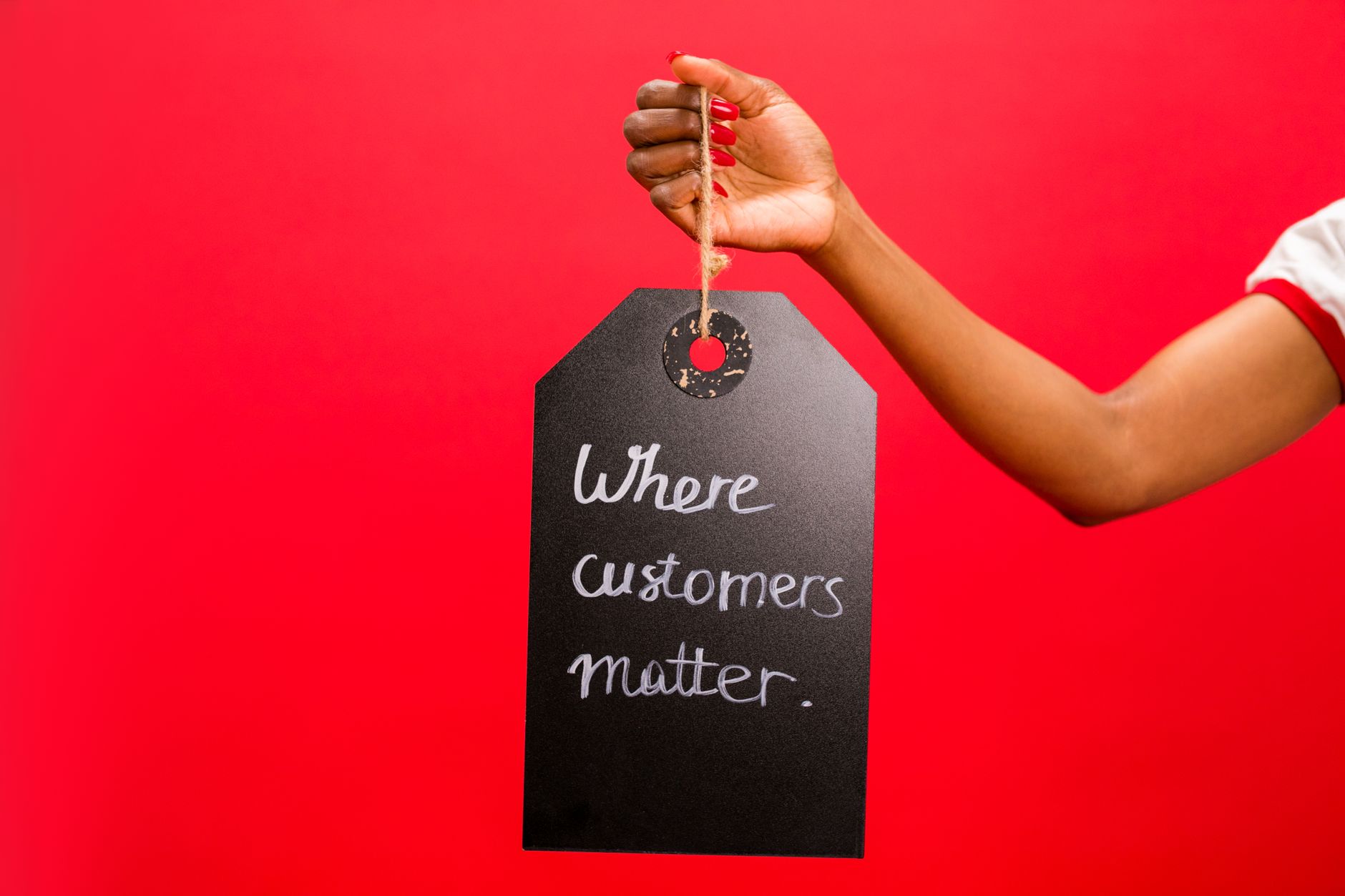
When sales slow down, most small business owners reach for the same lever: a bigger ad budget. More clicks, more impressions, more new faces through the door. It feels like action, and for a while it can even work.
But if existing customers are quietly drifting away, a larger budget mostly pays to replace people you already won once.
Take a driving school. A student finishes three lessons, means to book the fourth, and never does. Nobody follows up because nobody notices. The school loses the remaining lessons, the road test package and the referral to a younger sibling. Schools that run on driving school management software can catch these stalled students early, because the system flags anyone with no upcoming lesson booked.
Retention also depends on something owners rarely connect to loyalty: search visibility. Returning customers seldom dig up an old receipt to find your number. They search again and tap whatever appears first. If that is a competitor, you lose a loyal customer who never decided to leave. That is one reason many small businesses work with a website design and local seo marketing agency to keep their site, business profile and reviews ready for people coming back, not just those arriving for the first time.
The good news is that most retention fixes cost attention rather than ad dollars. Here is where to focus.
Table of Contents
Why Keeping Customers Pays More Than Finding New Ones
Harvard Business Review has noted that, depending on the industry and the study, winning a new customer can cost five to 25 times more than keeping an existing one. The exact ratio matters less than the direction. Every returning customer is revenue you do not have to buy twice.
Returning customers are also easier to serve. They know how you work, ask fewer questions and are the people most likely to recommend you.
The catch is that lost customers rarely announce themselves. Very few call to say they are leaving. They simply stop showing up, and one skipped visit turns into a habit of using someone else. Retention is less about winning people back and more about catching the drift early.
Four Moments Where Customers Start to Drift
Drift tends to begin at the same predictable points. Fix these four and you fix most of the problem.
1. Right after the first purchase
The job is done, the invoice is paid, and the customer leaves with no clear reason to return. Close every first transaction with a specific next step: a recommended follow-up, a seasonal check or the next appointment already on the calendar. A suggestion made in person carries far more weight than a reminder sent later.
2. During the wait
Customers handle delays much better than silence. A short note such as “Your part has arrived and we can finish this week” keeps trust intact. Set a simple rule: no customer with pending work goes more than a few days without hearing from you.
3. After a small problem
A late arrival or a billing error rarely loses a customer on its own. A slow or defensive response does. Fix it fast, own it plainly and check in once it is resolved. A problem handled well often earns more goodwill than a job that went perfectly.
4. At the natural finish line
Some businesses have a built-in ending. A student passes the road test. A bathroom remodel is complete. This is where most owners let go, yet it is the best moment to ask for a review, offer a related service or invite a referral. A graduate’s younger sibling or a client’s next-door neighbor is often your warmest next customer.
Let Your Systems Remember So Your Team Doesn’t Have To
Every moment above depends on someone remembering to act. In a busy week, that is exactly what slips. The fix is not more effort. It is a setup that remembers for you.
Good systems keep each customer’s history in one place, trigger follow-ups when a job closes and flag accounts that have gone quiet for longer than usual. A customer portal or mobile app lets people rebook, pay or check status without calling, which removes the small frustrations that push them elsewhere.
This is often where growing businesses outgrow generic tools. NewAgeSysIT, a custom software development company based in Princeton, New Jersey, builds web platforms, mobile apps and AI-driven tools around how a business already serves its customers, so booking, reminders and messages live in one connected system rather than five separate apps. Whichever route you choose, the aim is the same: no customer should slip away because someone was too busy to notice.
Make It Easy to Find You a Second Time
Many people never save a business’s contact details. When they need you again, they search on Google, in Maps or through an AI assistant. Those assistants increasingly draw on your website, listings and reviews to decide who to recommend, so accurate information now works as a retention tool, not just a marketing one.
A few low-cost checks go a long way:
- Keep your business name, address, phone number and hours identical everywhere they appear online.
- Reply to reviews, especially critical ones. Returning customers read them too.
- Make rebooking possible in two or three taps from your homepage on a phone.
- Post regular updates to your Google Business Profile so it never looks abandoned.
None of this needs ad spend. It simply makes sure that when a past customer looks for you, they find you before they find someone else.
A Four-Week Retention Plan With No Extra Ad Spend
You do not need a loyalty program or a new budget to get started. Try this instead:
- Week one: find the quiet customers. List everyone who bought once and has not returned within your normal buying cycle.
- Week two: call ten of them. A friendly check-in surfaces the real reasons people drift, and it often wins a few back on the spot.
- Week three: fix the most common reason. If it is slow replies, set response targets. If it is a confusing booking process, simplify it.
- Week four: build a next step into every sale. Attach a follow-up date, a review request or a referral ask to the moment each job closes.
After that, track one number: the share of customers who come back within your usual cycle. If it climbs steadily, the plan is working.
Start With the Customers You Already Have
Advertising will always have a place, but it should not be the first fix for slowing sales. The people who trusted you once are cheaper to keep, easier to serve and more likely to send others your way.
Before you raise the ad budget again, open your customer list and ask one question: who have we stopped hearing from, and why? The answer may be the most profitable marketing you do all year.