
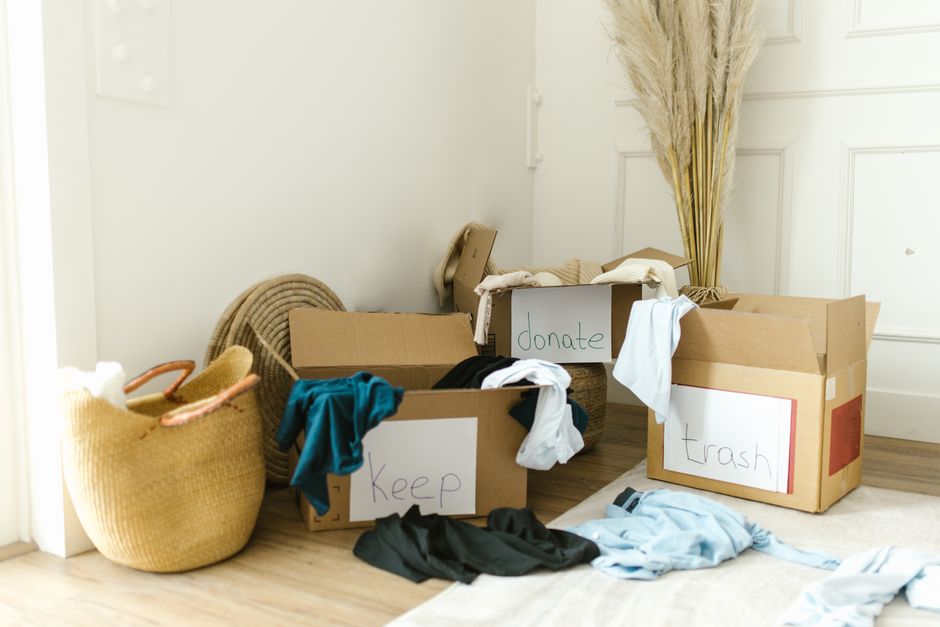
A cluttered home rarely starts with one dramatic event. It usually builds through busy weeks, impulse purchases, half-finished projects, and that one chair that slowly becomes a clothing mountain. If you’re trying to clean up your space without turning your weekend into a stress marathon, a smarter approach helps. In a place like Vernon Hills, where homes range from compact townhouses to larger family properties, decluttering works best when you match your plan to your space, schedule, and the amount of junk you actually need gone.
Table of Contents
- Start by figuring out what kind of clutter you actually have
- Bring in help for heavy, bulky, or time-consuming junk removal
- Use a room-by-room strategy so the process doesn’t spiral
- Know when donating, recycling, or tossing makes the most sense
- Pay attention to local and real-world disposal issues
- Keep your home from sliding back into clutter mode
Start by figuring out what kind of clutter you actually have
Before you grab trash bags and go full cleanup mode, take a quick look at what’s filling your space. Not all clutter is the same, and treating everything like ordinary trash can waste time.
You’re usually dealing with one or more of these categories:
– Everyday clutter like clothes, papers, cords, and random kitchen items
– Bulky junk such as broken furniture, mattresses, or outdated exercise equipment
– Renovation debris from DIY upgrades or home repairs
– Sentimental items you don’t use but struggle to part with
– Storage overflow from garages, basements, and spare rooms
That breakdown matters. A drawer full of old receipts needs a different solution than a cracked sectional sitting in your basement like it pays rent.
Walk room by room and make a fast list. Don’t organize yet. Just identify the volume and type of mess. Once you know what you’re dealing with, it becomes much easier to decide what you can donate, what can be recycled, and what needs professional hauling.
Bring in help for heavy, bulky, or time-consuming junk removal
There’s a point where DIY stops being efficient. If you’re dealing with large furniture, old appliances, yard debris, or the aftermath of a renovation, professional hauling can save your back, your car, and your entire Saturday.
That’s where services like Junk Destroyers in Vernon Hills fit naturally into the process. If you need bulky junk removed quickly, using a local hauling service can make a clutter reset much more manageable, especially when your cleanup includes items regular trash pickup won’t take.
Professional removal is especially useful when you’re handling:
– Estate cleanouts
– Move-out junk
– Garage or basement overhauls
– Post-remodel debris
– Furniture and appliance disposal
You also avoid the classic cleanup headache of loading your vehicle, driving to a disposal site, learning half the items aren’t accepted, and driving back with a trunk full of regret. Sometimes efficiency is the real home improvement move.
Use a room-by-room strategy so the process doesn’t spiral
Decluttering gets messy when you try to fix the whole house at once. You pull things out, start second-guessing every object, and suddenly your hallway looks worse than when you began.
A room-by-room system keeps things under control. Focus on one area at a time and give each item one of four jobs:
– Keep
– Donate
– Recycle
– Remove
Start with a lower-emotion zone like a bathroom, laundry room, or entry closet. Those spaces usually offer quick wins. Bedrooms and garages take more stamina, so it helps to build momentum first.
Set a realistic timer, usually 45 to 90 minutes. That’s long enough to make progress but short enough to avoid burnout. If you have kids or siblings helping, assign narrow tasks. One person sorts toys, another handles bags, another wipes down empty surfaces.
Keep pathways clear as you work. Large piles in the middle of the floor tend to create instant chaos. You’re decluttering, not building an obstacle course.
Know when donating, recycling, or tossing makes the most sense
A big part of decluttering well is avoiding the “I’ll deal with it later” trap. That often means bags sit in your trunk for two weeks, electronics gather in the garage, and the cleanup stalls out.
Use practical rules. If something works, is clean, and someone else could reasonably use it, donating makes sense. Local donation centers often accept:
– Clothing in good condition
– Small furniture
– Kitchenware
– Books and toys
– Home decor
Recycling is the better move for materials that shouldn’t hit the landfill, including cardboard, metal, certain electronics, and some appliances. Check local guidelines before dropping anything off. Rules can vary more than people expect.
For broken, unsafe, stained, or unusable items, removal is usually the cleanest option. Keeping damaged stuff because it *might* be repairable someday is how garages become archaeological sites. A realistic decluttering plan leaves less room for fantasy projects and more room for actual living.
Pay attention to local and real-world disposal issues
Decluttering sounds simple until disposal rules enter the chat. Town pickup schedules, donation center restrictions, recycling requirements, and landfill fees can all affect your plan.
If you live in Vernon Hills or nearby, local logistics matter. A condo complex may have stricter disposal limitations than a single-family home. HOA rules can also affect where items can sit during cleanup. Leaving a mattress or broken desk by the curb without checking the rules can turn a productive day into a neighborhood complaint.
You should also think about access. Can a heavy item fit through the stairwell? Do you need help moving something from a basement? Are you clearing out after a tenant, a remodel, or a family downsizing situation? Those details shape how long the project takes and whether you can handle it alone.
The best decluttering plans aren’t just tidy on paper. They work in real homes, with real schedules, limited energy, and occasionally one very unhelpful piece of furniture that refuses to pivot.
Keep your home from sliding back into clutter mode
Getting rid of junk feels great. Keeping it from returning takes a few habits, not a dramatic personality transformation. You don’t need to become a minimalist guru who owns three plates and a lamp.
What helps most is setting simple limits:
– Don’t store items without a clear use or place
– Follow a one-in, one-out rule for clothes and decor
– Keep a donation bag in a closet or laundry area
– Schedule a 15-minute reset once a week
– Recheck storage zones every season
It also helps to notice your clutter patterns. Maybe unopened packages collect near the door. Maybe the garage becomes the default “deal with later” zone. Maybe your desk attracts paper like it’s magnetic. Once you see the pattern, you can interrupt it earlier.
A cleaner home isn’t about perfection. It’s about making your space easier to use, easier to maintain, and less mentally noisy. When your home works better, everyday tasks feel lighter. And that’s a pretty solid reward for finally getting rid of the stuff you never wanted to trip over in the first place.