
Have you ever wondered how to clear land without harming the environment? Traditional methods often leave lasting damage to soil, water, and wildlife. But today, new approaches make responsible land preparation possible.
Eco-friendly land-clearing practices help protect nature while making space for construction or farming. These methods protect the land's health and support local ecosystems. Homeowners, farmers, and builders can all benefit from learning about these options.
This guide shares easy-to-follow tips for clearing land the green way. Keep on reading!
Table of Contents
Understanding Eco-Friendly Land Clearing
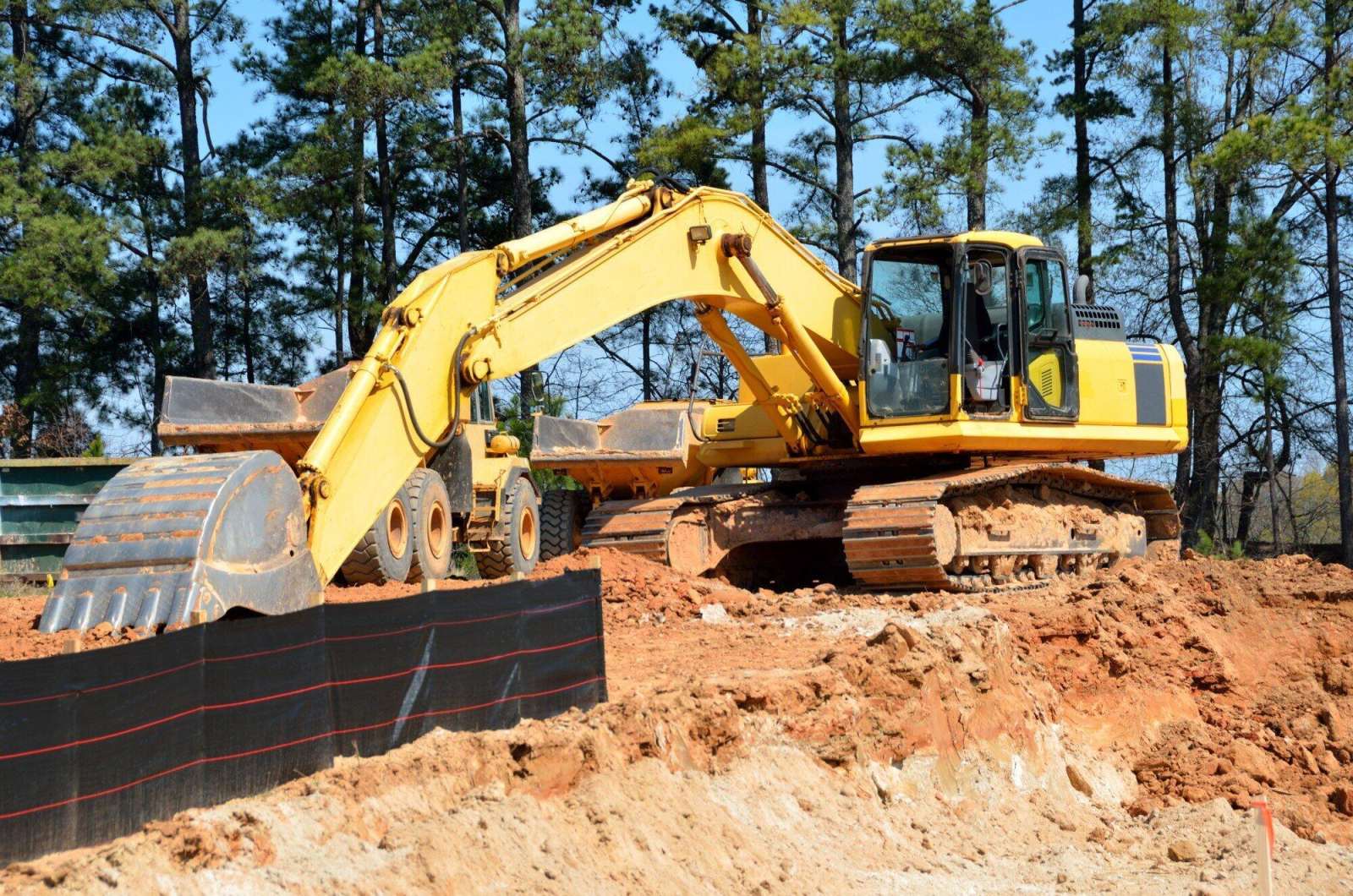
Eco-friendly land clearing involves removing plants and debris with minimal harm to the environment. It avoids using heavy machinery that can damage soil and nearby water sources.
Techniques like hand-clearing and mulching help protect delicate plant and animal life. Safe land clearing methods also reduce air and water pollution. Choosing the right approach keeps the land healthy for future use.
The Importance of Planning Ahead
Planning is the first step in any eco-friendly land clearing project. Assessing the land helps identify valuable plants and wildlife worth saving.
Marking areas for protection prevents unnecessary damage during clearing. A good plan also considers erosion risks and water flow. Careful planning ensures every step supports environmental health.
Manual Clearing Methods
Manual clearing uses simple tools like saws, clippers, and shovels. This method is slow but gentle on the environment.
Workers can select which plants to remove and which to keep. Manual clearing avoids disturbing the soil.
Mulching and Chipping for Soil Health
Mulching and chipping turn cleared plants into a valuable resource. Spreading mulch over the ground keeps soil moist and healthy. Mulch also slows weed regrowth.
The process recycles plant material instead of sending it to landfills. It supports healthy soil for future planting or building.
Hiring Professional Land Clearing Contractors
Sometimes, a project needs expert help to get the job done safely. Many land clearing contractors now use eco-friendly equipment and techniques to minimize environmental impact.
These professionals know how to protect water sources and keep soil in good shape. They can also handle large or complicated jobs that require special machinery.
Protecting Wildlife During Clearing
Clearing land can disturb local animals and their homes. Before you begin, look for nests, burrows, or other signs of wildlife.
Safe land clearing practices include moving animals gently or waiting until young animals leave their nests. Setting up safe zones helps avoid harming sensitive species. Protecting wildlife is an important part of eco-friendly land clearing.
Smart Waste Management
Eco-friendly land clearing does not end once the plants are removed. Responsible waste management means recycling or composting as much plant material as possible.
Burning or dumping waste can harm air and water quality. Sorting waste helps keep harmful materials out of the environment. Good waste management protects the land for years to come.
Your Path to Greener Land Clearing
Eco-friendly land clearing is possible with careful planning and the right techniques. These methods protect soil, water, and wildlife while preparing land for new uses. From hand tools to hiring green-minded contractors, every step matters.
Mulching and smart waste management keep the land healthy for the future. Eco-friendly practices also support local ecosystems. Responsible land clearing benefits people and the planet.
Did you like this guide? Great! Please browse our website for more!