
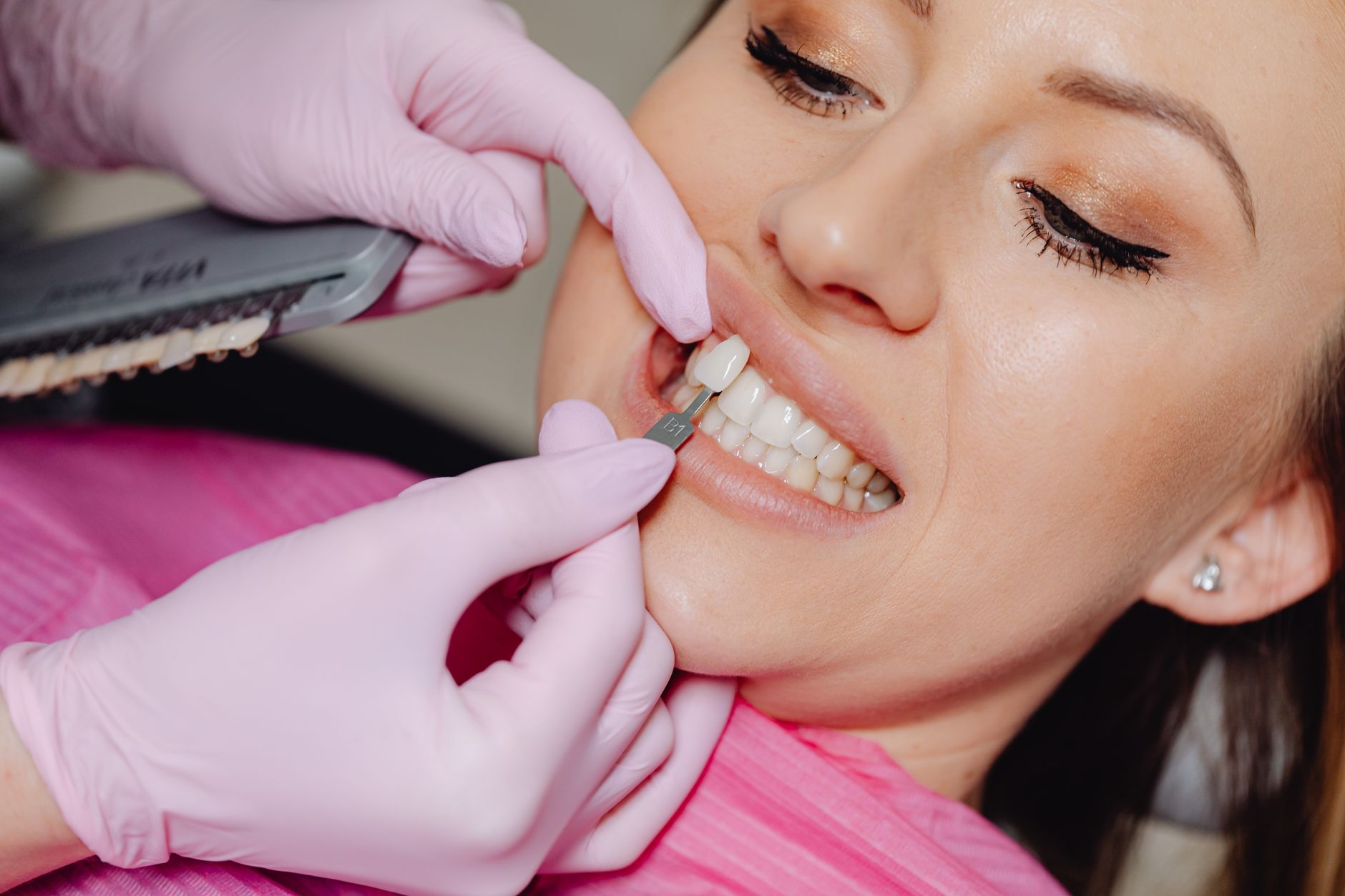
Forty minutes. That is roughly how long the average dental visit lasts, and it explains almost everything about why people dread the chair. You get parked, wiped down, inspected, polished, and pushed out the door before you have finished forming a question about the weird twinge on your left side. The boutique model bets that the problem was never the drill. It was the schedule.
Winnipeg is a good place to watch that bet play out. The city has no shortage of clinics, and the ones worth your time have started competing on something other than location and parking. They compete on how the hour feels. If you want to see what that looks like in practice, a dentist in winnipeg at Lumi Dental is a useful reference point: a small studio in the southwest of the city, four languages at the front desk, and a booking flow that puts the visit on your calendar instead of the other way around.
Here is what I mean by boutique, so we are using the same word. It's not decoration. It's a business model where the clinic deliberately caps how many patients a day it sees so each appointment gets real time. That choice drives everything downstream, from what the hygienist can actually finish in one sitting to whether the dentist has room to explain a treatment before your jaw goes numb.
What actually changes when the schedule loosens
Most dental anxiety isn't fear of pain. It's fear of the unknown combined with fear of the clock. Compress those two together and you get a patient who agrees to whatever is proposed just to leave faster, then cancels the follow-up. The National Institutes of Health has published extensively on dental fear as a recognized barrier to care, which tells you the industry knows the problem is behavioral, not technical.
When a studio builds its day around fewer, longer slots, three things shift. The exam gets a conversation. The treatment plan gets presented while you are sitting upright instead of reclined with instruments in your mouth. And the check-out desk has time to actually book the next visit instead of handing you a card. None of that requires new equipment. It requires a tighter patient list.
You'll notice the tradeoff fast. Boutique studios tend to book further out and run fewer evening slots. If you need a same-day emergency fix on a Tuesday night, a big multi-chair practice will usually beat them. Know which problem you have before you pick a side.
Reading a clinic's real personality in ten minutes
Every clinic website claims a calm environment. Ignore the claims and read the operational details instead. They leak the truth.
- The booking page. If it asks you to choose a specific appointment length, they're protecting time. If it only offers "call us," they're protecting the phone line.
- The languages listed. A studio that advertises service in several languages usually has staff who actually speak them, which matters if anyone in your household is more comfortable outside English.
- What the services page omits. A short list of services means they refer out. A sprawling list means they do everything, sometimes thinly.
- Where new patients are told to park. Tiny detail, huge signal about whether anyone has walked the route themselves.
Then look at the hygiene layer, the part nobody markets. The Centers for Disease Control and Prevention maintains published infection control guidance for dental settings, and every legitimate clinic in Manitoba follows some version of that standard. You don't need to audit it. You do need to know it exists so you can ask a plain question without feeling rude: "Who handles sterilization, and can I see the room?" A good studio says yes without blinking.
Why the front desk is the whole ballgame
I'll take a plain room with a sharp receptionist over a marble lobby every single time. The front desk is where a clinic's promises either survive or die. They handle the insurance estimate, the reminder text, the reschedule when your kid spikes a fever at 7 a.m. If that person sounds rushed and vague on the phone, the clinical experience probably matches.
Test it before you commit. Call with something mildly annoying, like asking whether they direct bill your specific plan or what happens if you're five minutes late. Listen for a straight answer versus a transfer. You're not being difficult. You're sampling the part of the business you'll actually interact with four times a year.
One more thing worth saying: a boutique format doesn't automatically mean better dentistry. Small clinics can be excellent or mediocre, same as anywhere. The format only buys you attention. Attention plus a clinician who uses it well is the whole prize.
The first-visit script I'd use
Walk in with four questions and you'll learn more in five minutes than an hour of browsing reviews.
|
Question |
What a good answer sounds like |
|
"How long is a new patient exam?" |
A specific number, usually 45 to 60 minutes, plus a note on whether X-rays happen the same day. |
|
"Who will I see mostly, the dentist or the hygienist?" |
A clear split with names, because continuity is the actual product. |
|
"What's your process if I need something beyond a cleaning?" |
An explanation of how a plan gets built and priced before anything is scheduled. |
|
"Can I get the estimate in writing first?" |
An easy yes. Hesitation here is your signal to keep looking. |
Write the answers down in your phone. You'll forget by the time you reach the parking lot, and comparing two studios from memory is how people end up choosing whichever one had better snacks.
The boring rules that still apply everywhere
No model, boutique or otherwise, gets to skip the fundamentals. Lab work in Canada runs under federal oversight of medical devices through Health Canada, so a clinic's crowns and appliances come through a regulated chain regardless of how pretty the waiting room is. That's the floor, not a selling point.
What you control is simpler. Keep the cleaning interval your clinician recommends rather than the one your calendar prefers. Say something the moment a tooth feels different instead of waiting for a scheduled visit. And if a clinic's estimate surprises you, ask for the line items. Every province has fee guides published for exactly this reason.
Honestly, the boutique shift is less about luxury service than about undoing a compression problem the industry created for itself. Longer visits cost more to run. Clinics that choose them are making a bet that you'll notice. Most people do, right around the second appointment, when the hygienist remembers which side you sleep on and doesn't ask you to explain it again.
So the next time you're comparing Winnipeg clinics, skip the photo of the lobby. Call the front desk, ask how long a new patient exam takes, and see who gives you a real number. That two-minute conversation tells you more than any website ever will, and it's free. What's the last question you asked a clinic before booking, and did you like the answer?