
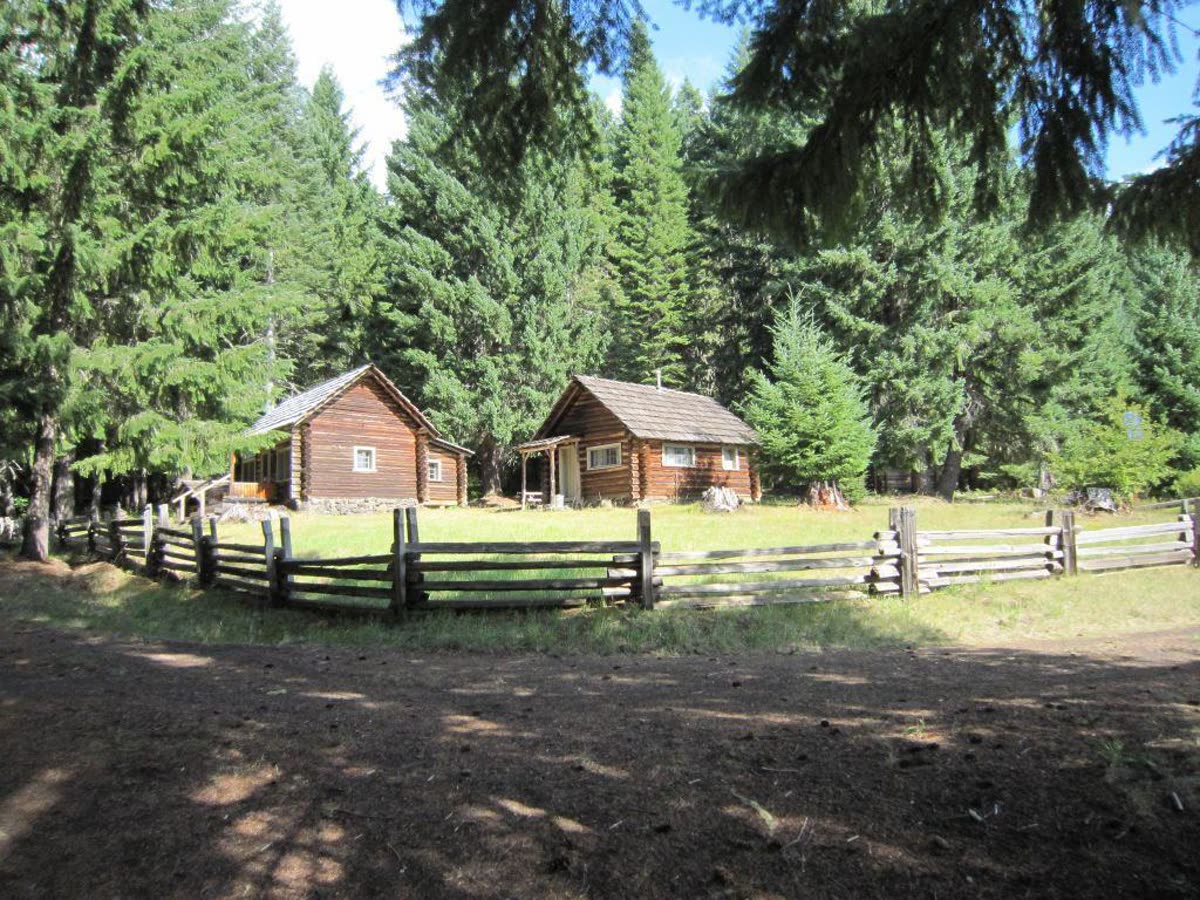
Operating a modest eco-lodge or outdoor retreat is among the most fulfilling paths into hospitality. You work amid woods and water, welcome people who show up exhausted and depart replenished, and run the place with a land-first ethic. Filling those cabins week after week without burning cash on ads, though, still keeps plenty of owners awake.
Smaller sites hold structural strengths big hotel brands cannot copy. Closeness, a handmade stay, and a felt bond with the setting spark referrals more strongly than paid media. The skill is turning that organic momentum into a reliable flow of reservations.
Table of Contents
Start With the Guest Who Already Loves You
Former visitors remain your most overlooked promotional resource. Anyone who has already slept in your cabin, taken in your air, and sat by your fire is a ready champion. A short email sequence two weeks after departure, then again around six months later, can trigger return stays and introductions at almost no expense.
Invite reviews on Google or a booking site while the visit is still vivid. A few fresh reviews each month stack into standing that outranks rivals who never request them. Offer a simple referral perk: a modest future-stay discount for every friend who books. No loyalty software is required. A spreadsheet plus a personal note is enough.
Build Partnerships With Aligned Businesses
Eco-lodges and retreats sit inside a web of complementary operators. Yoga teachers, trail guides, foraging instructors, sound-bath hosts, and wellness coaches all want a striking setting for their own followers. Instead of fighting over the same traveler, become the venue they use.
A hosted-retreat deal usually takes one of two forms: a reduced block rate if the instructor fills the cabins, or full rate with a shared commission. Either path brings guests your own campaigns would miss. Extra programming also helps search, so people looking for a mountain yoga gathering can find you even if they never typed your lodge name.
Regional tourism offices, shops near state parks, and outdoor-gear stores deserve outreach too. A small brochure rack in the right shop, or a line in a local hiking newsletter, can beat a social ad for far less money.
Use Content to Pull in the Right Audience
A huge following is unnecessary. You only need the right searchers to discover you when they want a stay like yours. A few carefully written posts aimed at phrases such as “off-grid cabin weekend near [your region],” “best eco-retreat for couples,” or “unplugged vacation ideas” can feed organic visits for years.
Brief video works the same way. A one-minute clip of mist on the lake, a sunset time-lapse from the fire pit, or a half-minute cabin walkthrough costs nothing on a phone. Publish natively to Instagram Reels or YouTube Shorts. Those formats get algorithmic preference and often travel past your current audience.
Photography is worth one paid session. An afternoon with a capable shooter stocks months of images. Favor shots that convey the stay itself, a hammock between pines, a steaming mug on a frosted rail, a family laughing by the fire, rather than only building exteriors.
Experiment With Outreach Beyond Organic
Even without a paid-ad budget, you can act instead of waiting. Travel writers, sustainability bloggers, and outdoor lifestyle creators with mid-size followings often want places to cover. A tailored note offering a complimentary night in return for a feature can land in the right inbox and outpace a boosted post.
For owners who want a more methodical way to reach planners, event coordinators, or corporate wellness buyers, the guests who reserve whole cabins for a week, outbound tools are easier to access than before. Some retreats have done well with AI-assisted outreach platforms; this tool, for example, researches your market, identifies high-intent prospects, and helps send personalized outreach from pre-warmed domains, which can be a practical way to reach group booking decision-makers without hiring a sales team.
The aim is not spraying cold mail at random lists. It is locating the HR leads planning offsites, the facilitators hunting a new venue, or the coaches designing a signature program, then contacting them with something clearly useful. That kind of focus beats sheer volume.
Price Strategically to Smooth Out the Calendar
Vacant Monday cabins earn nothing. A modest midweek discount still covers fixed costs and may create a repeat guest. You do not need pricey software for flexible rates. Spot slow windows and package them: a midweek work-from-nature rate, a last-minute weekend escape, or a shoulder-season cut plus a guided walk or bonfire kit.
Bundles work especially well for eco-sites because visitors already value experiences over extras. A “slow morning” offer with farm breakfast delivery and an hour of kayak use feels elevated even if the room rate stays modest. It also lifts booking value without adding cabins.
Turn Your Property Into a Destination for Group Buyouts
One of the strongest moves for a small eco-lodge is offering the whole site for exclusive buyouts. Eight to twenty people taking every cabin for a weekend often out-earn a full week of one-off stays. Corporate teams, celebrations, family reunions, and wellness groups already hunt for properties that allow this.
State buyout availability plainly on your site and booking pages. Prepare a simple one-page PDF covering pricing, group extras, and what sets your place apart for shared stays. Coordinators can forward it, decision-makers can review it, and it can appear in Facebook groups where people request venue ideas.
Small eco-lodges that stay booked rarely win with the largest ad spend. They win by tending ties with guests, forming partnerships that widen reach, and remaining visible in the communities where their ideal visitors already spend time.
