
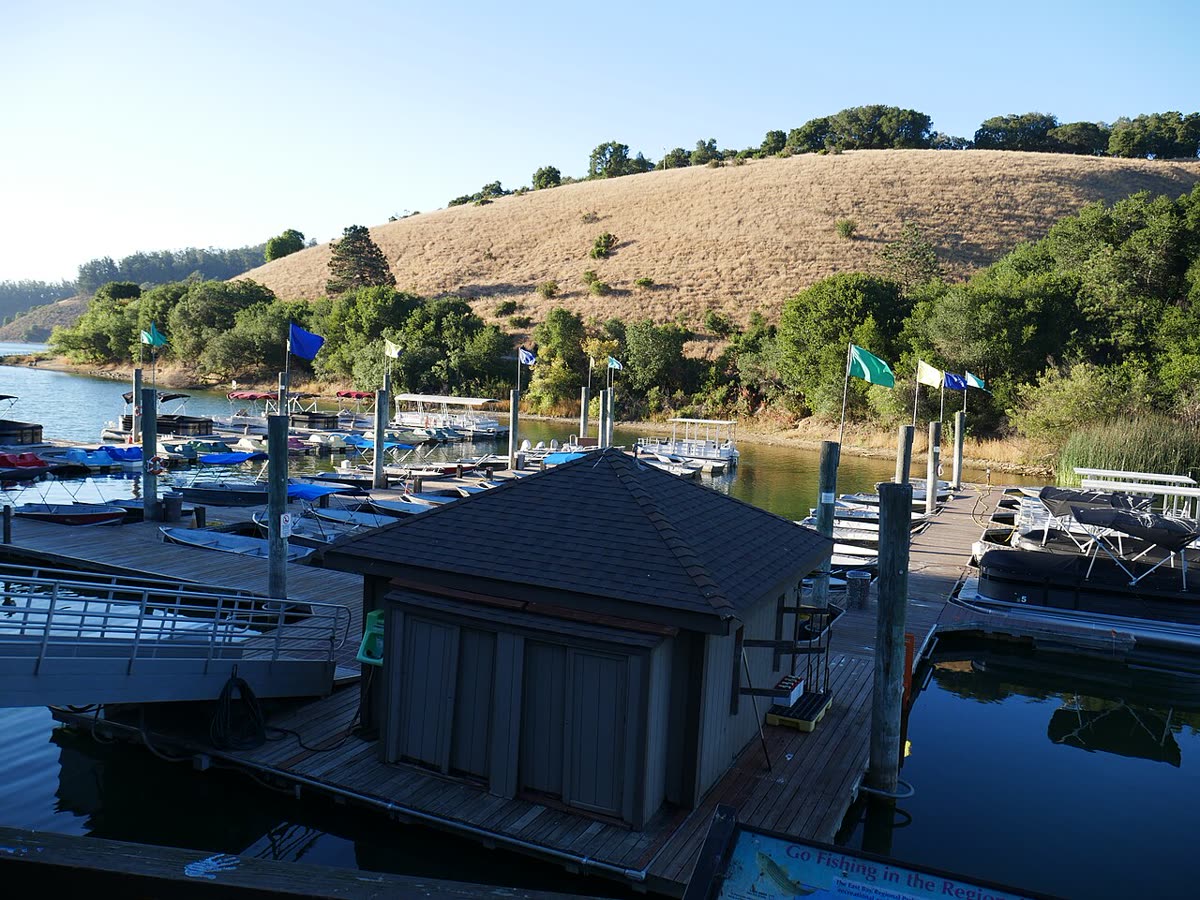
Taking a boat trip with a group of people is a great way to have fun with your family, friends, or even coworkers during the vacation. You can enjoy the time spent on the boat by sailing along the coastline, fishing, or exploring the nearby rivers. Choosing a proper boat is the first thing you should do before making any reservation. There are a few things that you need to check, such as the fuel system, the maximum number of passengers allowed, the weather forecast, and some food that’s going to be available on board. If you check those things beforehand, you will avoid additional expenses and have a good time.
If you want to simplify the process of planning your boat trip, visiting the marina and the boats might make it simpler. Riviera Marina is a great choice if you need to find some information regarding the services a marina can provide. It’s also recommended to read the terms of renting before finalizing the lease.
Table of Contents
1. Check the Fuel Policy Before Booking
Fuel policies can make a difference in the amount you’ll spend on your boat rental. Some providers include the price of the fuel in the rental fee, while other companies account for the fuel separately. This is important to know before you finalize your arrangements. That way, you will not be surprised by sudden charges for fuel.
Inquire with the provider regarding how fuel costs are being calculated. Find out whether the vessel has a full fuel tank. Determine the amount of fuel necessary for your trip. Larger vessels might consume more fuel than smaller ones, and longer trips might also require more fuel.
Lastly, be sure to check the following things before you depart:
- If fuel is included in the rental price;
- If you have to return the vessel with a full tank;
- What is the estimated fuel consumption for the trip?
- If you will have to pay extra for fuel.
- Whether there will be gas stations on the route.
2. Understand Passenger Capacity and Comfort
Every boat can hold only a certain number of people. You should not put more people on the boat than it can handle. The number it can take depends on the size, shape, how the weight is spread out, and what it needs to be safe.
When you book a trip, think about how many people are coming. Also, think about what you will do on the boat. A boat that is good for a small fishing trip may not be good for a big family trip. It may not have enough seats or space for everyone.
Comfort is another thing to think about. You should see if the boat has places to sit with shade, storage for things, restrooms you can use, and enough room on the deck. If people go with kids, they may need safety gear and easy ways to get on the boat.
3. Review Weather Conditions Before Departure
Weather can change boating conditions, especially in places near the coast and wide rivers or lakes. Strong winds, rain, storms, and big waves can make it feel bad to travel. It can also make the trip dangerous.
Look at trustworthy marine weather forecasts before the day you book. Also, look again on the morning you plan to go. Notice the wind speed, wave height, how clear it is, rain, and local weather alerts.
It is also good to know what rules the rental provider has about cancelling or rescheduling. Some operators let people change their booking if bad weather makes boating not safe.
4. Compare Vessel Features and Onboard Equipment
Different ships give you different things based on how big they are, what they are made for, and how they look. A boat used for fishing will have rod holders, spaces to put your stuff, and more room on the deck. A fun boat will have nice seats, things to help you have a good time, and places with shade.
Before you book, talk to the provider about what gear comes with the rental. Ask if they have navigation systems, communication tools, life jackets, first-aid kits, and emergency equipment. Make sure these are available.
Knowing about these features helps you make sure the vessel you choose is right for what you want to do.
5. Confirm Rental Terms and Safety Requirements
Rental agreements need to be read fully before you pay. Look at how long the reservation is for, what the deposit needs to be, any insurance, security costs, and if there are extra fees for coming back late.
Some providers ask renters to show that they have a boating licence or past boating know-how. Others let you rent boats that come with a captain. Knowing about these rules before you leave can help you avoid delays on your trip day.
Talk to the rental provider about where to leave from and when to be back. Ask about rules for where you can go and what to do if there is a problem. It is good to get this information first, especially if you do not know the local waterways well.
6. Plan the Route and Departure Schedule
It is important to plan an itinerary that will give you an idea of how long you can take, how much gas you will need, and which stops you will have along the way. Consider distances between each spot, water conditions, available docks, weather conditions, and the ability of crew members on your boat.
Allocate additional time in order to board, teach safety rules, refuel, and return the boat back. Avoid planning a trip that will make you hurry and put pressure on returning it in time.
Reserving a vessel for the day is not just about picking a boat that fits your needs. You have to look at fuel plans, how many people will be on board, weather, onboard gear, and rental rules. These things each shape what your day will be like. If you read over these details before your trip, you can feel ready and avoid surprise costs. It is good to check services at places like Riviera Marina. That way, boaters get a clear view of their choices and feel ready for a smooth day on the water.
