
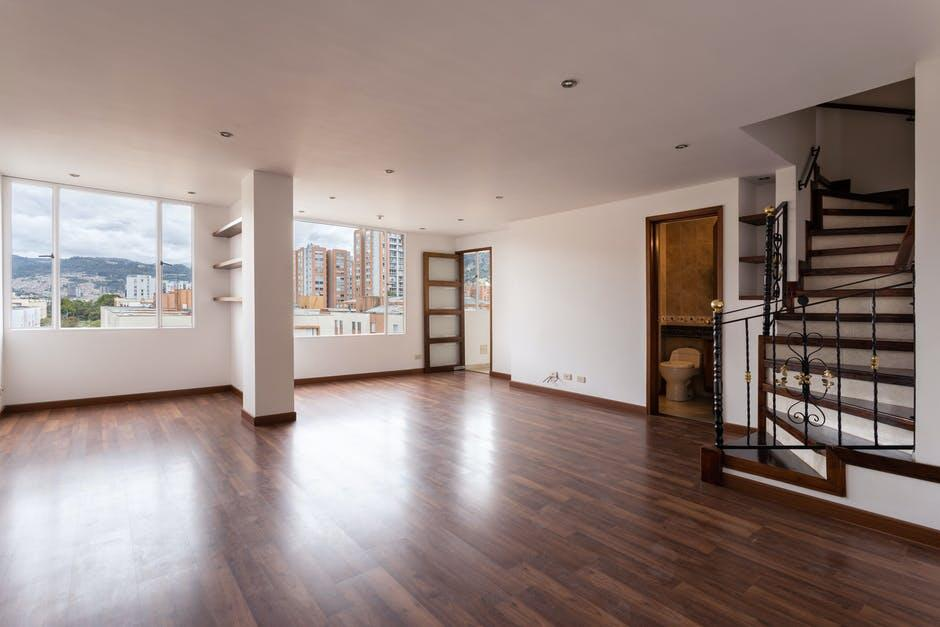
An empty house can become a costly worry. You may still pay taxes, insurance, and utility bills, even when no one lives there. Each passing month can also bring new repair needs.
If you own a vacant home, you have three main choices: rent it out, fix it up, or sell it. The right path depends on your budget, time, and plans. Here is how to weigh each option.
Table of Contents
Rent It Out for Regular Income
Renting may be a good fit if you want to keep the property. Monthly rent could help cover taxes, insurance, and other costs. You may also keep the home for future use.
However, being a landlord takes work. You must find tenants, handle repairs, and follow local rental rules. Empty months or late payments can affect your income.
Before listing the home, check its condition and compare local rents. Make sure the expected income can cover upkeep, fees, and a reserve for surprise repairs.
Renovate Before Making Your Next Move
A renovation may help an older home attract renters or buyers. Fresh paint, safe wiring, and fixed leaks can make a real difference. But large projects can quickly grow beyond your first estimate.
Start with an inspection and a list of needed repairs. Separate urgent safety issues from changes that mainly improve appearance. Ask contractors for written quotes before spending money.
If you hope to sell after the work, compare nearby sale prices. A new kitchen may look great, but it may not bring back its full cost. Keep room in your budget for delays.
Sell the Property Without Major Repairs
Selling may make sense if you no longer want to manage the house. A traditional listing could reach more buyers, but it may also involve cleaning, showings, and repair talks.
Some owners choose to sell as-is instead. This can reduce the work needed before closing, though buyers may offer less because of the property's condition.
For vacant homes in New Hampshire, you can read the guide here to explore how a cash sale may work. Compare any offer with local prices and check all fees before signing. A fast sale is useful only when the terms meet your needs.
Compare the Costs of Each Choice
Do not decide based on the sale price or monthly rent alone. Look at the money you will spend, the time required, and the risk of delays.
Use this short checklist:
Monthly holding costs
Expected repair bills
Possible rental income
Estimated selling expenses
Time you can commit
Consider how long the home may stay empty while you decide. Insurance terms can differ for vacant properties, so confirm that your coverage still applies.
Ask a tax adviser about any tax effects before making a final choice. It also helps to discuss the decision with anyone who shares ownership of the home.
Choose the Path That Fits Your Plans
There is no single best answer for every vacant property. Renting may bring income, renovating may improve appeal, and selling may end ongoing costs.
Review the numbers and choose what fits your life now. For more home-selling tips and property advice, explore our other blog posts.