
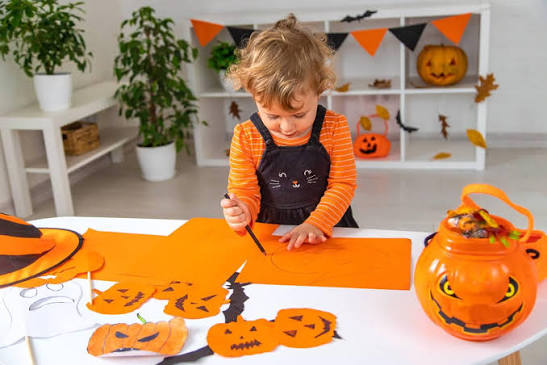
Preschool directors preparing for Halloween festivities often face a unique challenge: how to create a magical atmosphere that delights very young children without overwhelming their senses. A director walks into a classroom days before the event and hears concerns from staff about loud props and sudden effects that have startled toddlers in previous years. Young children are especially sensitive to noise and unpredictability, making it necessary to rethink traditional Halloween Entertainment for Children in these settings. The answer lies in choosing sensory-friendly, low-noise special effects and developing a progression of activities that match children’s developmental stages. By focusing on gentle visual effects, soft ambient sounds, and thorough staff preparation, directors can foster a joyful and safe holiday celebration that every child can enjoy.
Table of Contents
Sensory-Friendly Halloween Planning for Early Childhood Facilities
Planning a successful preschool Halloween event begins with understanding the sensory needs of toddlers. Many young children experience discomfort or anxiety with loud noises, flashing lights, or unpredictable movements. For this reason, event planners should prioritize activities and effects that consider common sensory sensitivities. A common approach is to use soft lighting, such as LED string lights in orange and purple, to create a festive atmosphere without harsh glare or sudden changes. Incorporating sensory bins filled with themed items—like soft fabric pumpkins or textured leaves—provides a hands-on, calming alternative to loud games or jump scares. Reviewing sensory processing considerations for early childhood events helps directors assess which effects suit their specific group, ensuring that all children feel included and comfortable during the celebration.
Selecting Low-Noise Special Effects Equipment for Young Children
Choosing the right special effects equipment is essential for toddler safety and comfort. Battery-operated bubble machines are a popular option because they produce a whimsical effect with minimal sound, captivating children without startling them. Handheld projectors that cast moving images of friendly ghosts or pumpkins onto walls can create visual excitement while remaining entirely silent. When evaluating fog machines or sound systems, opt for products labeled as “quiet operation” or those designed specifically for children’s environments. Ensuring all equipment is tested in advance helps avoid unpleasant surprises on the event day. To see how low-noise effects can be integrated into a larger celebration, explore how Halloween Entertainment for Children often features these gentle enhancements as part of their offerings for younger audiences. These types of solutions can transform a space into a festive environment without overwhelming sensitive ears or causing distress.
Designing Visually Engaging and Gentle Spooky Environments
Visual appeal plays a central role in preschool Halloween Entertainment for Children, especially when sound is limited. Window clings of smiling jack-o’-lanterns, wall decals of friendly witches, and non-scary cardboard cutouts can transform a classroom into a festive zone. Softly glowing lanterns shaped like bats or pumpkins provide ambient light that reassures rather than frightens. Using non-toxic window markers, staff can create collaborative mural projects, letting children help decorate in a way that feels interactive yet calm. Referencing age-appropriate Halloween décor guidelines ensures visuals are developmentally suitable and free of frightening imagery. The key is layering playful, gentle visuals that spark imagination while keeping the environment safe and welcoming for all children.
Implementing Staff Training Protocols for Calm Holiday Events
Staff preparation is the backbone of a successful, low-noise Halloween celebration. Preschool directors should organize pre-event training focused on recognizing and responding to signs of sensory overload in young children. Role-playing different scenarios—such as a child covering their ears or retreating from a new effect—equips staff to intervene calmly and redirect children to quieter activities. Providing staff with clear protocols for introducing new effects, like announcing when the bubble machine will start, helps children anticipate and adapt to changes without fear. Effective communication among team members ensures every adult knows the schedule and can provide consistent support, which is especially important for first-time preschool Halloween Entertainment for Children. Investing in training not only reduces the risk of distress but also empowers staff to create a nurturing holiday experience for every child.
Conclusion
Start your Halloween planning by evaluating your current effects and decorations through the lens of sensory safety. Select one low-noise special effect to pilot, seek staff feedback, and observe children’s responses. This practical, stepwise approach ensures every enhancement supports a joyful, inclusive celebration for your preschool community.
1 thought on “Toddler-Safe Special Effects: Low-Noise Halloween Entertainment for Children Progression Guide for Preschool Directors”