
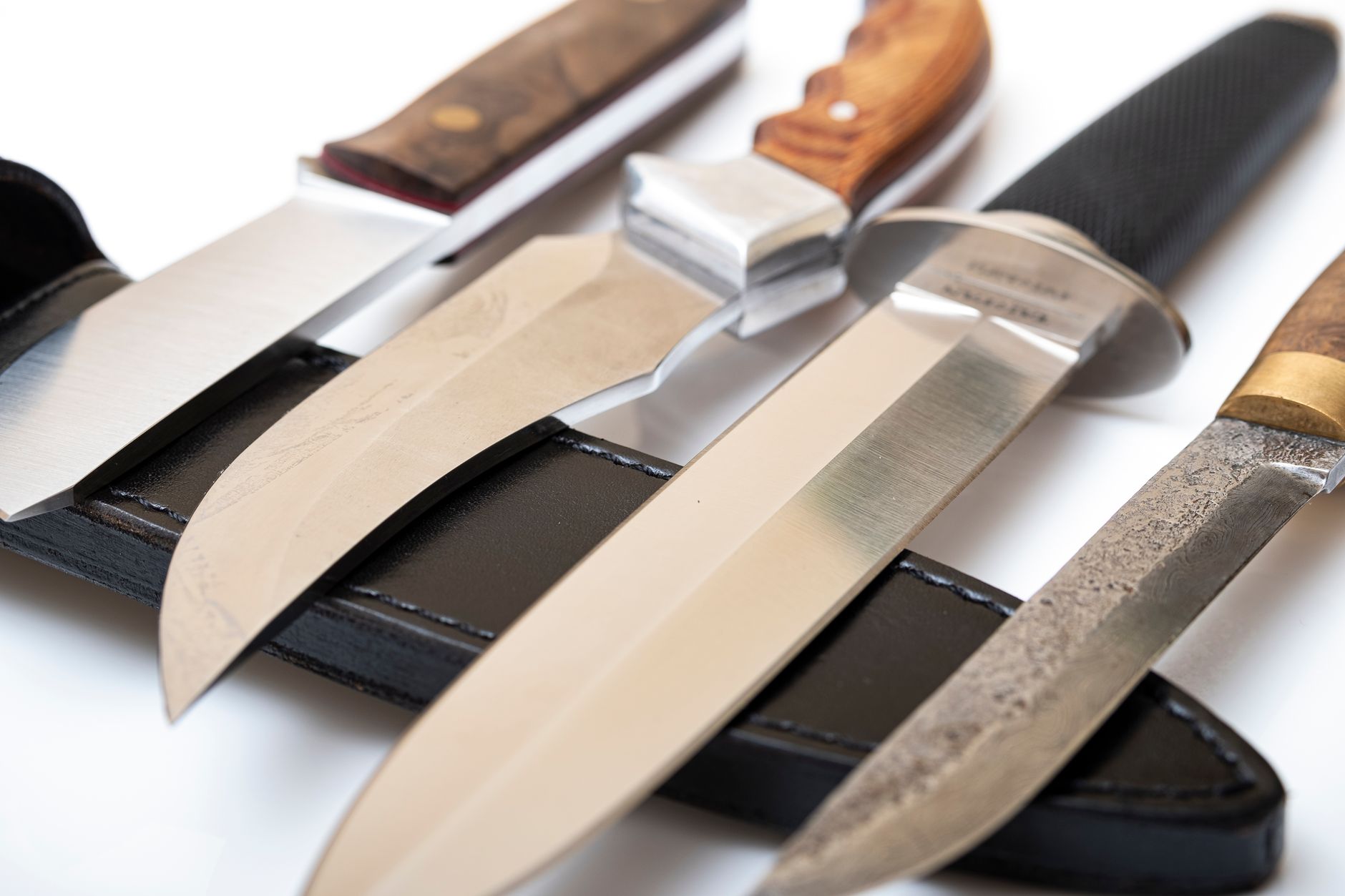
The knife industry continues to evolve as manufacturers introduce new designs, materials, and customization options. Among the different styles available, custom OTF knives have attracted attention from collectors, outdoor enthusiasts, and businesses looking for distinctive products. OTF stands for "Out The Front," describing a knife design in which the blade moves through the front of the handle rather than folding sideways.
Today, customization is an important part of the specialty knife market. Buyers and distributors often look beyond appearance and consider material quality, manufacturing consistency, finishing, and product specifications. Working with an experienced manufacturer can help businesses develop products that match their branding and market requirements.
Table of Contents
What Makes Custom OTF Knives Different?
Custom OTF knives stand out because they combine a distinctive mechanical design with opportunities for personalization. Unlike conventional folding knives, these models feature a blade housed inside the handle that moves forward through an internal mechanism.
Customization can cover several aspects of the product, including handle materials, surface finishes, colors, engraving, and packaging. Businesses can also work with manufacturers to develop designs that reflect their own product identity.
For collectors, visual details and construction quality can make a particular design more appealing. For distributors, consistent specifications and reliable production are equally important when building a recognizable product range.
Important Materials Used in Knife Manufacturing
Material selection plays a major role in the appearance, durability, and overall quality of a knife. Manufacturers consider different metals and handle materials depending on the intended design and production requirements.
Some commonly used materials include:
- D2 Steel: A popular tool steel valued for its wear resistance and practical performance.
- 154CM Steel: A stainless steel option used in various premium knife designs.
- M390 Steel: A premium stainless steel known for its wear resistance and corrosion resistance.
- Aluminum: A lightweight handle material that supports different colors and surface treatments.
- Titanium: A premium material appreciated for its strength and lightweight characteristics.
- G10 and Carbon Fiber: Materials frequently selected for their distinctive appearance and practical handle construction.
The right combination depends on the product specifications, manufacturing budget, and intended market.
Butterfly Knife Wholesale: What Businesses Should Consider
The specialty knife market includes several product categories, and butterfly knives remain recognizable among collectors and hobby enthusiasts. Also known as balisong knives, they feature a distinctive folding handle design that separates into two sections around the blade.
Businesses researching butterfly knife wholesale opportunities should evaluate more than the initial unit price. Product consistency, material specifications, packaging, supplier communication, and applicable regulations all deserve attention.
Before selecting a wholesale manufacturer, consider these important factors:
- Product consistency: Make sure specifications remain consistent across production batches.
- Material information: Request clear details about blade and handle materials.
- Customization options: Check whether branding, colors, and packaging can be personalized.
- Quality inspections: Ask about documented inspection procedures.
- Regulatory requirements: Confirm that products meet the import, sale, and ownership requirements of the destination market.
A supplier that communicates clearly about these details can make wholesale sourcing more predictable.
Why Manufacturing Quality Matters
Specialty knives require careful manufacturing because their components must meet defined design and dimensional specifications. This is particularly important for products containing moving mechanical parts.
Modern manufacturing facilities may use CNC machining, precision finishing equipment, and structured assembly processes to maintain consistency. Quality control should cover material verification, surface appearance, component fit, and finished-product inspection.
For custom projects, sample approval is another valuable step. Reviewing a pre-production sample allows a business to evaluate the proposed materials, appearance, dimensions, and workmanship before approving a larger manufacturing order.
These practices help reduce misunderstandings and create a more reliable relationship between manufacturers and wholesale partners.
Customization and OEM Manufacturing Opportunities
OEM and ODM services give businesses more flexibility when developing specialty knife products. Rather than choosing only from existing catalog designs, companies can discuss their requirements with manufacturers and explore suitable product concepts.
Depending on the manufacturer's capabilities, customization may include:
- Brand logos and laser engraving.
- Different handle materials and finishes.
- Custom product colors.
- Retail packaging and product presentation.
- Design development and prototype evaluation.
Manufacturers such as OTF Factory provide OEM and ODM manufacturing services for businesses seeking customized OTF and butterfly knife products. Its manufacturing information highlights CNC machining, material options, prototype development, and production quality inspections.
For distributors and established brands, working directly with a manufacturer can also simplify communication during product development and bulk production.
Choosing the Right Manufacturing Partner
Finding a suitable manufacturing partner requires research and careful comparison. A professional supplier should provide clear product specifications, explain its production capabilities, and communicate realistic manufacturing timelines.
Businesses should also ask about minimum order quantities, sample costs, customization limitations, packaging requirements, and international shipping arrangements.
It is equally important to check the legal requirements of each destination before manufacturing, importing, distributing, or advertising automatic and butterfly-style knives. Restrictions can differ significantly between countries and even between regions within the same country.
A reliable supplier should be willing to discuss product documentation and provide the information needed for compliance checks.
Final Thoughts
Custom OTF knives represent an interesting segment of the specialty knife manufacturing industry, combining distinctive designs with opportunities for brand development. From material selection and finishing to OEM customization and quality inspections, every manufacturing decision contributes to the finished product.
Businesses exploring wholesale opportunities, including butterfly knife wholesale, should prioritize supplier experience, transparent specifications, consistent quality, and legal compliance. With the right manufacturing partner, brands and distributors can develop a product range that reflects their business identity while meeting the expectations of their intended market.
1 thought on “Custom OTF Knives: Design, Quality, and Modern Manufacturing”