
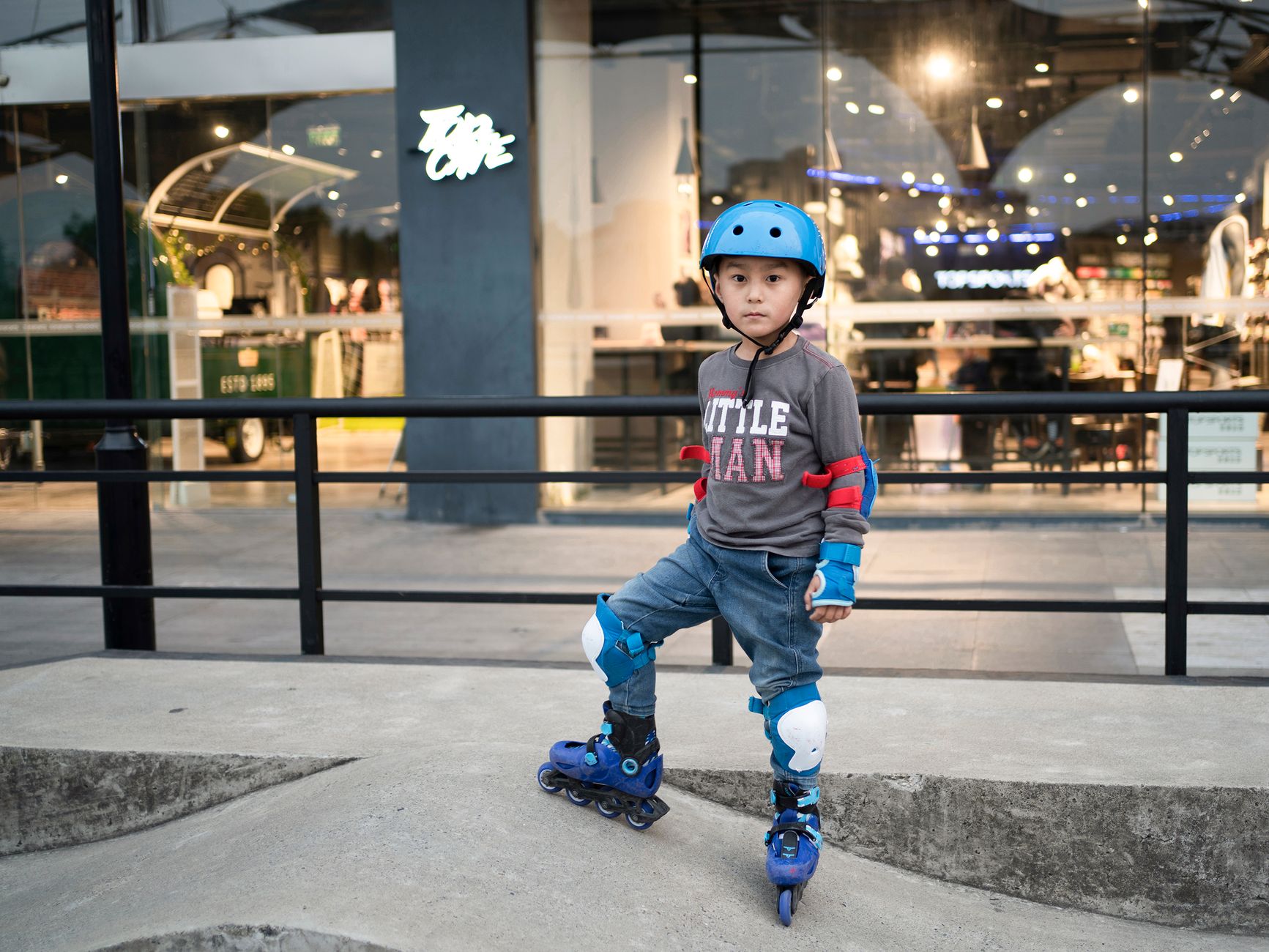
A first skateboard is exciting for kids and parents, but the choices can feel confusing. Sizes, wheels, shoes, and safety gear all sound technical, even before a child steps on a board. The right gear does not need to be the most expensive gear. It needs to fit, feel stable, and protect the rider while they learn.
This guide explains boards, shoes, and safety essentials in plain words. It will help families buy once, learn safely, and enjoy skating from the first ride. It also covers where to practise, how to store gear at home, and common mistakes to avoid.
Families exploring a new area can also visit Stay in the Woods to learn more about its services and find options that complement their outdoor lifestyle.
Table of Contents
- Start with how the board will be used
- Board types in plain words
- Complete board or custom board?
- Parts explained simply
- A quick fitting checklist for families
- Where to learn safely, and how to store gear at home
- A simple first-week learning plan
- The home and neighbourhood angle
- Common mistakes families still make
- Frequently asked questions
Start with how the board will be used
Ask three simple questions first. Who will ride it, where will they ride it, and what do they want to learn? The answers will narrow the choice much faster than looking at graphics or brand names alone.
Street and park skating needs a standard shortboard with harder wheels for smooth concrete and tricks. Cruising to school, a park, or around the neighbourhood needs a wider, more stable board with softer wheels for rough paths. A board for a young child learning balance is different from a board for a teen learning tricks, so age, shoe size, and confidence matter more than looks alone.
As a general safety guide, many health organisations advise that children under 5 should not skateboard, and children aged 6 to 10 should ride only with adult supervision. Families should check current guidance for their area, and always match the activity to the child's age and ability.
Board types in plain words
A standard street board has a symmetrical shape, with kicktails at both ends. It is best for learning basics, park skating, and tricks. Most beginners start here, because it is versatile and easy to find in the right size.
A cruiser is wider and often longer. It is best for smooth rides, carving, and short trips, but not ideal for technical tricks. A longboard is longer and more stable again, best for cruising, but usually too large for young beginners learning tricks.
Toy boards from non-skate shops can look similar, but they often have poor trucks, wheels, and bearings. That can make learning harder and less safe. A real skate brand complete board is a better starting point, even for a first purchase.
Complete board or custom board?
For beginners, a complete board is almost always the best choice. It arrives fully built, with deck, trucks, wheels, bearings, grip tape, and hardware already fitted. Families do not need to match parts one by one, and the board is ready to ride.
A custom board means choosing every part separately. That makes sense later, once the rider knows their preferred width, wheel hardness, and truck feel. A lot of riders start with a complete board, learn what they like, and then build a custom setup for their second board.
A complete board also makes it easier to check size and quality in one purchase. If the board feels wrong, it is easier to talk to a specialist shop about size, rather than guessing which single part caused the problem.
Size guide: use shoe size first, age second
Deck width is the key decision. Feet should cover the width without hanging excessively over the edges. When a rider stands on the board in skate shoes, the board should feel stable, not too heavy and not too narrow.
Use these ranges only as a starting guide, because brands vary and two children the same age can have very different foot sizes. Under 6 years, about 6.5 to 7.0 inches, only if the child is ready and supervised. Ages 6 to 8, about 7.0 to 7.5 inches. Ages 8 to 12, about 7.5 to 7.75 inches. Teens and adults, about 7.75 to 8.25 inches, with 8.0 inches a common all-round choice for beginners. Larger feet may feel more stable on 8.25 inches or wider.
Do not buy a size up just for next year. A board that is too large now is harder to control and can slow learning. Children grow quickly, but a board that fits now will help them learn faster and enjoy skating more.
Deck length is usually about 28 inches for small kids boards and about 31 inches for adult boards. Width matters more than length for most beginners, so start with width and then check length as a secondary detail.
Parts explained simply
Most quality decks use 7-ply maple. It gives strength and pop for tricks, and lasts longer than cheap plastic or soft wood boards. A deck should feel solid, with no cracks, warping, or sharp edges.
Trucks are the metal parts that hold the wheels and allow turning. Truck width should match deck width, so wheels sit flush with the board edge. Matching trucks help turning feel predictable and stable.
Wheels vary in size and hardness. Standard street and park wheels are often about 52 to 54 mm. Harder wheels, around 99A to 101A, roll well on smooth skate park concrete. Softer wheels, around 88A to 95A, roll smoother over rough paths and cracks. Beginners who ride mostly on rough neighbourhood paths may prefer slightly softer wheels.
Bearings sit inside the wheels and allow them to spin. Standard beginner bearings are fine. Keep them dry and clean, and replace them if they become rough or noisy. Grip tape is the rough top surface that helps shoes grip the board. Check that it is clean, flat, and not peeling at the edges.
Shoes: flat, grippy, and snug
Skate shoes are different from running shoes. Running shoes are often thick, curved, and soft, which can reduce board feel and control. Skate shoes are built to handle grip tape, landings, and constant board contact.
Look for a flat, grippy gum rubber sole, a suede or durable upper, and reinforced stitching at the toe and sides. Suede resists abrasion better than thin canvas, and double stitching helps the shoe last longer where it wears most.
Vulcanised soles are thinner and more flexible, with better board feel for street skating. Cup soles are thicker and more cushioned, with better impact protection for larger drops and ramps. For most beginners, either type can work, as long as the sole is flat and grippy.
Fit should be snug, with the heel locked in and very little room at the toe. A loose shoe slides on the board and makes control harder. Closed-toe shoes are essential. Do not skate in sandals, loose slip-ons, or shoes with thick, uneven soles.
Safety essentials: helmet first, then pads
Every beginner should wear a helmet, especially children. A skate helmet should sit level on the head, not tilted back, and the chin strap should be snug and buckled every time. If a helmet wobbles, rocks, or blocks vision, it does not fit correctly.
Certification matters. In Australia, look for AS/NZS 2063 certification for bicycle and skating helmets. In the US, skate helmets often carry ASTM F1492 certification. Check the label inside the helmet before buying, and verify the current standard for your area.
Replace a helmet after a major impact, even if it looks fine, because the foam inside may be damaged. A helmet is designed to protect the head, and a damaged helmet may not protect as well next time.
Knee pads and elbow pads are recommended for all beginners. They should have a hard plastic shield, fit snugly, and allow movement without slipping. Wrist guards are also helpful, because falls often involve hands hitting the ground. They should support the wrist without cutting off circulation. A mouthguard is optional, but useful for riders learning tricks or skating in parks, to protect teeth.
A quick fitting checklist for families
Stand on the board in skate shoes. Check balance, foot position, and whether the board feels stable or too heavy. Try shifting weight side to side, and see if the board responds in a controlled way.
Do the helmet shake test. The helmet should not rock forward, backward, or side to side when the head moves gently. The front should sit about two fingers above the eyebrows, and the strap should be snug under the chin.
Check shoe fit by crouching. Toes should not press hard, and the heel should not slip. Check pads by bending knees and elbows. Pads should stay in place and not pinch. Check the board before every session for cracks, sharp edges, loose bolts, and damaged wheels.
Where to learn safely, and how to store gear at home
Start on a smooth, flat, traffic-free surface, such as a quiet skate park beginner area, a clean driveway, or a flat court, with adult supervision for younger children. Avoid streets with traffic, wet surfaces, gravel, and crowded paths.
Only one person should ride a board at a time, and riders should never hold onto bikes, cars, or other vehicles. Learn to fall safely: crouch low, land on fleshy parts where possible, roll with the fall, and avoid stiff arms taking all the force. This is general guidance, not a substitute for in-person coaching.
At home, store boards off the floor on a wall rack or hooks, in a dry place, away from direct sun and damp. This keeps gear in better shape and keeps walkways clear. For families thinking about home layout, a garage wall rack, a mudroom hook, and a dry storage spot make skate gear easier to manage and keep entryways safer.
Budget, quality, and when to replace gear
A quality complete board from a real skate brand is usually better value than a very cheap toy board, even for a first purchase. Check what is included: deck material, truck quality, wheel hardness, and bearing quality, not just the graphic on the bottom.
Replace gear when it is cracked, warped, worn through, or no longer rolls smoothly. Replace shoes when the sole is worn flat, the toe is torn through, or grip is lost. Simple maintenance helps: tighten bolts regularly, clean grip tape, wipe wheels, and store gear dry.
Families in Australia looking for beginner boards, shoes, and safety gear can compare options from a specialist skate retailer such as Skate Warehouse, where complete boards and protective gear are grouped by size and use. The point is not to buy the most expensive setup, but to start with gear that fits, feels stable, and is made for real skating.
A simple first-week learning plan
Session one should focus on standing, balance, pushing, and stopping on flat ground, in a short session. Session two can practise turning, slowing down, and stepping off safely. Session three can move to a quiet skate park beginner area, with pads and helmet, and an adult nearby for children.
Keep sessions short and fun. Stop if the rider is tired, frustrated, or in pain, and build skills slowly rather than rushing to tricks. Progress feels better when a rider masters balance first, then turning, then stopping, before trying more advanced moves.
The home and neighbourhood angle
Families moving to a new area often look for parks, safe paths, schools, and community spaces. A nearby skate park, flat paths, and a safe place to practise can be part of that lifestyle check, alongside schools and transport. A neighbourhood with smooth paths, a local park, and a beginner-friendly skate area can make it easier for kids to stay active and make friends outdoors.
At home, the same thinking applies. A garage wall rack, a mudroom hook, and a dry storage spot are small details, but they make daily life easier. They also show how a home supports an active family lifestyle, not just how many bedrooms it has.
Common mistakes families still make
Buying too large for next year, instead of the size that fits now, is a common mistake. Choosing running shoes or loose fashion shoes instead of flat skate shoes is another. Skipping a helmet for short rides, or wearing a helmet that does not fit, can turn a small fall into a serious injury.
Starting on a busy street or rough surface, instead of a flat, safe area, is also risky. Buying a toy board, then blaming the rider when learning feels hard, is unfair and avoidable. The right gear, the right place, and a patient start make learning much easier.
A simple checklist before you buy
- Match deck width to shoe size, not just age.
- Choose a complete board from a real skate brand.
- Choose flat, grippy skate shoes that fit snugly.
- Buy a certified, well-fitting helmet, plus knee, elbow, and wrist protection for beginners.
- Practise in a safe, flat area, with supervision for younger children.
- Store gear dry, off the floor, and check it before every session.
Choosing the right gear is not about being perfect on day one. It is about giving a beginner a stable board, shoes that grip, and safety gear that fits, so they can learn with confidence. With the right start, skating can become a fun, healthy, and social part of family life.
Frequently asked questions
What size skateboard should my child get?
Use shoe size as the main guide, with age as a secondary check. Younger children usually need narrower boards, around 7.0 to 7.5 inches, while teens and adults often need 7.75 to 8.25 inches. When in doubt, choose the size that fits now, not a larger size for next year, and check the fit by standing on the board in skate shoes.
Should a beginner buy a complete board or a custom board?
A beginner should almost always buy a complete board. It arrives fully built and ready to ride, with matched parts. A custom board makes sense later, once the rider knows their preferred width, wheel hardness, and truck feel.
Do I really need skate shoes, or will normal sneakers work?
Normal sneakers, especially running shoes, are often too thick, curved, and soft for good board control. Skate shoes have flat, grippy soles, durable suede uppers, and reinforced stitching, which help with grip, control, and durability on grip tape.
Is a helmet required, and how do I know if it fits?
A helmet should be worn every time, especially by beginners and children. It should sit level on the head, about two fingers above the eyebrows, with a snug, buckled chin strap. It should not rock forward, backward, or side to side, and it should not block vision or hearing.
When should I replace a skateboard, wheels, or shoes?
Replace a board if it is cracked, warped, or has sharp edges. Replace wheels if they are chipped, flat-spotted, or no longer roll smoothly. Replace shoes if the sole is worn flat, the toe is torn through, or grip is lost. Replace a helmet after a major impact, even if it looks fine.
1 thought on “Choosing the Right Skate Gear for Beginners: Boards, Shoes, and Safety Essentials”