
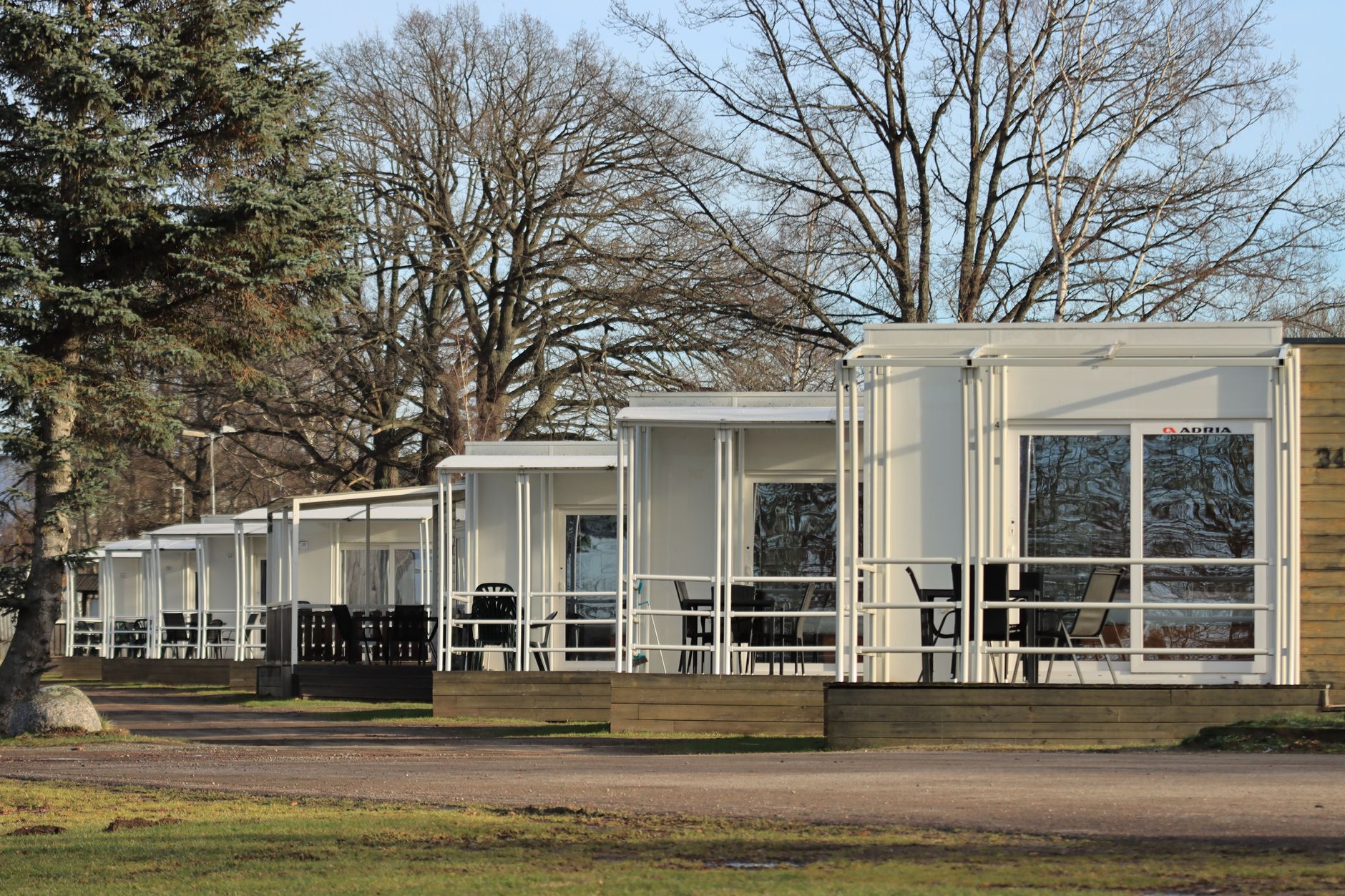
A cabin that books solid in July and again in February often sits empty through November, and that quiet month is when side-hustle owners usually notice the closet. Paddleboards lean against the water heater. Snowshoes hang from a nail meant for a coat. A guest review from August mentions, politely, that the place felt a little crowded.
Table of Contents
Seasonal Gear Takes Over Quietly
Every amenity you add for guests comes with a storage cost. Two kayaks and four life jackets make a lake cabin more bookable in summer, and in winter they become something to step around. Ski-season extras, like sleds and snowshoes and a boot dryer, do the same thing in reverse.
Leaving everything at the cabin feels free, and it mostly isn't. Vacant mountain properties attract mice, which chew straps and nest in folded cushions. Damp gets into foam paddleboard decks and life-jacket padding. And gear sitting in plain view through a window is an invitation during the weeks no one is around.
Some owners rent a locked shed on the property. It helps with theft. It does nothing about rodents or moisture.
Where the Off-Season Gear Should Live
For owners who live in the city and drive up on weekends, the smarter setup is usually a unit near home. When finding self storage units in Seattle for this purpose, location on the right side of town counts for more than the monthly rate. A unit on the route to the mountains turns the seasonal swap into a fifteen-minute stop on a drive you were already making. One across town becomes a separate Saturday errand, which means it gets postponed until the first guest arrives and asks where the kayaks are.
A 5×10 unit holds a surprising amount if you hang paddles and stand boards on end. Climate control is worth it for cushions, linens, and anything with foam; drive-up access is worth it for anything heavier than you want to carry down a corridor.
Keep a printed list taped inside the door of what belongs at the cabin each season. Cleaners and co-hosts can use it too.
Simple Booking Forms for Direct Guests
Repeat guests and friends of friends eventually ask to book directly, skipping platform fees. An email thread works for the first two or three. After that, details slip: how many dogs, whether they have an all-wheel-drive vehicle for the pass in January, whether they read the rule about the woodstove.
A booking form fixes most of this by asking the same questions every time. Dates, group size, pets, vehicle, an e-signature on house rules, and a deposit cover nearly everything a small rental needs. Looking at the cost of Jotform, the free tier handles a handful of forms and a modest number of monthly submissions, which is plenty for a cabin taking a few direct bookings a month. Paid plans make sense once you're collecting deposits through the form regularly, since payment submissions run out faster than regular ones.
Two failure points come up often. A form doesn't block your calendar, so a direct booking needs to be entered everywhere else immediately or you risk a double booking. And direct guests mean you're responsible for collecting and remitting lodging taxes yourself, which the platforms usually handled.
The owners who keep a side rental going for years tend to treat it less like a getaway they share and more like a small operation with seasons of its own. The cabin feels bigger when it holds only what this month's guests will use.