
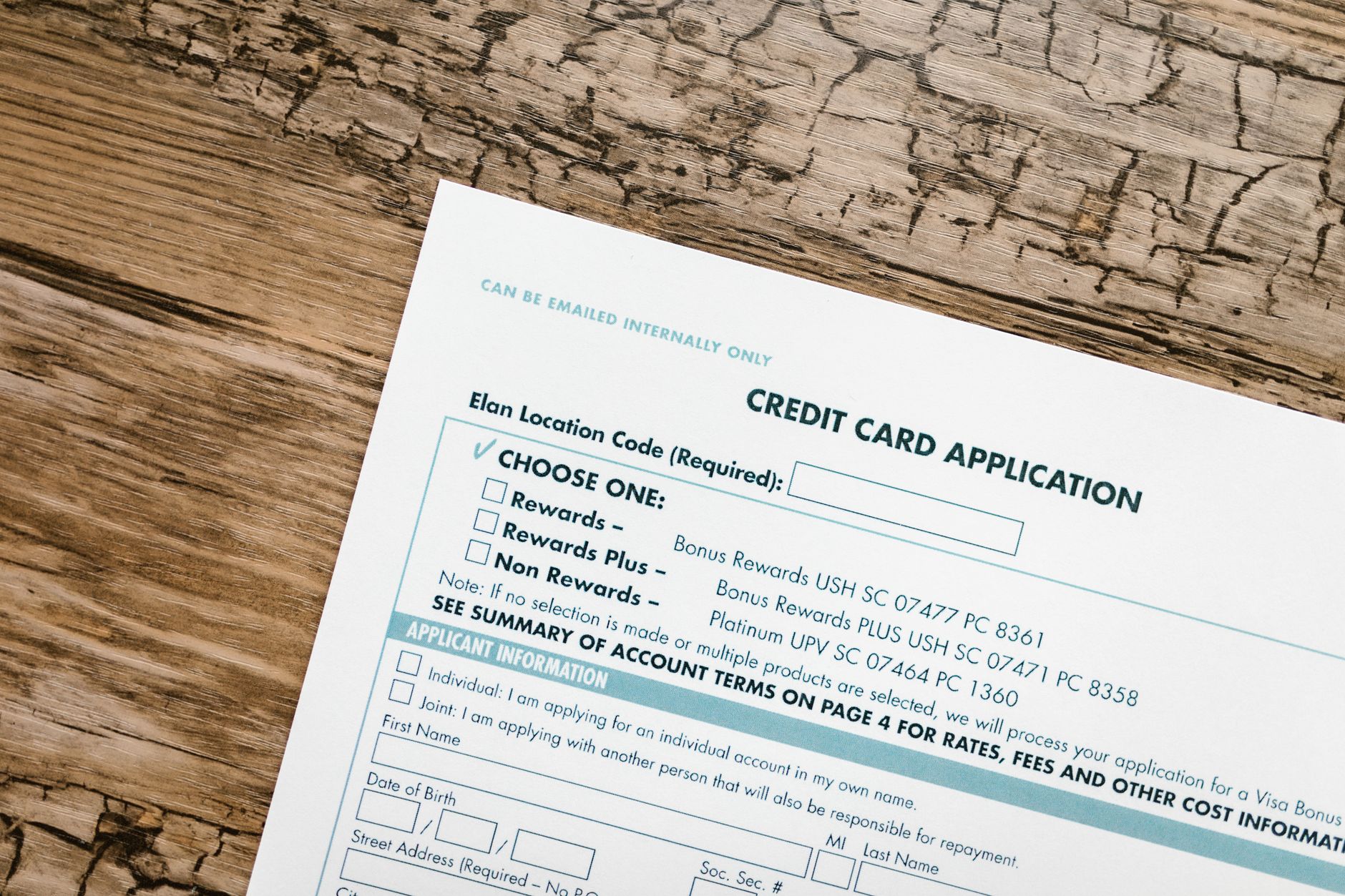
An SBA loan application is a collection of facts about a business, its owners, and the proposed use of financing. Preparing it well means more than collecting documents. The figures need to relate to one another, the requested funding needs a clear purpose, and the lender needs to know which questions remain open.
A practical way to begin is to treat the application as a small project. Establish the lender’s requirements, assign responsibility for the records, and maintain a clear list of outstanding items. This approach gives the owner visibility into progress without assuming that a completed checklist guarantees approval.
Table of Contents
- Start with the lender’s current instructions
- Build an index before building a large folder
- Explain the funding request with supporting records
- Review financial records for consistency
- Assemble ownership and business information carefully
- Track follow-up questions as part of the application
- Plan a timetable around dependencies
- Keep closing conditions separate
- Make the file easy to follow
Start with the lender’s current instructions
The SBA’s guidance on applying for 7(a) financing explains that application contents vary with the loan size and the lender’s processing method. Applicants work directly with their lender, which determines the documents needed for their circumstances.
For supplementary background on sba loan application requirements, King Capital publishes an overview of documents and timing. Use general guides to prepare questions, then rely on the selected lender’s current written instructions for the actual application.
Ask which program and transaction type the checklist concerns. A broad document list may contain items that do not apply to your request or omit something your lender needs. Confirm who can clarify the checklist before you begin asking staff or advisers to prepare records.
Build an index before building a large folder
Create an application index with a line for each requested item. Include the responsible person, required period, status, and submission date. Where the lender has supplied a template, record its name and version.
A useful status system distinguishes between requested, being prepared, submitted, and accepted. Submitted means the file has been sent; accepted means the lender has confirmed that it satisfies the request. Keeping those states separate prevents a missing explanation from disappearing behind a completed upload.
Give files consistent names that identify the business, document type, and period. Avoid names such as “final new version” that become ambiguous after another revision. The objective is to help someone identify the correct record without opening every attachment.
Explain the funding request with supporting records
Write a concise explanation of the amount requested and what it will pay for. Break the amount into identifiable uses and link each use to the relevant quote, estimate, agreement, or calculation where available.
If a cost is provisional, label it. Ask the lender what level of confirmation is needed at the current stage and when a final figure must be supplied. This allows the application to show progress without presenting estimates as completed commitments.
Check that the total in the narrative agrees with the supporting schedule. If the project includes an owner contribution or another source of capital, show how those funds relate to the total project cost. A clear explanation can prevent the same amount being counted twice.
Review financial records for consistency
Before submission, ask the person preparing the financial records to review the requested periods and entity names. Confirm that the documents cover the business being evaluated and that any relevant related entities are explained.
Differences between records may have valid explanations. A year-end adjustment, a change in reporting period, or a transaction recorded after an earlier statement was prepared can affect comparisons. Identify the difference and ask your accountant how it should be described.
Do not change original bank statements or other source documents. Submit the records as issued and provide a separate explanation where needed. If an accounting report is revised, preserve the earlier version and explain which report replaces it.
Assemble ownership and business information carefully
Use a single confirmed record of legal names, ownership interests, addresses, and authorised contacts when completing forms. If details differ across existing documents, identify the discrepancy before copying it into the application.
Ask the lender which forms each person must complete and what supporting information is required. Have the relevant owner review information attributed to them. An application coordinator can manage the process without making assumptions about someone else’s finances or history.
Where professional advice is needed to interpret a legal or financial question, obtain it before submitting the answer. A short clarification can be easier to resolve than a correction after the application has moved into review.
Track follow-up questions as part of the application
Questions during review should have the same visibility as the initial document checklist. Keep the request, assigned owner, response, and confirmation together:
- Identify the exact document or statement the question concerns.
- Record the information requested and who can supply it.
- Give a realistic date for the response.
- Save the submitted explanation with its supporting file.
- Ask whether anything remains unresolved.
Answer the question directly before adding background. If you cannot provide the requested record, say why and ask which alternative would be useful. Sending several unrelated documents may create more work without resolving the original issue.
When multiple questions arrive, group them into a manageable response while preserving the lender’s numbering or wording. This makes it easier for the reviewer to connect each answer with the request.
Plan a timetable around dependencies
Ask the lender to explain the next stages and which events must happen before each can begin. Distinguish the time needed for your own preparation from the time the file spends awaiting review.
Some work may depend on third parties or final project information. Record those dependencies and ask when they should be initiated. If a supplier deadline approaches before a financing condition can reasonably be completed, discuss that conflict early.
Avoid building the business schedule around a general online timeline. Instead, maintain a current estimate with the lender and note what could change it. An estimated date becomes more useful when the assumptions behind it are visible.
Keep closing conditions separate
As the application progresses, request a clear list of any conditions remaining before closing and disbursement. Confirm which documents need signatures, which figures must be updated, and who will verify completion.
Review the final agreement against the proposal discussed. Ask about differences in the amount, fees, repayment schedule, security, guarantees, and permitted uses. Keep a complete copy of the signed documents in a location the business can access later.
Once funding occurs, preserve the application records rather than treating them as temporary paperwork. They provide the background for the financing decision and may help the business understand the obligations it has accepted.
Make the file easy to follow
A well-organised application tells one consistent story: who is borrowing, why the funds are needed, what supports the request, and what remains to be confirmed. Follow the lender’s instructions, maintain version control, and give unresolved questions a clear owner. Those habits make the process more understandable for both the reviewer and the business.
1 thought on “Organising an SBA Loan Application Without Losing Track of the Details”