
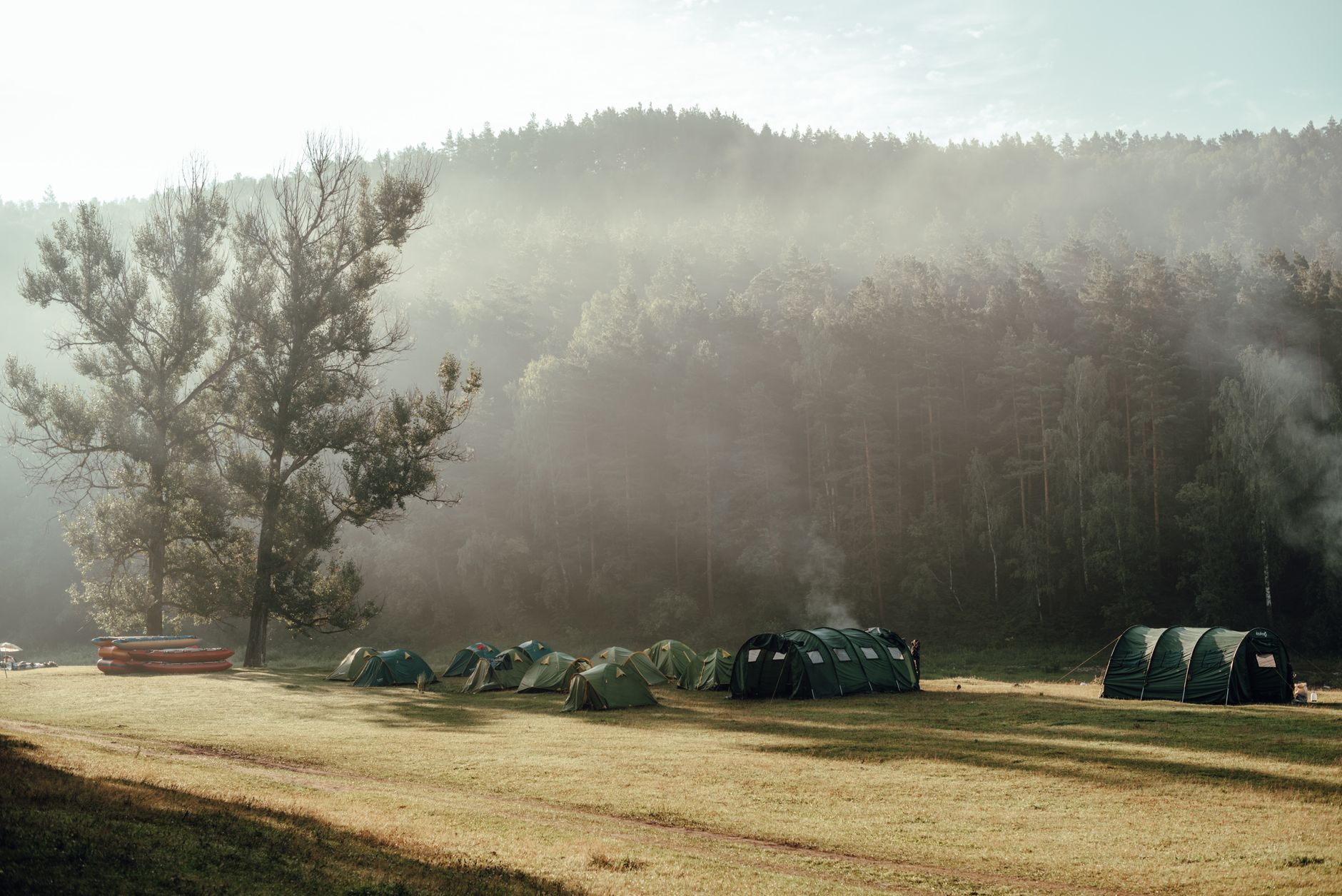
A school camp can be much more than a few days away from the classroom. The right outdoor experience gives students a chance to try new activities, work with their classmates, solve problems, and discover abilities they may not have noticed before.
For teachers and parents, these experiences can also support important skills such as communication, teamwork, independence, and confidence. Instead of learning everything from books or screens, students get the opportunity to learn by doing.
Table of Contents
- Learning Beyond the Classroom
- Building Stronger Teamwork
- Confidence Through New Experiences
- Outdoor Activities Encourage Problem-Solving
- A Chance to Disconnect From Screens
- Why School Camps Can Be Valuable for Teachers
- Choosing the Right Outdoor Camp
- Preparing Students for Camp
- Creating Memories That Last
- Making the Most of the Experience
- Final Thoughts
Learning Beyond the Classroom
Traditional classroom learning has an important place in education, but students also benefit from experiences that take them into different environments. An outdoor camp creates opportunities for practical learning that can be difficult to reproduce at school.
Students may need to work together to complete a challenge, make decisions as a group, or encourage a classmate who is unsure about trying an activity. These small moments can teach valuable lessons about cooperation and responsibility.
Outdoor environments can also encourage students to become more independent. Being away from their normal routines means they often have to manage their belongings, follow schedules, communicate with others, and adapt to unfamiliar situations.
Building Stronger Teamwork
Teamwork is one of the biggest benefits of a well-planned school camp. Many outdoor activities require participants to cooperate rather than compete against one another.
A group might need to plan how to complete a challenge, divide responsibilities, or communicate while working toward the same goal. Students quickly learn that listening to others can be just as important as sharing their own ideas.
These experiences can strengthen relationships between classmates. Students who do not normally spend much time together may discover that they work well as a team when given a shared challenge.
Confidence Through New Experiences
Trying something unfamiliar can be uncomfortable at first, especially for students who are naturally shy or cautious. However, successfully completing a new activity can give them a real sense of achievement.
The activity itself does not always have to be difficult. Even taking part in something for the first time can become a confidence-building experience.
Outdoor camps provide plenty of opportunities for students to encourage one another. When a participant sees a friend successfully complete a challenge, they may feel more willing to try it themselves.
Over time, these experiences can help students become more comfortable with making mistakes, asking for help, and trying again.
Outdoor Activities Encourage Problem-Solving
Not every challenge has an obvious answer. Outdoor activities often require participants to think about their options and decide how to move forward.
This can turn an ordinary activity into a practical lesson in problem-solving.
Students may need to communicate ideas, consider different solutions, and adjust their plans when something does not work. These skills are useful well beyond a school camp because problem-solving is part of everyday life.
The experience can also teach students that making a mistake does not necessarily mean failure. Sometimes the best solution comes after trying something that did not work the first time.
A Chance to Disconnect From Screens
Young people spend a large part of their daily lives around phones, computers, tablets, and other digital devices. An outdoor camp offers a welcome change.
Instead of communicating through a screen, students spend time talking face-to-face and participating in shared activities. They can explore the outdoors, enjoy physical activities, and focus on the people around them.
This change of environment can also make social interactions feel more natural. Students have more opportunities to talk, laugh, and create memories together without the usual distractions of everyday technology.
Why School Camps Can Be Valuable for Teachers
The benefits of a camp are not limited to students. Teachers can also gain useful insights by seeing how their students behave outside the classroom.
A student who rarely speaks during lessons may become an effective team member during an outdoor challenge. Another student may naturally take on a leadership role when their group needs direction.
These situations can help teachers understand different strengths and personalities within their class. They can also provide opportunities to reinforce positive behaviours such as cooperation, patience, responsibility, and respect.
Choosing the Right Outdoor Camp
Not every camp experience is the same, so schools and organizers should consider several factors before making a decision.
The type of activities available is one consideration. It is also useful to look at accommodation, supervision, safety arrangements, group sizes, facilities, and the age groups the programs are designed for.
Teachers should also consider whether the activities match the goals of the trip. If the main purpose is team building, for example, programs that encourage cooperation and communication may be particularly useful.
Planning ahead can make the entire experience easier for students, teachers, and parents.
Preparing Students for Camp
Good preparation can make students feel more comfortable about leaving their usual environment.
Teachers can explain the basic schedule, activities, expectations, and rules before the trip. Parents can help by making sure students have suitable clothing, comfortable footwear, personal items, and anything specifically requested by the organizers.
It is also worth reminding students that they do not need to be the best at every activity. The purpose of a school camp is often to participate, learn, support others, and enjoy the experience.
A positive attitude can make a significant difference.
Creating Memories That Last
One of the most valuable parts of an outdoor camp is often the memories students take home.
Years later, students may not remember every classroom lesson, but they may remember completing a challenging activity with their friends, laughing during a group task, or discovering that they could do something they initially thought was impossible.
These shared experiences can strengthen friendships and create a stronger sense of community within a class or school group.
For schools looking to provide students with a structured outdoor experience that combines adventure with learning, it is worth exploring the available programs and facilities before booking. Contact Great Aussie Bush Camp for more information about suitable programs, activities, and group arrangements.
Making the Most of the Experience
An outdoor camp works best when students are encouraged to participate rather than simply observe. Teachers can help by creating an atmosphere where students feel comfortable trying new things and supporting their classmates.
Students should also be encouraged to step outside their comfort zones at their own pace. Not everyone will enjoy every activity, and that is perfectly normal. What matters is giving each participant an opportunity to take part, learn something new, and contribute to the group.
When the experience is planned carefully, an outdoor camp can combine education, adventure, and personal development in a way that students are likely to remember.
Final Thoughts
A good school camp can provide lessons that extend far beyond the classroom. Through outdoor activities and shared challenges, students can develop teamwork, communication, confidence, independence, and problem-solving skills while enjoying time with their classmates.
For teachers and organizers, choosing an experienced outdoor education provider and planning the trip around the needs of the group can help ensure that students get the most from the experience. With the right combination of activities, support, and preparation, a school camp can become one of the most memorable parts of the school year.
1 thought on “Why Outdoor Adventure Camps Are Great for Teamwork, Confidence, and Learning”