
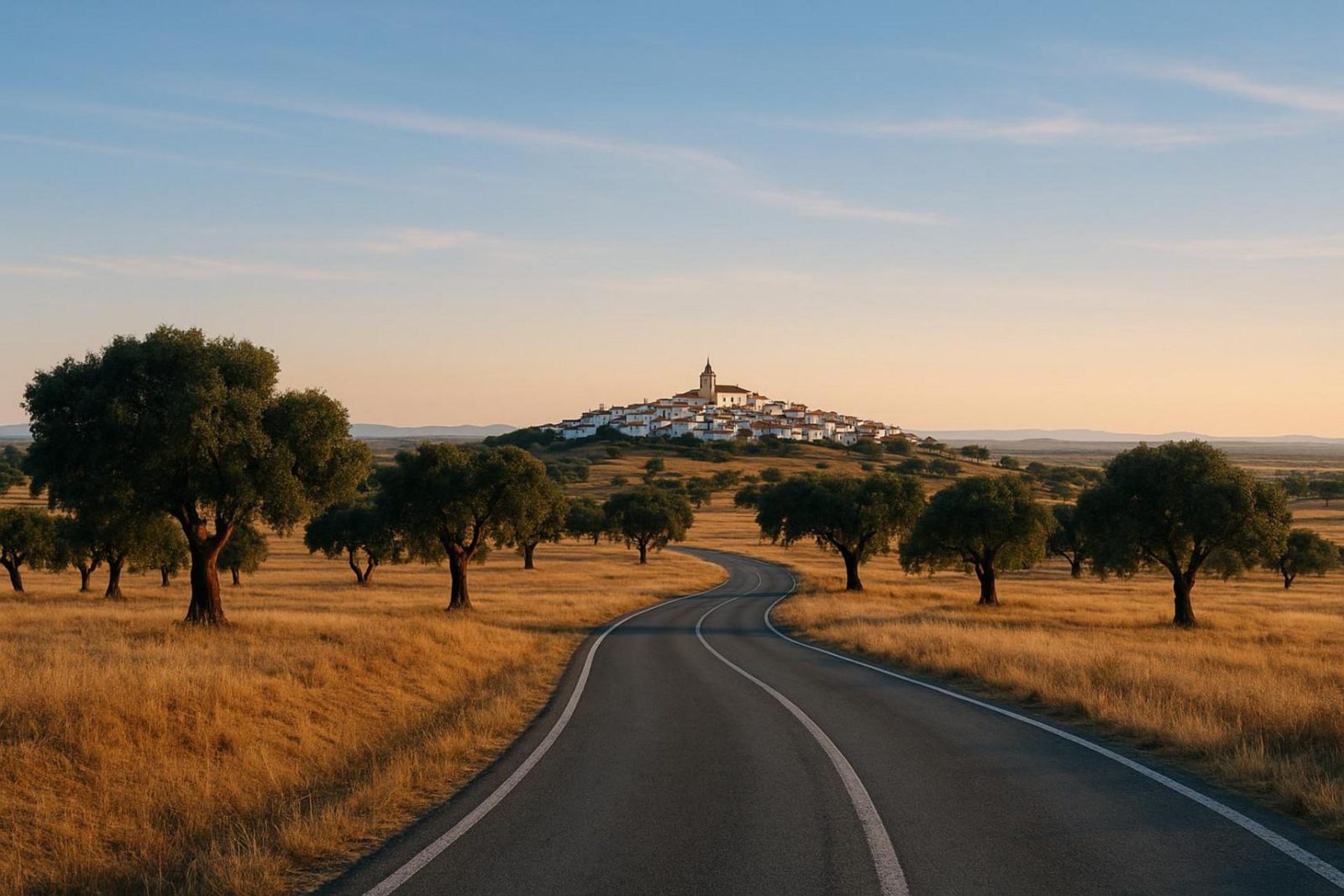
Renting a car helps you see more of Europe by giving you the freedom to leave fixed train routes, reach small rural villages, visit striking natural areas, and travel at your own pace. Europe has one of the best high-speed rail systems in the world, but these trains mainly connect large cities. Driving a rental car closes the gap between busy capitals and quiet countryside, turning a regular holiday into a personal trip through local cultures and landscapes.
By arranging an independent car rental, travelers can avoid the set routes of tour buses and crowded local transport. A private car makes the journey part of the sightseeing. It gives you access to hilltop forts, family vineyards, and coastal bays that public transport often cannot reach.
Table of Contents
- What Are the Main Benefits of a European Road Trip?
- Which European Road Trip Routes Reveal Less-Visited Destinations?
- How Should You Plan a Car Rental for Small-Town Europe?
- How Do Tolls, Fuel, and Parking Affect the Cost?
- What European Driving Rules Affect Rural Road Trips?
- How Can You Stay Safe and Get Around Beyond Tourist Centers?
What Are the Main Benefits of a European Road Trip?
A road trip across Europe changes the focus from simple sightseeing to a closer look at local life. Driving gives you a direct view of communities that sit far from the main tourist routes.
Personal road trips also change the pace of travel. They replace the pressure of group tours with more personal freedom, making drives through scenic countryside a valuable part of the holiday.
More Time in Local Communities and Less Time in Transit
Public transport to remote places often requires several parts of a journey, including commuter trains, local buses, and costly taxis from stations. These transfers can take up many daylight hours. Driving directly from one place to another cuts down travel time across rural areas and leaves you with more time to spend in local communities.
This can also help local businesses. Instead of spending most of your holiday budget near busy railway stations, you can eat at family-run restaurants, stay at countryside guesthouses, and visit village workshops. These choices can lead to more personal contact with local residents.
Greater Privacy and Convenience for Families and Groups
Traveling with family or friends in foreign cities can make planning difficult, especially with young children, passengers with limited mobility, or a large amount of luggage. A private car provides a quiet, climate-controlled place where everyone can rest during the journey.
The trunk can hold strollers, hiking equipment, local wine, and several suitcases. This means you do not have to carry heavy bags up station stairs. People in the car can talk, play their own music, choose rest stops, and travel at a pace that suits the whole group.
The Trade-off Between Driving Costs and Travel Freedom
Car rental comes with several costs, including the rental price, fuel, toll roads, and parking. For a couple, family, or small group, these costs can still compare well with buying several high-speed train or coach tickets.
The main benefit of driving is the control it gives you. You can set your daily schedule, stop whenever you like, and visit remote valleys without train service. This level of freedom can be worth more than the basic price difference between transport options.
Which European Road Trip Routes Reveal Less-Visited Destinations?
Europe has many driving routes for travelers who want to leave crowded capitals behind. These roads pass through rural scenery, farming areas, and old settlements with strong local identities.
Choosing less busy routes can introduce you to different building styles, long-standing food traditions, and broad natural views without the heavy crowds found on standard tourist paths.
Portugal's Coastal Villages and Inland Wine Regions
Lisbon and Porto attract many visitors, but the roughly 280-kilometer stretch between Lisbon and the southern Algarve includes a rugged coastline and a quiet inland landscape. Following the Atlantic along the Alentejo coast brings you to tall sea cliffs, clean sandy beaches, and fishing villages such as Vila Nova de Milfontes.
Driving inland across the Alentejo plains and into the upper Douro Valley reveals rolling land covered with cork oak forests, white hilltop villages such as Monsaraz, and old wine estates. Visitors can taste a long wine-making tradition away from the crowds of the main cities.
Transylvania's Fortified Towns and Carpathian Landscapes
Romania offers some of Europe’s most striking countryside for a driving holiday. In historic Transylvania, old Saxon fortified churches sit among green valleys. Towns such as Biertan, Viscri, and Sighișoara show centuries of preserved history.
The Southern Carpathian Mountains surround these historic valleys with sharp peaks and high passes. Driving gives you access to mountain roads such as the famous Transfăgărășan Highway. This winding road crosses high mountain passes and offers wide views, though it closes during the severe winter season.
Austria and Hungary Beyond Vienna and Budapest
Outside Vienna and Budapest, the countryside is marked by quiet lakes, green vineyards, and baroque market towns. Driving through Burgenland in Austria or the hills of Styria lets you visit roadside wine taverns known as Heurigen, thermal spas, and peaceful lakeside areas.
In western Hungary, the northern shore of Lake Balaton offers volcanic hills, lavender fields on the Tihany Peninsula, and the historic palace of Keszthely. Small roads pass through quiet farming villages where traditional Hungarian hospitality continues without large tourist crowds.
Balkan Roads Through Croatia, Slovenia, Montenegro, and Albania
The Balkan Peninsula is well suited to road travel. Many cruise visitors stay in Dubrovnik’s walled old town, but drivers can follow the Adriatic coast to quiet, fjord-like bays in Montenegro. They can also visit the Julian Alps and the green waters of Slovenia’s Soča River Valley, or travel south into the wild mountains of northern Albania.
A car lets you leave popular coastal stops and drive inland to national parks, olive-growing valleys, and simple mountain villages. In these areas, shepherd traditions are still part of everyday life.
Scotland, Ireland, Norway, and Iceland for Remote Scenery
The northern and western edges of Europe offer some of the continent’s most dramatic scenery. Personal transport makes it easier to see these remote areas. In Ireland, a trip around County Kerry’s Atlantic coast brings you to high sea cliffs, clear lakes, and the historic streets of Killarney.
In Scotland, driving north through the Highlands toward Inverness leads to wide coastal firths where dolphins can sometimes be seen near the shore. Norway offers deep fjords and historic northern towns such as Trondheim, along with mountain roads lined with waterfalls. In Iceland, the famous ring road connects waterfalls such as Seljalandsfoss, active volcanoes, and steaming geothermal springs around the island.
Regional Stops Such as Avignon, Kerry, Siena, Trondheim, and Inverness
Using a smaller regional city as your base can make countryside trips easier. Picking up a car in Avignon gives you quick access to the lavender fields, hill villages, and Roman ruins of Provence. Staying in Siena places you near Tuscany’s cypress-covered hills, olive groves, and well-known Chianti vineyards.
In the same way, using Inverness, County Kerry, or Trondheim as a starting point makes it easy to take day trips into quiet coastal areas and mountain landscapes. In Trondheim, visitors can also see the tall Nidaros Cathedral before returning to a local restaurant in the evening.
How Should You Plan a Car Rental for Small-Town Europe?
Good planning helps you move smoothly from city transport to country roads. Decide how long you need the car, where you will collect it, and how far you plan to drive each day. This can prevent common travel problems and keep your trip on schedule.
A good balance between driving and free time lets you enjoy the scenery instead of spending the whole holiday behind the wheel.
Choose the Right Number of Rental Days
You usually do not need a car for every day of a European holiday. If your trip starts with a few days in London, Paris, or Rome, collect the car on the day you leave the city. Driving in a busy historic center can be stressful, and parking can add a large cost.
Look at each part of your route and decide where a car is needed. Hiring one only for countryside trips can reduce the cost of daily rental charges, insurance, and overnight parking in large cities. Shorter bookings are easy to arrange with providers like Carfree.pl, so you can pick the car up on the day your rural leg begins and drop it off before the next city stop.
Compare City, Airport, and Regional Pickup Locations
Airport rental offices often have the widest choice of cars, longer opening hours, and easy access to major motorways. This lets you leave the airport without driving through a busy city center. Airport locations, however, often add concession charges to the rental price.
Small city offices near railway stations may avoid airport fees and put you closer to your chosen country route. They may have fewer cars available and shorter opening hours, especially on weekends and local holidays.
Plan Realistic Driving Distances and Rest Stops
When planning distances in Europe, remember that 1 mile is about 1.61 kilometers. You can also get a rough mile estimate by dividing kilometers by 10 and multiplying by 6. Travel time depends on the road, not just the distance. Driving 100 kilometers on a modern German motorway can take less than an hour, while the same distance on winding roads in Ireland, Sicily, or the Alps may take three hours.
Leave time for viewpoints, coffee in village squares, and long lunches. Keeping each day’s driving to a reasonable distance reduces tiredness and gives you daylight for exploring after you arrive.
Use Open-Jaw Rentals When the Route Ends in Another City
A one-way road trip can make more sense than a circular route because it prevents you from covering the same roads twice. With an open-jaw rental, you collect the car in one city and return it in another, allowing you to keep moving forward.
Rental companies often charge a one-way return fee. The savings in fuel, tolls, and holiday time can still make this choice worthwhile. Check the one-way rules before booking so you know about all extra charges.
How Do Tolls, Fuel, and Parking Affect the Cost?
The daily rental rate is just one part of the total driving budget. European roads have several extra charges, and these costs can differ greatly from one country to another.
Allow money for toll roads, fuel, and parking in old city centers. Planning these costs early can prevent surprises during the trip.
Budget for Motorways, Bridges, Tunnels, and Electronic Toll Systems
European countries use different systems to pay for major roads. France, Italy, and Spain mainly use distance-based toll motorways, known as péage or Telepass roads. Drivers may pay by card, cash, or an electronic device at toll gates.
Austria, Switzerland, Hungary, and Slovenia use motorway vignettes. These are either stickers placed on the windscreen or digital registrations linked to the vehicle’s license plate. Driving without a valid vignette can lead to a large automatic fine. Alpine tunnels, fjord bridges, and some river crossings may also have separate tolls.
Compare Fuel Prices and Petrol Versus Diesel Requirements
European fuel is sold by the liter, not the gallon, and it usually costs more than fuel in North America. One US gallon equals about 3.79 liters, so fuel economy can make a clear difference on a long drive.
Check which fuel your rental car uses. Labels inside the fuel flap identify unleaded petrol, often marked E5 or E10, or diesel, marked B7 or B10. Putting petrol in a modern diesel car can cause serious engine damage, and rental insurance does not cover this mistake.
Plan Parking Costs in Historic Centers and Smaller Towns
Parking in old European towns often requires planning. Many medieval centers ban street parking or reserve it for local permit holders. Visitors usually need to use an underground municipal garage or a marked parking area outside the center. Blue street spaces often require a pay-and-display ticket.
When booking a rural hotel, villa, or village guesthouse, check whether parking is included. If it is not, you may need to pay for a municipal garage each day. Garages in historic centers often cost €15 to €40 per day, which can become a large expense over a week.
Compare the Total Cost With Trains, Buses, and Taxis
To compare the cost of a rental car fairly, add the rental price, insurance, fuel, tolls, and parking. Then compare the total with public transport for everyone in your group. Four separate regional or high-speed train tickets, along with countryside taxi rides and station locker charges, can cost as much as or more than a rental car.
Price comparisons also leave out the value of your time. Traveling directly from one door to another without transfers or fixed departure times is a major benefit that is difficult to measure in money.
What European Driving Rules Affect Rural Road Trips?
Driving through rural Europe is usually simple, but you need to know local road rules, sign styles, and safety laws.
Learning the main differences before you travel can help you drive safely, respect local customs, and avoid traffic fines.
Learn Right-Side and Left-Side Driving Differences
Most mainland European countries drive on the right, with the driver sitting on the left side of the car. The United Kingdom, Ireland, Malta, and Cyprus drive on the left, and their cars usually have the steering wheel on the right.
Left-side driving requires extra focus during your first day, especially when leaving roundabouts, crossing traffic at junctions, and keeping the car near the correct curb. Spend an hour on quiet roads near the airport to practice before entering busy areas.
Follow Country-Specific Speed Limits, Lights, and Safety Regulations
European speed limits use kilometers per hour. Motorway limits are commonly 120 or 130 km/h, although parts of the German Autobahn have no general speed limit. Rural roads often have limits of 80 or 90 km/h, while towns and villages usually set limits of 50 or 30 km/h.
Many countries require daytime running lights on rural roads throughout the year. Some countries, including France, Spain, and Austria, also require equipment such as a reflective vest, warning triangle, and first-aid kit. These items may need to be kept inside the passenger area rather than locked in the trunk.
Recognize European Road Signs, Roundabouts, and Priority Rules
European signs often use clear symbols instead of long written instructions. Red circular signs show restrictions, including speed limits and no-passing areas. Red or yellow triangles warn of danger, while blue circles show actions that drivers must follow.
Roundabouts are common throughout Europe and help traffic move without traffic lights. Cars already on the roundabout usually have priority over vehicles entering, unless signs say something different. At an unmarked village junction, the “priority to the right” rule means you must give way to a vehicle approaching from your right.
Understand Local Driving Culture and Narrow Rural Roads
Single-track roads in rural Ireland, the Scottish Highlands, and southern Italy require patience and good manners. Some roads are only wide enough for one car and include wider sections called passing places. The driver nearest to a passing place should pull in or wait beside it so the other vehicle can pass.
Local drivers may travel quickly on roads they use every day. If a faster car comes up behind you, signal and pull over at the first safe place. On multi-lane motorways, keep to the right and use the left lane for passing.
Prepare for Low-Emission Zones, Traffic-Restricted Centers, and Village Access Limits
Many European towns limit traffic to protect old buildings and reduce air pollution. In Italy, these areas are called ZTL, or Zona a Traffico Limitato. Entering one without permission from a resident or hotel can lead to an automatic camera fine sent to the rental company.
Low-emission zones, such as France’s Crit’Air areas and Germany’s Umweltzone, may require a colored windscreen sticker showing that the vehicle meets local emissions rules. Ask the rental agent whether the car has every sticker needed for your route.
How Can You Stay Safe and Get Around Beyond Tourist Centers?
Traveling outside busy tourist areas requires more preparation for directions and safety. Mobile signals may become weak, and mountain roads may be steep or isolated, so you need to be ready to manage small problems yourself.
Use the right map tools, check the weather, and keep emergency information in the car. These steps can help keep a rural road trip calm and trouble-free.
Download Offline Maps Before Entering Areas With Weak Coverage
Mobile signals may disappear in deep mountain valleys, thick forests, and remote coastal areas. If your map app depends entirely on an internet connection, you could lose directions at an unmarked country junction.
Before leaving, download map data for every region on your route. Google Maps, Apple Maps, and offline apps such as maps.me can store maps on your phone. An offline GPS map lets you find your way even when there is no mobile service.
Use GPS With Local Signs and Confirm Directions in Small Towns
Phone GPS is very useful, but its route choices are not always suitable for old European roads. An app may save two minutes by sending you down a narrow stone lane or a rough farm track meant for tractors.
Use the app together with road signs and good judgment. If you are staying in a medieval hill town, ask the property owner for the best route from the main road before you arrive. Local directions can help you avoid getting stuck in a narrow village lane.
Check Weather, Mountain Roads, Ferry Schedules, and Seasonal Closures
Weather in the countryside can change quickly, especially in mountain and northern areas. A high pass that is easy to drive in July may be blocked by snow as early as October. Seasonal closures can also require long detours.
Check local forecasts and road reports before setting out. If your trip includes islands, coastal crossings, or fjord ferries, look up the current timetable. Ferries run less often outside the main summer season, and rough seas can cause delays.
Keep Emergency Contacts, Roadside Assistance Details, and Local Currency Available
Remember the European emergency number: 112. It connects you with the police, ambulance, and fire services in every European Union country and several nearby non-EU countries. Calls are free from mobile phones.
Keep the rental company’s 24-hour roadside assistance details in the glove compartment. Carry some local cash as well. Cards are accepted in many places, but small village parking machines, remote toll booths, and farm stalls may accept only coins or banknotes.
International travel rules are also changing through digital border systems. Non-EU visitors should prepare for the European Union’s European Travel Information and Authorization System (ETIAS) when entering the Schengen Area, as well as biometric checks through the European Entry/Exit System (EES). Visitors to the United Kingdom need an Electronic Travel Authorisation (ETA) before arrival. Keeping these travel registrations current can help you cross borders smoothly while visiting Europe’s scenic backroads.
1 thought on “How Renting a Car Helps You Discover Europe Beyond Major Tourist Cities”