
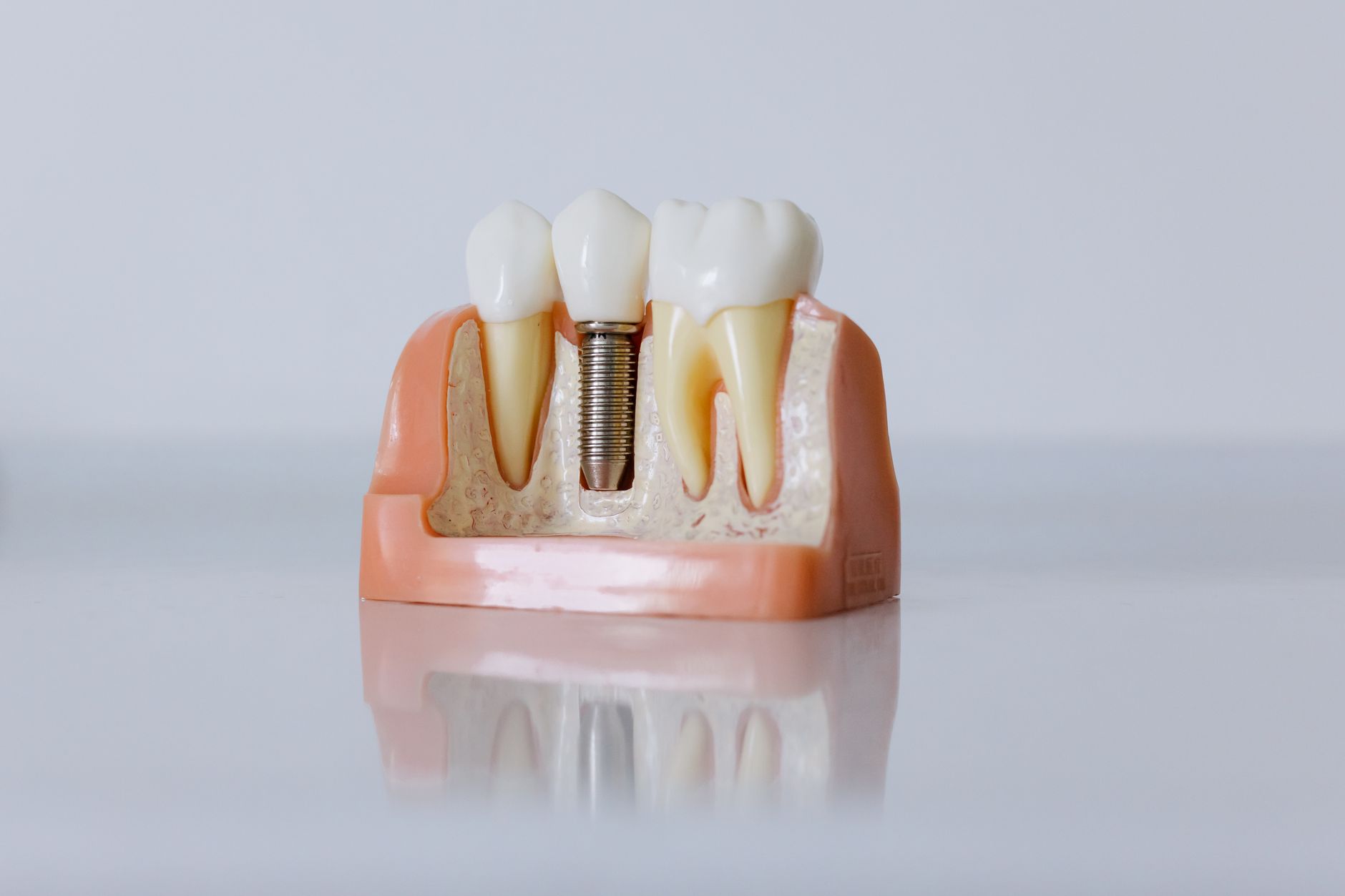
Dental implant treatment involves work below the gumline and within the jawbone, so controlling discomfort is part of the procedure from the start. For patients replacing missing teeth with implants, the right form of anesthesia depends on the extent of treatment, the patient’s anxiety level, medical history, and how long the appointment is expected to last. For many people receiving dental implant services, local anesthesia is enough, while others feel more comfortable with sedation added to the treatment plan.
Knowing what each option actually feels like makes the conversation with the dental team much easier and gives patients a clearer idea of what to expect before treatment begins.
Local Anesthesia: Numbing the Treatment Area
Local anesthesia is the standard choice for many straightforward implant procedures. Medication is injected near the treatment site to block pain signals while the patient stays fully awake.
After the area becomes numb, the dentist proceeds with the implant placement. Patients often notice pressure, vibration, or movement, but sharp pain should not be part of the experience. The numbness usually remains for a period after the appointment, so eating and drinking require a little extra care until normal sensation returns.
For someone receiving a single implant or undergoing a relatively simple procedure, local anesthesia often gives enough comfort without adding sedation.
Nitrous Oxide: Taking the Edge Off Anxiety
Some patients feel physically comfortable once the mouth is numb but still struggle with nervousness. Nitrous oxide, inhaled through a small mask placed over the nose, is often used for this type of dental anxiety.
The patient remains awake and responsive while feeling calmer and less focused on the procedure. One practical advantage is its short recovery period. The gas is stopped at the end of treatment, oxygen is administered, and its effects wear off relatively quickly.
This option often suits patients who dislike dental procedures but do not want deeper sedation.
Oral Sedation: A More Relaxed Appointment
Oral sedation involves taking prescribed medication before treatment. The patient remains conscious, though drowsiness is common, and the appointment often feels shorter than it actually is.
The level of sedation depends on the medication and dose. Some people remember most of the procedure, while others remember only parts of it. Because alertness remains reduced after the appointment, patients generally need someone to drive them home and stay with them during the early recovery period.
Oral sedation is often discussed for longer implant appointments or for patients whose dental anxiety makes it difficult to remain relaxed in the chair.
IV Sedation: Deeper Relaxation With Close Monitoring
Intravenous sedation delivers medication directly into a vein. Its effects begin quickly, and the level of sedation is adjusted during treatment.
Patients are usually deeply relaxed and often have little memory of the procedure afterward. They still breathe on their own, while the clinical team monitors breathing, blood pressure, heart rate, and oxygen levels throughout the appointment.
IV sedation is frequently considered for more involved implant treatment, multiple implants, bone grafting, or significant dental anxiety. Recovery takes longer than it does with local anesthesia alone, so transportation and post-treatment supervision need to be arranged in advance.
General Anesthesia: Reserved for More Complex Situations
General anesthesia places the patient fully unconscious during treatment. It is used far less often for routine implant placement and is generally reserved for extensive procedures or particular medical and surgical circumstances.
Because the patient is unconscious, breathing and vital signs require close medical monitoring. Recovery is also more involved than with lighter forms of sedation.
The decision to use general anesthesia depends on the scope of surgery, health history, and the clinical setting in which the treatment takes place.
Comfort Is About More Than Medication
Anesthesia handles pain, while the rest of the appointment shapes how comfortable the experience feels for patients replacing missing teeth with implants. Clear explanations before treatment often reduce uncertainty. Knowing how long the appointment should take, what sensations are normal, and what happens immediately afterward gives patients a clearer picture of the process.
Positioning also matters during longer procedures. Short breaks, neck support, and simple communication signals between the patient and dental team make an extended appointment easier to tolerate.
Fun fact: Local anesthesia blocks nerve signals without putting the brain to sleep. That is why a patient stays completely awake during an implant procedure while the treated area feels numb.
Choosing the Right Level of Anesthesia
There is no single anesthesia choice that fits every implant appointment. A patient receiving one implant and feeling relaxed about dental treatment has different needs from someone undergoing several procedures during the same visit.
Before treatment, the dentist reviews health history, current medications, previous reactions to anesthesia, anxiety level, and the planned surgical work. That discussion determines which option fits the procedure and the person sitting in the chair.
For patients, the most useful step is simply to be specific about past dental experiences and any worries about pain, needles, loss of control, or lengthy appointments. Those details give the dental team something concrete to work with and make the anesthesia plan far more personal than choosing a level of sedation from a menu.