
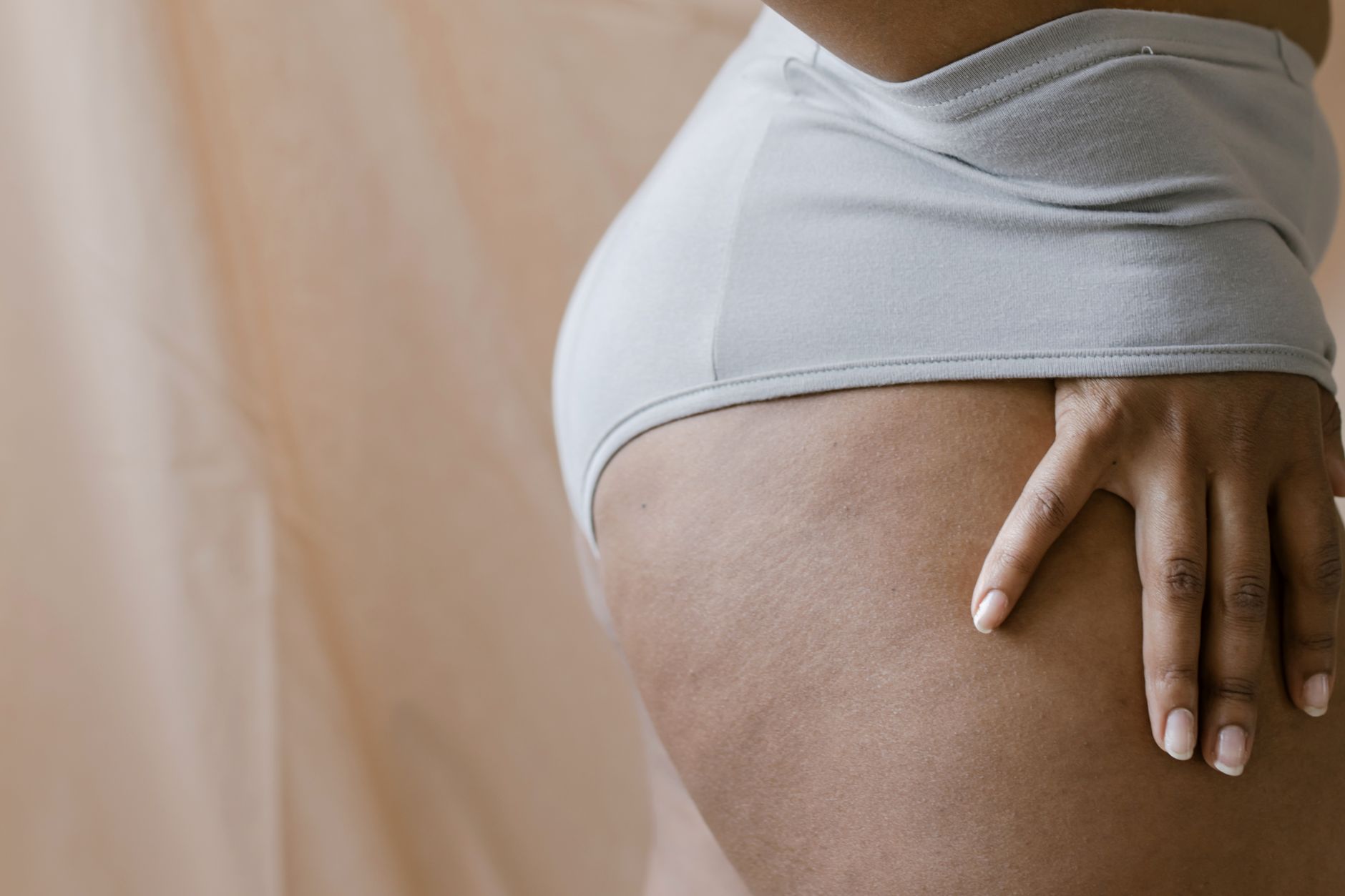
Comfortable underwear is not about luck or brand hype. It comes down to two things: how the garment is cut and what it is made from.
Fabric decides what happens to sweat
Cotton is familiar and soft at first touch. It absorbs sweat fast but releases it slowly, so moisture stays pressed against the skin on warm days or during a long commute. You feel clammy by mid-afternoon and can't quite place why.
Modal and lyocell can feel smooth against the skin, while their moisture-control properties may help the wearer feel dry. Bamboo viscose is also often chosen for its soft feel. However, the finished fabric matters as much as the fiber name, so compare the weight and knit rather than relying on the label alone.
Merino wool may sound unusual for underwear, but its ability to absorb and release moisture vapor can help maintain a more comfortable next-to-skin environment as conditions change. A small amount of spandex or elastane can add stretch and recovery, helping the garment move with the body and retain its shape.
Moisture-wicking describes how a fabric moves liquid away from the skin so that it can spread and evaporate. Its practical value depends on the whole garment, including fabric construction and fit.
Fit decides how much heat builds up
Tight cuts hold fabric close to the skin and leave less room for air to circulate. They can feel supportive, but an overly close fit may become hot or create friction during a full day at a desk or on foot. If the thighs rub or the elastic digs in, the size or cut is probably wrong.
A looser cut breaks that cycle. Air can move in and out, and skin stays drier because there is less contact and less rubbing. Rise plays a part too. Low rise sits below the natural waist and can slip when you bend or sit. High rise stays put but can feel restrictive if the elastic is firm.
Leg length changes the feel just as much. Short legs leave the thigh free but let skin rub against skin. Longer legs put a thin layer between the thighs, which many people who walk a lot during the day prefer. Others who sit most of the time want less fabric and more airflow. There is no single answer, but traditional boxers with a relaxed fit show why the classic shape has stuck around, since the open leg and roomy seat let air circulate and let the body move freely through the day.
That's the trade-off to keep in mind.
Small details cause big irritation
We tend to blame fabric when underwear feels wrong. More often the problem is the waistband or the seams.
A narrow or stiff waistband rolls and twists as you move. Once it folds, it creates a line of pressure that gets sore by evening. A wider band made from soft knit spreads that pressure out. It should sit flat and stay flat, and you shouldn't need to adjust it after every stair climb.
Seams matter in the same way. Standard overlocked seams have a raised ridge that can rub at the inner leg or under the pouch where skin is thin. Flatlock seams sit flush with the fabric, and there is almost nothing to catch or rub. If you have ever tossed an otherwise good pair because one seam chafed, you know how much construction matters.
Check the inside before you buy. Run a finger along the waistband edge and the leg seams.
Match the pair to the day you have
No one cut works for every activity. We all rotate shoes and jackets without thinking twice, and underwear deserves the same logic.
For ordinary office days and weekends at home, go for breathability and ease. A relaxed shape in a soft cotton-modal blend can balance a familiar feel with less restriction. You don't need compression to sit and run errands through town. You need fabric that breathes and a cut that doesn't bind.
Warm weather calls for less contact and faster drying. This is where loose boxers earn their keep. A loose cut can encourage airflow, while a lightweight fabric limits bulk. Modal or bamboo viscose may feel soft, but the garment's weight and weave will also influence how it handles a hot day. Choose a rise that stays in place when shorts sit lower on the hips, and a waistband you forget about by 9 a.m.
Active days are different. Running or lifting creates repeated motion and heavy sweat, so a closer fit makes sense here. Look for a synthetic blend with spandex for stretch and recovery. Shorter legs or a trunk shape reduce bunching under workout shorts. Change into a dry pair soon after you finish, especially after a hot or strenuous session.
Comfort stops feeling complicated once you read the label and think about your day. Pick the fiber that handles sweat the way you need, and the cut that gives skin room to breathe or support where it counts.
1 thought on “How Underwear Fit and Fabric Shape Everyday Comfort”