
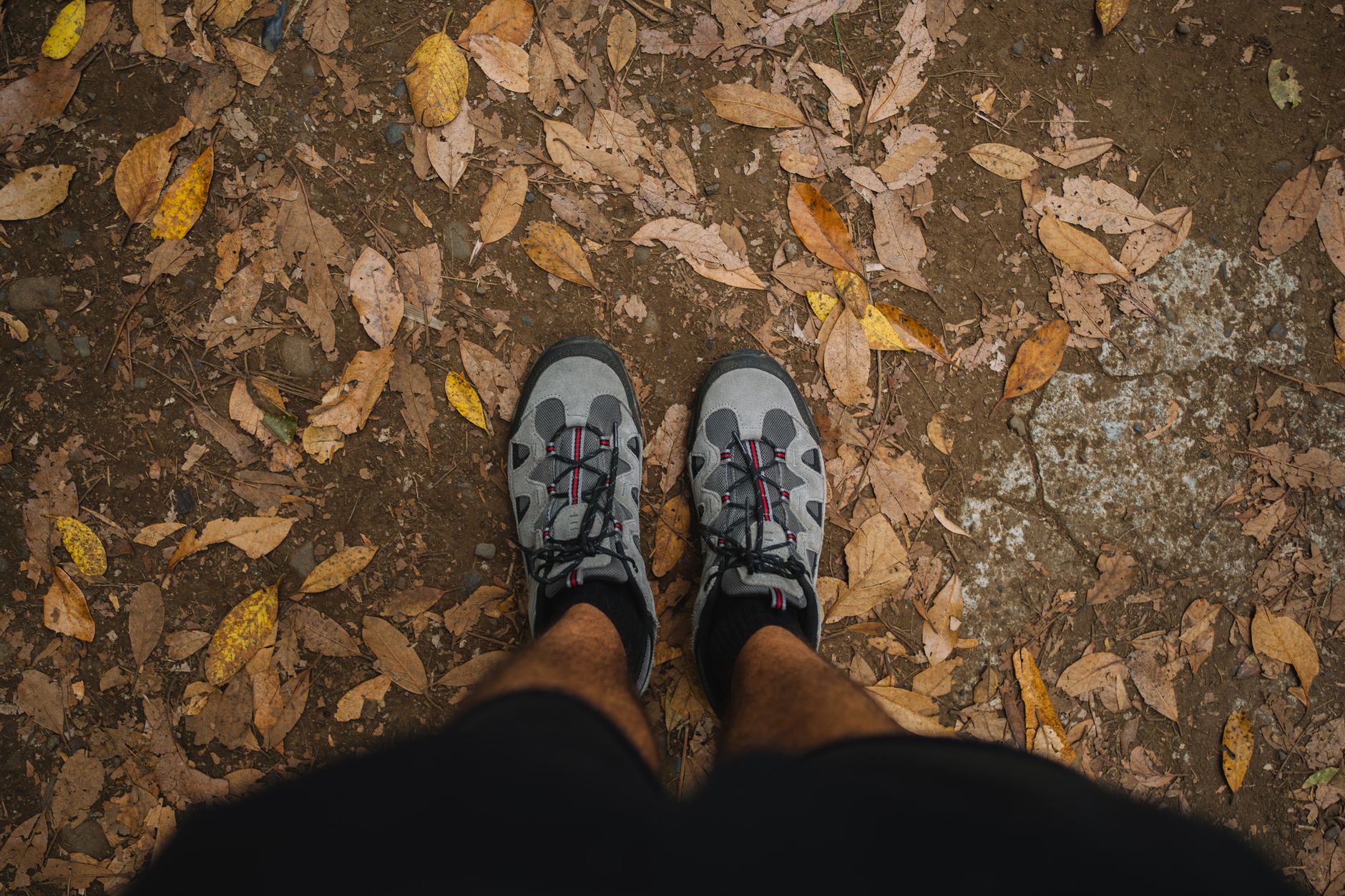
I used to joke that my happy hour started the moment I closed my laptop. Cracking a beer was muscle memory. The punctuation mark at the end of a workday. It wasn't dramatic. It wasn't a problem anyone would stage an intervention over. It was just the thing I did. Then I moved to a place with a trailhead three blocks from my front door.
I didn't set out to drink less. I just started walking more. And somewhere between the creek crossings and the ridgeline views, the 5 p.m. beer stopped feeling automatic. It started feeling optional. That shift fascinated me. So I dug into it. Turns out, the trail-to-table pipeline isn't just my personal quirk; there's real science behind why nature makes happy hour feel less urgent.
Table of Contents
Why Happy Hour Feels Less Urgent When You're Outside
Stress is the quiet engine behind a lot of habitual drinking. Bad day? Pour one. Brain won't shut up? Nightcap. Rinse, repeat. Nature short-circuits that pattern at the source. Studies show that just 20 minutes in a green space drops cortisol. your body's main stress hormone in measurable amounts. Forest bathing isn't just a trendy wellness term the Japanese came up with; it's a verified physiological reset. Heart rate slows. Blood pressure dips. The part of your brain that's been running anxious laps around the same three worries finally gets to sit down.
When you've already gotten your stress relief from a walk in the woods, that first drink isn't doing the heavy lifting it used to. You're not reaching for it to calm down; you're already calm. The craving loses its job description.
The Activities That Make You Forget About Drinking
Here's the part nobody tells you: the most effective outdoor activities for breaking a drinking routine aren't the extreme ones. You don't need to summit a 14er or take up whitewater kayaking. The stuff that works best is almost boringly simple.
Walking on uneven terrain. Your brain has to pay attention to where your feet are going; it's called "soft fascination," and it leaves zero bandwidth for ruminating about whether you should have a second drink. Mountain biking does the same thing at a higher speed. Even gardening, pulling weeds, digging holes, hauling mulch, engages your body fully enough that the mental chatter shuts off.
The common thread? These activities demand just enough attention that you can't scroll your phone or obsess about work. They pull you into the present. And when you're actually present, the pull toward numbing out gets a lot quieter.
Climbing, trail running, kayaking, birdwatching, pick your poison, as long as it's the kind that gets dirt on your shoes and leaves you pleasantly tired. The tiredness matters. It gives you something a drink used to provide: a physical signal that the day is done.
—
Building an Outdoor Habit That Actually Sticks
I know what you're thinking. "Sounds great, but I have a job. And kids. And approximately 17 minutes of free time per day."
Fair. But the thing about outdoor habits is that they don't need to be epic to work. A 15-minute walk around the block after dinner counts. A lunch break spent sitting on a park bench instead of doom-scrolling at your desk counts. The bar is on the floor here, and that's by design.
The trick is attaching the new habit to something you already do. End of workday? That's the trigger. Instead of fridge → couch, make it shoes → door. You don't need a destination. You just need to start walking before the autopilot kicks in.
Weekends are where you go on bigger, longer hikes, bike rides, that climbing gym you've been meaning to check out. But weekday consistency beats weekend heroics every time. Five 20-minute walks will rewire your patterns faster than one epic Saturday adventure followed by six days of nothing.
—
A Little Help Goes a Long Way
I'm not going to pretend that a walk in the park solves everything. If your relationship with alcohol is more than just a bad habit, if it's something you've tried to change before and couldn't, you already know the "just get outside" advice has limits.
That's where tools like Sunnyside come in. It's an app that takes a completely different approach from "quit forever, or you've failed." Instead, it helps you track your drinking, set realistic weekly targets, and gradually cut back without the all-or-nothing pressure that makes most people give up.
The numbers are worth paying attention to: Sunnyside members reduce their drinking by an average of 33%. For people who combine the app with medical support specifically, a medication called naltrexone that reduces alcohol cravings that number jumps to around 50%.
Pair that with an outdoor routine, and you've got a two-punch combination: nature handling the stress side of the equation, and Sunnyside giving you the structure and accountability to actually follow through month after month.
What Happens After 30 Days Outside
Here's what I noticed after a month of prioritizing outdoor time over screen-and-drink time:
Sleep got better first. Then mornings got easier. Then, and this was the surprising one, I started craving the walk more than the drink. The 5 p.m. beer became a weekend thing instead of an every-evening thing, not because I was fighting it, but because I was genuinely looking forward to being outside more.
The research backs this up. Regular outdoor activity increases dopamine sensitivity, meaning everyday pleasures (a good view, a cold breeze, the sound of a creek) start hitting harder. You need less artificial stimulation to feel good. Your baseline resets.
Does everyone need to quit drinking entirely to benefit? No. That's not the argument here. The argument is simpler: if your evening routine has become "drink something" by default, try replacing a few of those evenings with "go somewhere." Anywhere with trees, water, dirt, and sky. See what happens.
You might find, like I did, that the woods are a better happy hour than any bar ever was.
Conclusion
The trailhead is still three blocks from my door. Some evenings I walk it. Some evenings I don't. The difference is that now it's actually a choice, not muscle memory, not autopilot, not the only way I know how to close out a day. That's really all this is about. Not perfection. Just presence. Not quitting everything. Just remembering that the world outside is still there, waiting, with better views and zero hangovers.