
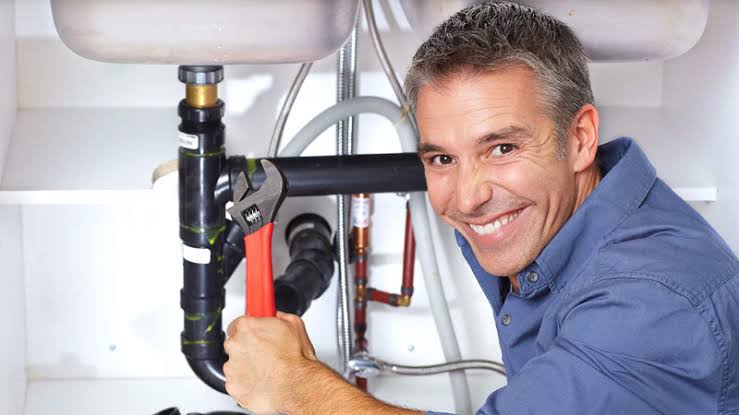
Two of the three most common plumbing failures I’ve seen in homes happen in the same six week window: late winter. Supply lines that sat under pressure through a cold snap, and water heaters that pushed through their heaviest months of demand all give out right around the thaw. If you live anywhere with a real winter, February is the month when your plumbing quietly catches up with you.
The fix isn’t complicated. You give your system one honest once-over while the weather is still cold and the season hasn’t fully turned. When you’re ready to hand off the parts you shouldn’t touch yourself, professional plumbing services cover the supply lines, shutoff valves, and water heater work that a weekend checklist can only flag. Everything else below is yours, and none of it requires a truck full of tools.
Here’s the whole point: your spring won’t be ruined by a surprise slab leak if you spend an hour in February catching it early. So let’s go through the seven tasks, roughly in the order I’d do them in my own house.
Table of Contents
Why February, of all months
By February, your pipes have survived months of thermal expansion and contraction. Water heaters have run their hardest. Outdoor hose bibs and any under-sink lines near an exterior wall have been under real stress. Most of that damage stays invisible until it gets expensive.
Cold water and slow leaks don’t announce themselves. You get a slight dip in pressure, a faint discoloration, a shutoff valve that turns a little too easily. February is when you catch those small signals, before the home inspection in March or the first warm weekend when you finally turn the sprinklers back on.
I’d pick late February over late spring every time, because you still have leverage. A plumber can fix a cracked valve on a Tuesday in February without three other emergencies ahead of you.
Run the fixture test
Turn on every faucet in the house, one at a time, and watch how the water behaves. You’re looking for three things: pressure that seems weaker than last year, water that never runs fully clear, and drains that gurgle or slow down after a few seconds.
A single slow drain is usually a local clog. Multiple slow drains across the house point to something deeper in the main line, and that’s a job to flag rather than ignore. While you’re at it, check the water quality coming out of your cold taps. If it’s cloudy or leaves a tint, the guidance from the Environmental Protection Agency on drinking water safety is worth a read before you assume it’s harmless.
Inspect the shutoff valves you never touch
Every toilet, sink, and outdoor spigot has a shutoff valve. Most homeowners haven’t turned one in years. That’s the problem, because a valve that won’t close is useless in an emergency.
Find each one, turn it fully off, then back on. You should feel firm resistance, not sloppy looseness or a valve that sticks halfway. If any of them refuse to move or drip after you turn them back on, write them down. Replacing a worn angle stop is inexpensive compared to a burst line you couldn’t shut off
This is the single most valuable task on this list, and almost nobody does it. I’d rank it above the water heater check.
The water heater check
Your water heater has been working harder than anything else in the house since December. Take a real look at it. Look for moisture around the base, rust streaks on the tank, and any change in how long hot water lasts.
If your heater is a traditional tank model, drain a few gallons from the bottom to clear sediment. The Department of Energy notes that sediment reduces efficiency and drives up energy costs, which is why manufacturers recommend periodic flushing. If you’ve never done it and the valve looks seized, that’s a reasonable job to hand off rather than force.
One more habit worth building: write the install date on the tank with a marker. A tank heater has a limited service life, and knowing its age changes how you think about every wobble and noise.
Check under sinks and around the washing machine
Run your hand along the bottom of the cabinet under each sink. You’re looking for softness in the wood, a dark ring, or a faint musty smell. Any of those means a slow drip has been at work, and it’s been at work for a while.
Pull the washing machine out if you can. Look at the hoses feeding it, the braided steel kind especially, because they age quietly and burst without warning. Check for bulges, cracks, or fittings that look corroded. This is a ten dollar part that prevents a thousand dollar floor replacement.
While you’re crouched there, look for the small puddle marks that never seem to fully dry. Those tell you more than any noise.
Clear the drain that always clogs
Every house has one. Usually it’s the shower or the kitchen sink. February is the time to deal with it calmly, before guests, warmer weather, and heavier water use arrive.
Skip the harsh chemical drain cleaners. A plunger, a drain snake, and a few minutes of patience handle most kitchen and shower clogs. If a drain keeps returning to slow after you clear it, that’s a sign of buildup deeper in the line that a pro should look at rather than something you keep chasing with chemicals.
Put a reminder on your phone for these few checks now. Your plumbing doesn’t care about the calendar, but a happy system that keeps working through the transition is one that got some attention in February.
Your two hour February checklist
If you don’t want to keep all of that in your head, here’s the short version. Work through it on a Saturday morning and you’re done before lunch.
- Test every faucet for pressure and clarity, and listen for gurgling drains.
- Turn each shutoff valve fully off and back on, then note any that stick or drip.
- Inspect the water heater for rust, moisture, and sediment, and label its install date.
- Feel under each sink for soft wood or musty smell, and check the washer hoses.
- Clear your one chronic slow drain, and flag it if it returns.
- Check outdoor spigots for frost damage before you reconnect a hose.
The tasks you can’t safely handle, like a seized main valve or a water heater that’s clearly near the end, deserve a call, not a wrench experiment. Leave those to the people who do it daily.
What to do if the checklist turns up trouble
Try not to panic, and try not to patch over a real problem with tape and hope. Decide based on severity. A dripping valve is a routine fix. A tank with rust streaks or moisture at the base means it’s time to plan a replacement rather than wait for it to fail mid-shower.
A stubborn smell or a drain that won’t stay clear is usually a sign of something further downstream, and that’s exactly what the professionals you’ve already made contact with expect to find. The earlier you catch it in February, the less it costs in March.
Spring will test your plumbing whether you like it or not. A single focused hour in February is the cheapest protection you’ll ever buy. Open the cabinet doors this weekend and look. What did you find?