
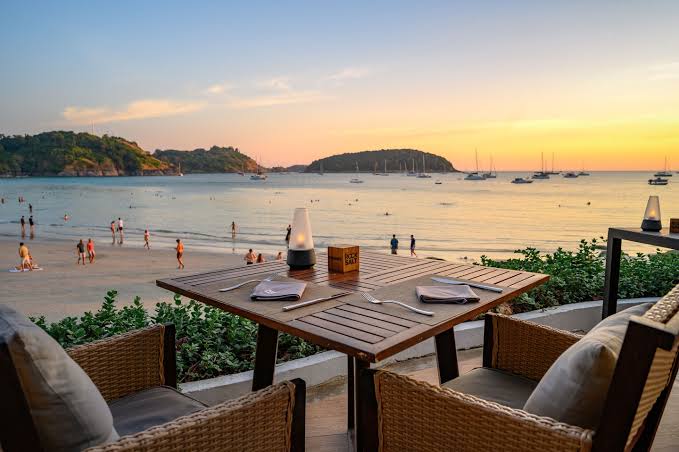
Phuket has long been celebrated for its pristine white sands and crystal-clear waters. However, as we move through 2026, the island is writing a vibrant new chapter in its tourism playbook. Driven by high-spending international visitors from long-haul markets like the UK and Germany, Phuket is rapidly transforming from a traditional beach holiday spot into a sophisticated epicurean hub. Local tourism revenue is projected to reach an impressive 605 billion baht this year. A significant portion of this economic growth is fuelled by affluent travellers who book their upscale holidays well in advance, travelling primarily for extraordinary food experiences.
Table of Contents
A Globally Recognised Culinary Capital
The days when Thailand’s dining scene was defined solely by casual street food are well behind us. The coastal island is now globally recognised for its culinary excellence, having been officially designated as a UNESCO City of Gastronomy, a vibrant sector that remarkably contributes over $3.6 billion to the local economy each year. This official backing is reinforced by the latest industry accolades. The 2026 edition of the Michelin Guide has recognised 60 distinct dining venues across Phuket, including a Michelin Star, 18 Bib Gourmands, and 41 Michelin Selects. This rapid maturation on the global culinary stage has attracted a new wave of international and local chefs who are introducing modern sophistication to the coastal dining landscape.
The Surge of Specialised International Cuisine
One of the most notable shifts in Phuket’s gastronomic landscape is the rapid evolution of its Japanese dining sector. Recent industry analysis reveals a definitive consumer shift towards strict authenticity. Upscale diners now prioritise traditional craftsmanship and genuine flavours over heavily localised or Westernised variations. They want to experience Tokyo-level culinary precision without having to leave the restorative comfort of their tropical resort environment.
For example, visitors searching for the best Japanese restaurant in Phuket will find that leading venues like Junsai Yakitori and Teppanyaki are setting entirely new regional standards. Situated within upscale coastal resorts, these modern venues seamlessly blend high-grade imported delicacies, such as authentic Kagoshima A5 Wagyu, with hyper-fresh local ingredients like Andaman lobster. This clever fusion of premium imports and exceptional local seafood provides a dining experience that easily rivals top-tier establishments in major global capitals.
Redefining High-End Travel in Thailand
The Tourism Authority of Thailand has recently pivoted its focus towards high-value, meaningful travel experiences under its updated “Healing is the New Luxury” strategy. This targeted approach directly appeals to worldly professionals seeking more than just sunshine from their annual leave. As we see a broader shift towards secluded luxury travel for combating executive burnout, elite visitors are also looking for world-class gastronomic experiences to match their premium accommodations.
Consequently, luxury resorts in Phuket are moving entirely away from generic, all-day dining buffets. Hospitality leaders are instead developing bespoke, specialised culinary venues to cater to highly discerning guests. Whether it is an exclusive private omakase room or an upscale coastal izakaya, the operational focus is now firmly set on precision, atmosphere, and unrivalled quality.
What Elite Diners Expect in 2026
The 2025 and 2026 high seasons have officially broken five-year records for visitor spending, proving that tourists are more willing than ever to invest heavily in memorable meals. To capture this affluent, highly educated market, Phuket’s top restaurateurs are focusing on several key pillars:
- Uncompromising Authenticity: Menus are being stripped of outdated fusion gimmicks in favour of historically accurate cooking techniques, particularly within high-end Asian dining.
- Premium Sourcing: There is an increased expectation for rare, imported ingredients to be paired seamlessly with sustainable, locally caught coastal seafood.
- Immersive Dining Environments: The architectural design of restaurants now plays an equal role to the food itself, offering intimate, beautifully crafted spaces that deeply reflect the specific heritage of the cuisine.
- Bespoke Chef Interactions: High-end travellers increasingly demand personalised culinary journeys, looking for interactive teppanyaki counters and intimate, chef-led tasting menus.
Phuket is successfully proving that a holiday destination can offer both spectacular natural beauty and a complex, cosmopolitan food scene. By actively embracing international culinary standards and fostering a wonderfully diverse range of premium dining venues, the island has firmly secured its place as a premier destination for global fine dining. For the worldly traveller planning a luxury trip to Thailand, the daily itinerary is no longer just about which beaches to visit, but rather which exclusive tables to book.